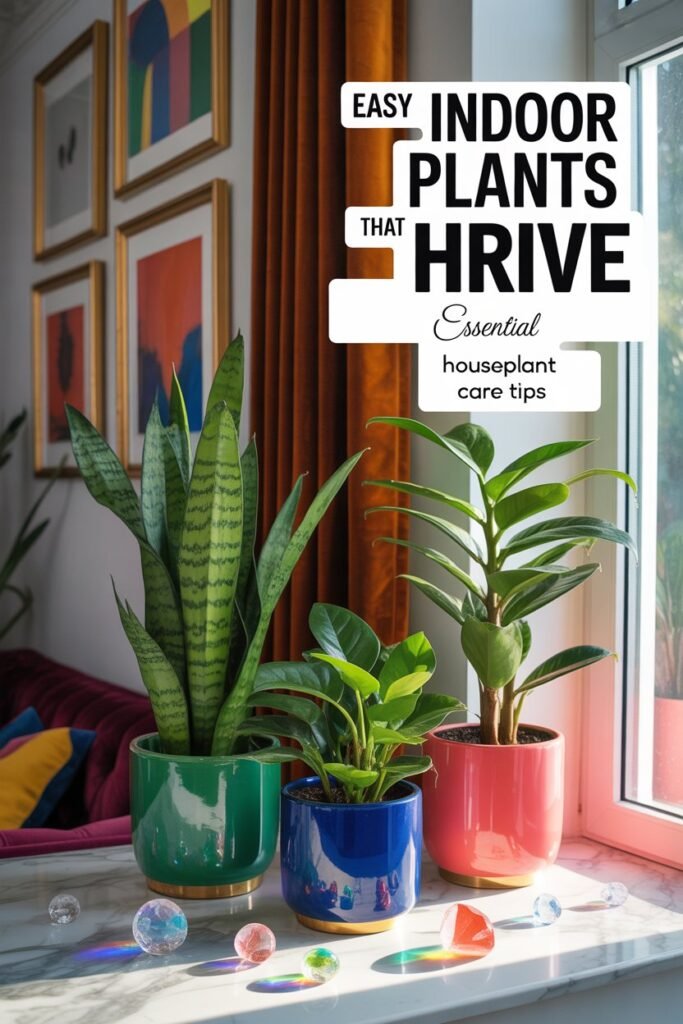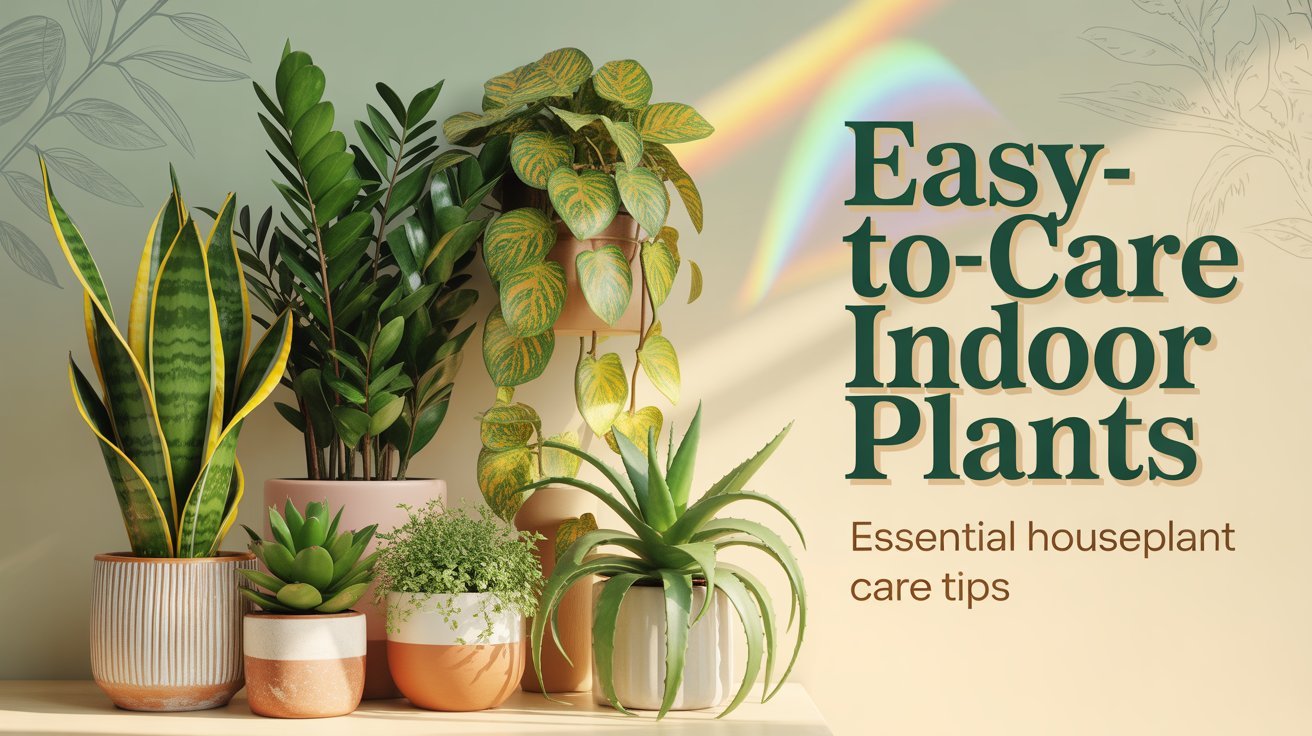
Indoor plants don’t have to be complicated or time-consuming to be beautiful. Many people believe that keeping plants alive requires constant attention, but the truth is that several indoor plants thrive with very little effort. Whether you’re a beginner, a busy professional, or someone who forgets to water occasionally, choosing the right plants makes all the difference. With the right Essential Houseplant Care Tips, you can enjoy lush greenery without stress or frustration.
Easy-to-Care Indoor Plants | Essential Houseplant Care Tips for Busy People
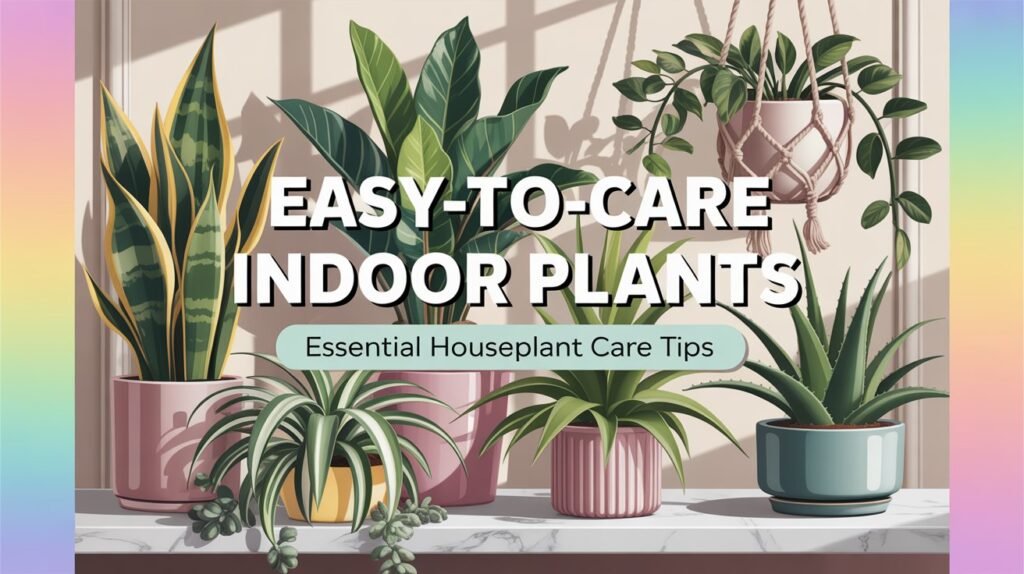
Easy-to-care indoor plants are naturally resilient and adapt well to different indoor environments. They tolerate low light, irregular watering, and varying humidity levels, making them perfect for apartments, offices, and small homes. By understanding a few basics—such as light placement, watering habits, and soil drainage—you can create a thriving indoor garden that enhances your space. These Essential Houseplant Care Tips help reduce plant failure and boost confidence, especially for new plant parents.
In this guide, you’ll discover low-maintenance indoor plants that grow well with minimal effort while still looking stylish and fresh year-round. From air-purifying favorites to trendy foliage plants, each option supports a healthier home and a calming atmosphere. Applying these Essential Houseplant Care Tips will help you save time, avoid common mistakes, and enjoy indoor plants that practically take care of themselves.
1: Choose Plants That Naturally Need Less Care
One of the smartest ways to succeed with indoor plants is to start with varieties that are naturally low-maintenance. Plants like snake plants, pothos, ZZ plants, and spider plants are known for their ability to survive with minimal watering and adaptable light conditions. These plants forgive missed watering schedules and still grow beautifully, making them ideal for busy lifestyles. Following Essential Houseplant Care Tips begins with selecting plants that match your routine—not the other way around.
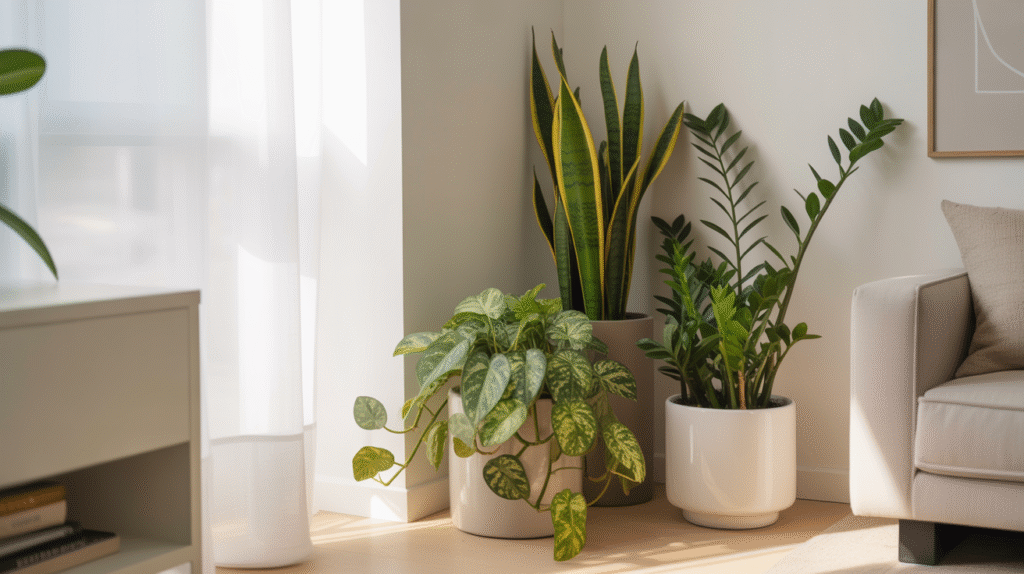
Low-effort plants often store water in their leaves or roots, allowing them to tolerate dry periods without stress. They also adjust well to indirect light, meaning you don’t need perfectly sunny windows. By choosing resilient plants from the start, you reduce common problems like root rot and yellowing leaves. These Essential Houseplant Care Tips help beginners build confidence while maintaining healthy, attractive indoor greener.
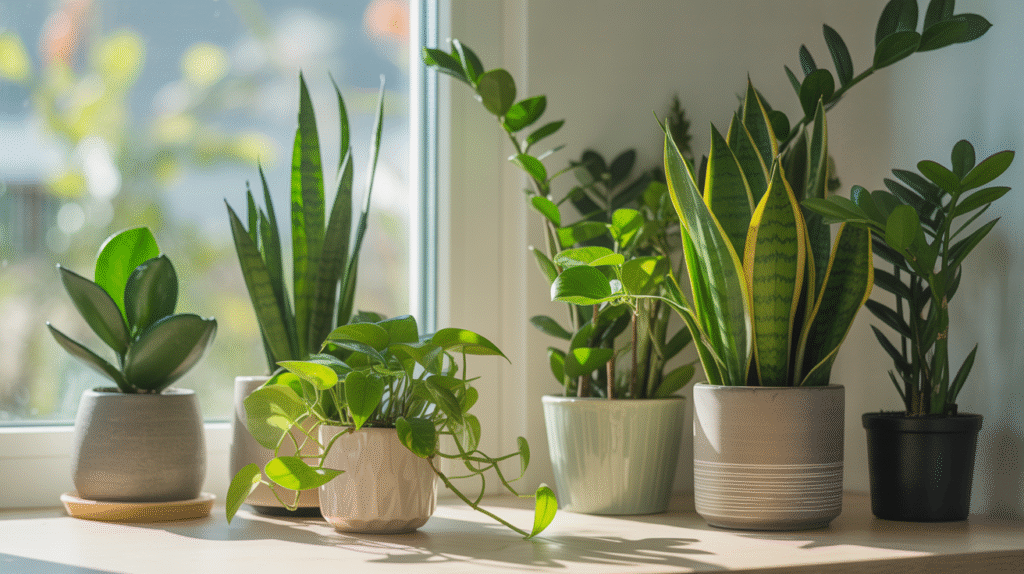
Think of indoor gardening as a lifestyle choice. If you travel often or forget watering days, opt for drought-tolerant plants. When your plants fit naturally into your schedule, indoor gardening becomes enjoyable rather than stressful—one of the most practical Essential Houseplant Care Tips for long-term success.
2: Water Less—but Water the Right Way
Overwatering is one of the most common mistakes plant owners make. Many easy-care indoor plants prefer their soil to dry out between waterings, especially those with thick leaves or sturdy roots. Instead of following a strict schedule, check the soil moisture by touching the top inch—if it feels dry, it’s time to water. These Essential Houseplant Care Tips help prevent root rot and keep plants healthy with minimal effort.
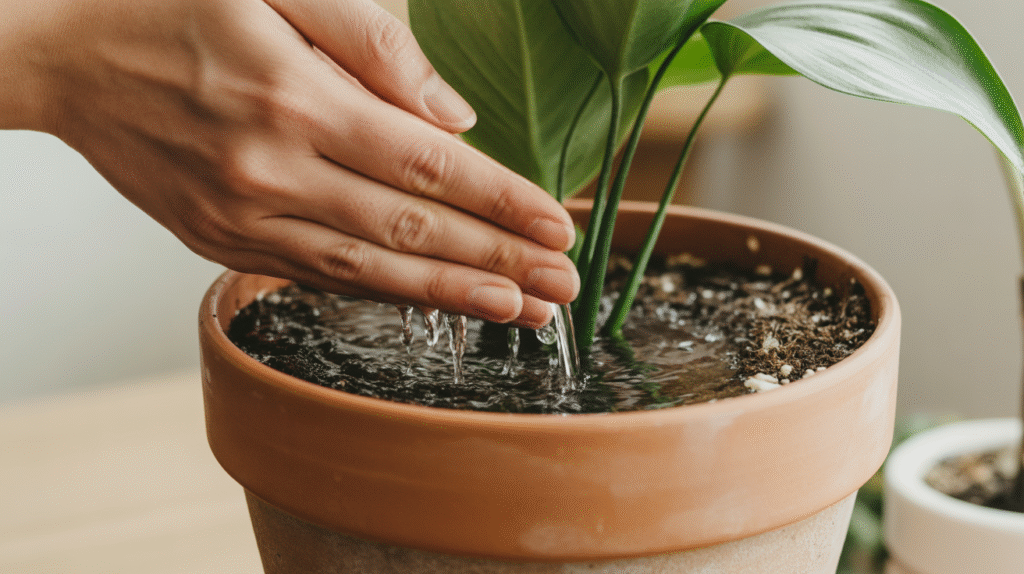
Watering correctly also means allowing excess water to drain completely. Plants sitting in soggy soil struggle to absorb oxygen, leading to weak growth and yellow leaves. Always use pots with drainage holes and empty saucers after watering. By mastering this simple habit, you apply one of the most important Essential Houseplant Care Tips for long-lasting indoor plants.
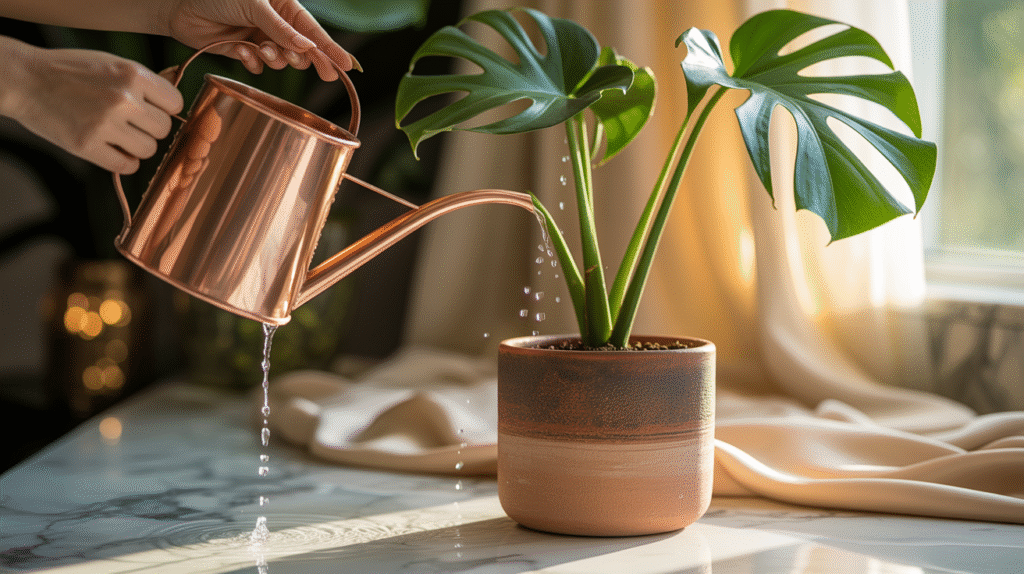
Water thoroughly until it drains from the bottom, then let the soil dry before watering again. This method mimics natural rainfall and strengthens plant roots—making it a powerful and beginner-friendly part of Essential Houseplant Care Tips.
3: Place Plants Where Light Works for Them
Light plays a major role in how well indoor plants grow, but more light isn’t always better. Many low-maintenance plants thrive in bright, indirect light and can even tolerate low-light conditions. Placing plants near windows with filtered sunlight or a few feet away from direct sun helps prevent leaf burn while encouraging steady growth. These Essential Houseplant Care Tips ensure plants receive the right balance of light without constant repositioning.
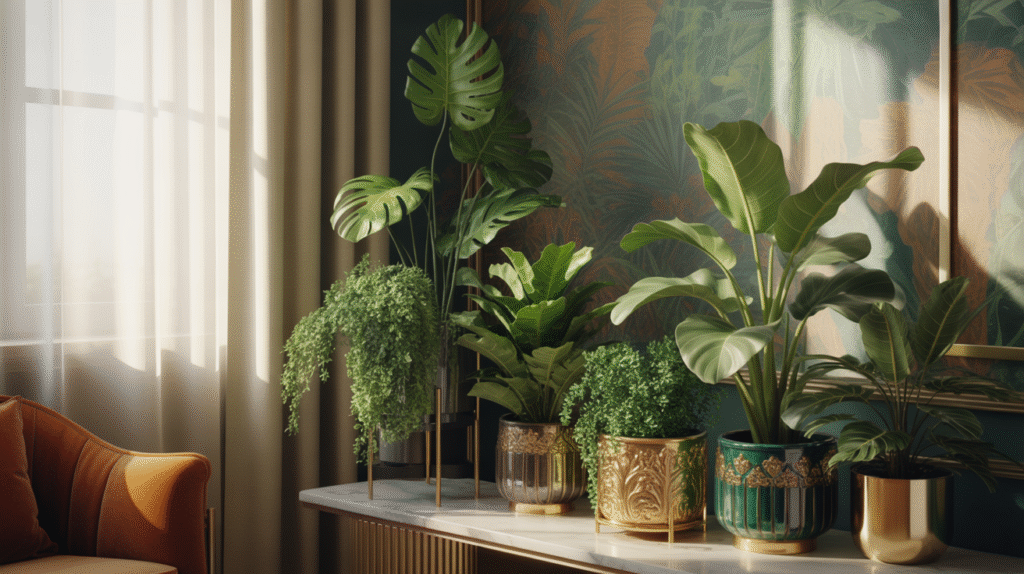
Understanding light direction also matters. East- and north-facing windows usually provide gentler light, making them perfect for easy-care plants. If natural light is limited, rotating plants every few weeks helps maintain even growth. Applying these Essential Houseplant Care Tips reduces stress on plants and keeps their foliage lush and vibrant with very little effort.
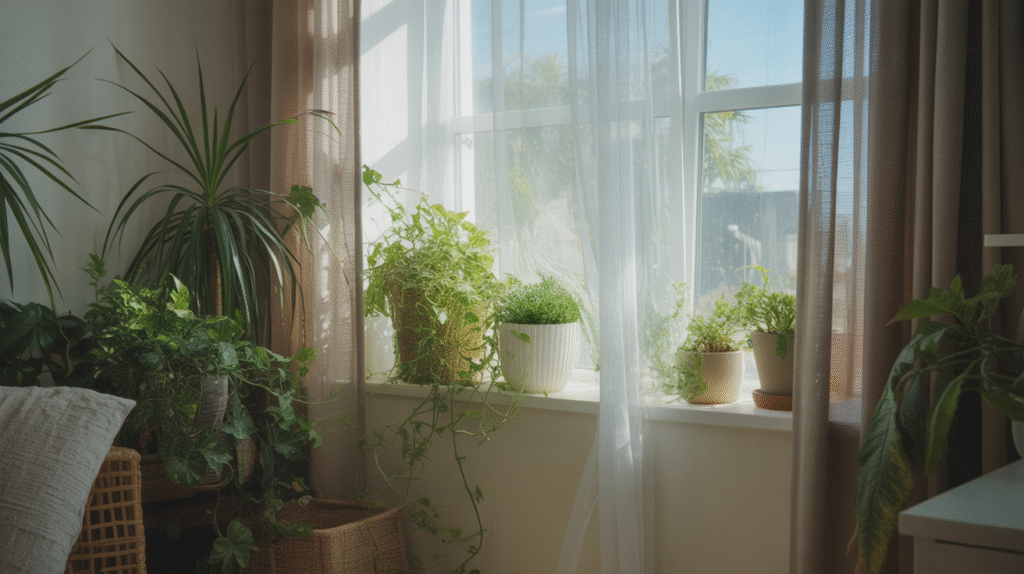
If leaves stretch toward the window, your plant needs more light. If leaves fade or scorch, it’s getting too much. Watching these signs is one of the simplest Essential Houseplant Care Tips for maintaining healthy indoor plants.
4: Use the Right Pot and Well-Draining Soil
Choosing the correct pot and soil combination can dramatically reduce plant care effort. Low-maintenance indoor plants thrive best in containers with drainage holes and lightweight, well-draining soil. This setup allows excess water to escape quickly, preventing soggy roots and common plant problems. These Essential Houseplant Care Tips help create a healthy foundation that supports long-term plant growth.
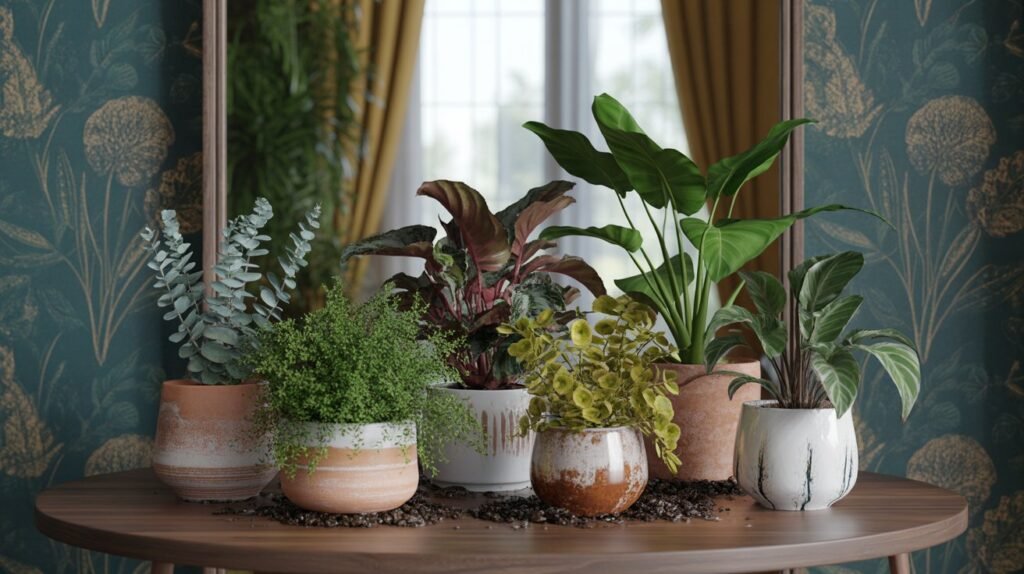
Using breathable materials like terracotta or ceramic pots also helps regulate moisture levels naturally. Pairing them with a quality indoor potting mix improves airflow to the roots and reduces the need for frequent watering. By setting up your plants properly from the start, you follow one of the most effective Essential Houseplant Care Tips for stress-free indoor gardening.
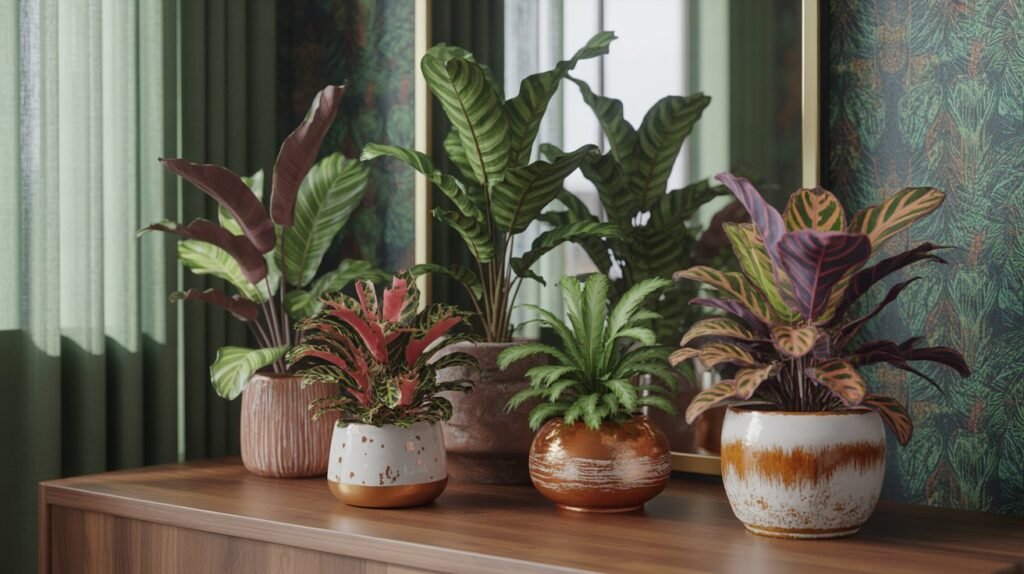
Avoid oversized pots, as extra soil holds too much moisture. A snug-fitting pot encourages healthy roots and faster growth—an often overlooked part of Essential Houseplant Care Tips.
5: Feed Plants Lightly and Only When Needed
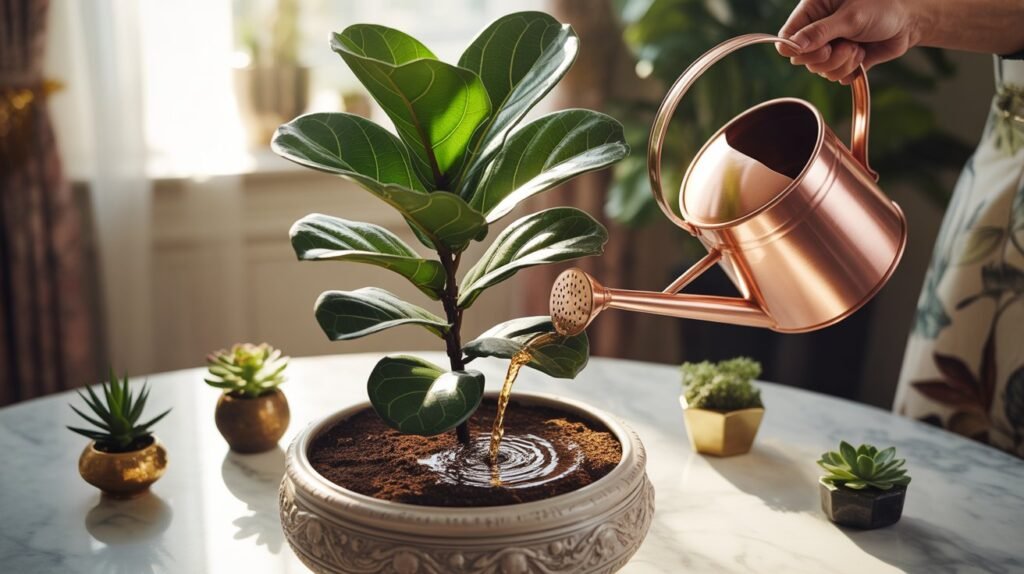
Easy-care indoor plants don’t need frequent fertilizing to stay healthy. In fact, overfeeding can do more harm than good. Most low-maintenance plants benefit from a gentle, balanced fertilizer applied during the growing season only. Using fertilizer sparingly supports steady growth without overwhelming the plant. These Essential Houseplant Care Tips help maintain strong roots and vibrant leaves with minimal effort
.
During fall and winter, plant growth naturally slows, and feeding should be reduced or stopped altogether. Paying attention to seasonal needs prevents nutrient buildup in the soil and keeps plants stress-free. Following these Essential Houseplant Care Tips allows your indoor plants to thrive naturally without constant attention.
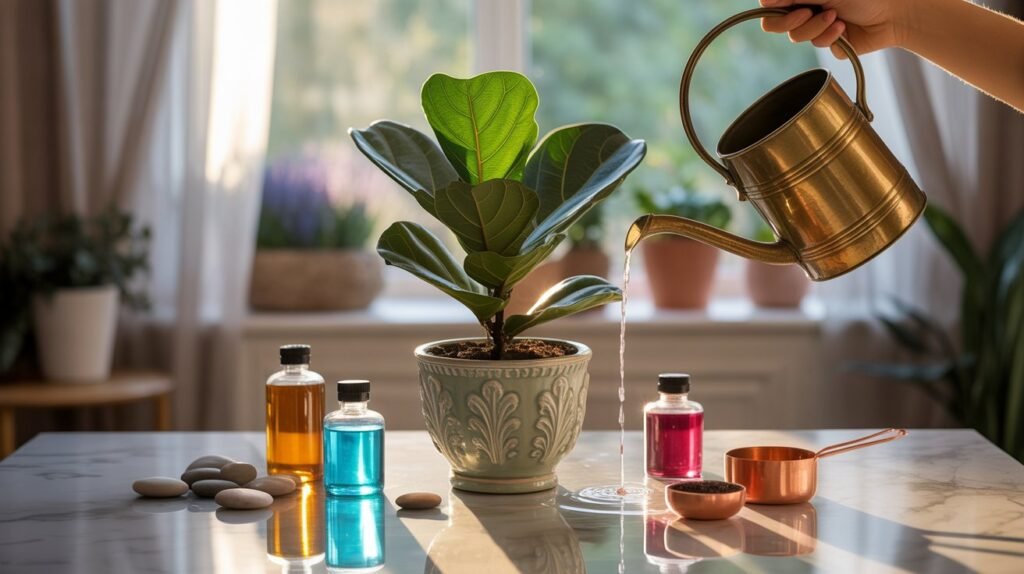
If your plant has healthy leaves and steady growth, it doesn’t need extra feeding. Light, occasional nourishment is one of the simplest Essential Houseplant Care Tips for long-term success.
6: Keep Leaves Clean for Better Health
Dust and debris on leaves can block sunlight and reduce a plant’s ability to photosynthesize efficiently. Regularly wiping leaves with a damp cloth or gently rinsing them under lukewarm water helps your indoor plants absorb light properly and stay vibrant. This simple habit is an easy Essential Houseplant Care Tip that requires minimal effort but has noticeable results.
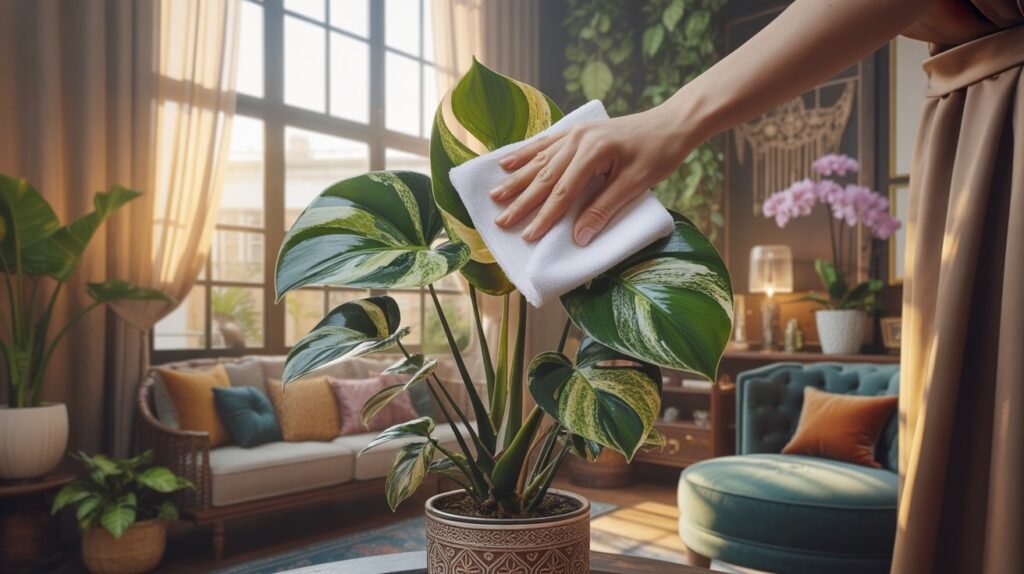
Cleaning leaves also helps prevent pests like spider mites and aphids, which are more likely to appear on dusty foliage. By incorporating this small step into your routine, you maintain healthy, shiny leaves without needing constant attention. It’s a practical way to keep low-maintenance plants looking their best year-round
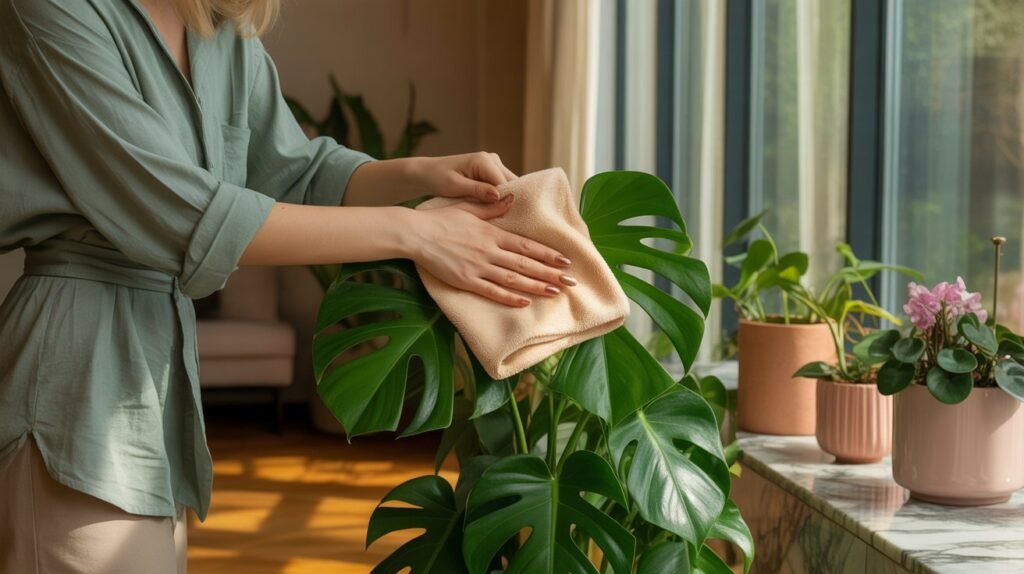
Always handle leaves carefully, especially delicate ones. A light wipe or spray is enough—no harsh scrubbing needed. This small step is a key Essential Houseplant Care Tip for thriving indoor greenery.
7: Rotate Plants for Even Growth
Indoor plants naturally grow toward light sources, which can cause uneven growth over time. Rotating your plants every few weeks ensures all sides receive adequate light, promoting balanced development. This simple routine is a practical Essential Houseplant Care Tip that helps your plants maintain a full, attractive shape without requiring extra effort.
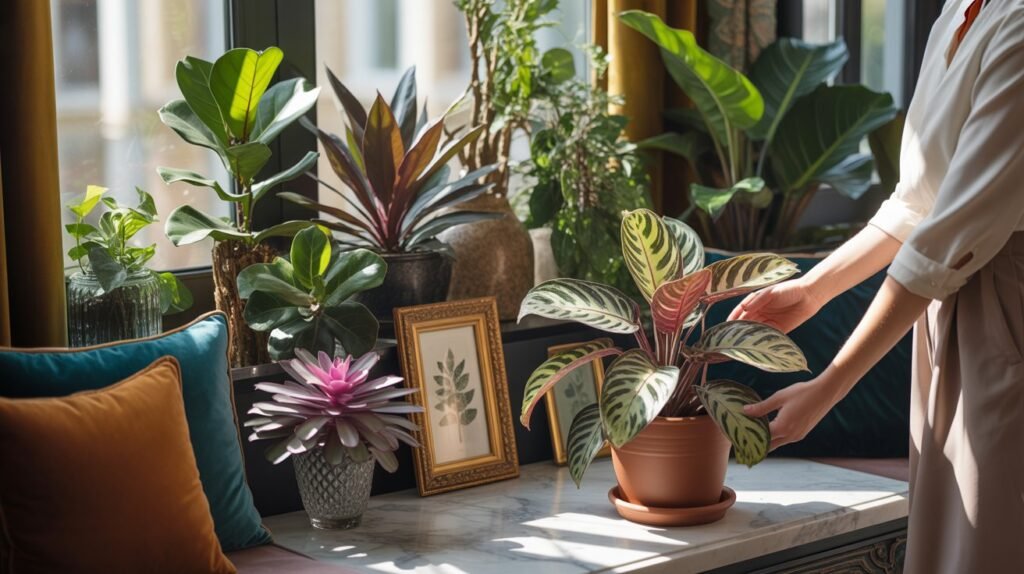
Even slow-growing or low-maintenance plants benefit from rotation. It prevents one-sided leaning, encourages stronger stems, and keeps foliage lush and healthy. Busy individuals can incorporate this habit easily—it only takes a minute per plant and significantly improves overall plant appearance and vitality.
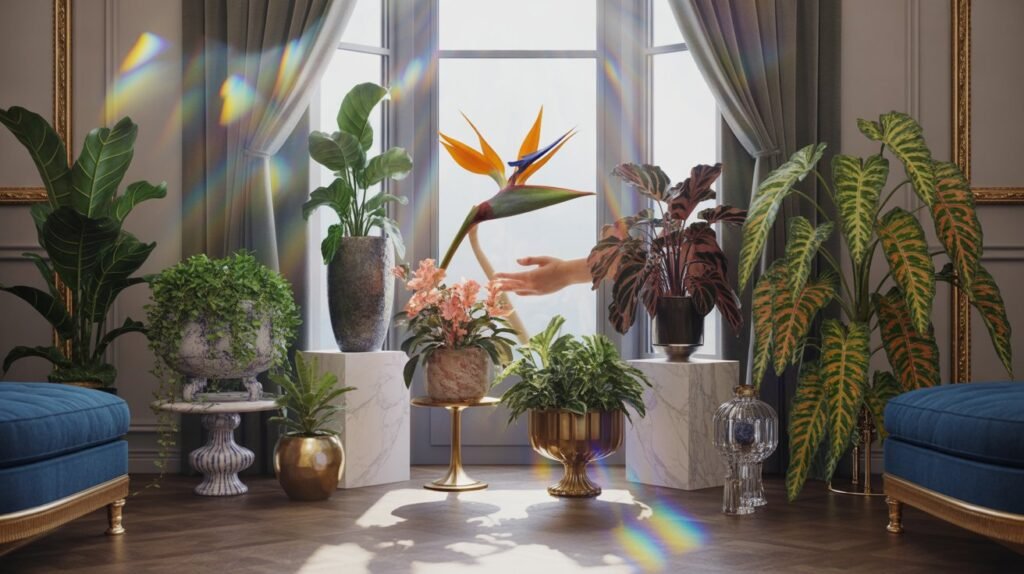
Turn plants 90 degrees every two to three weeks for even exposure. This easy trick is one of the most effective Essential Houseplant Care Tips to keep indoor plants thriving with minimal attention.
8: Group Plants Together for Humidity
Many indoor plants thrive in slightly higher humidity levels, and grouping them together is an easy way to achieve this naturally. When plants are close to each other, they create a microenvironment where moisture from leaves evaporates and benefits nearby plants. This simple strategy is a helpful Essential Houseplant Care Tip that requires no extra equipment or constant attention.
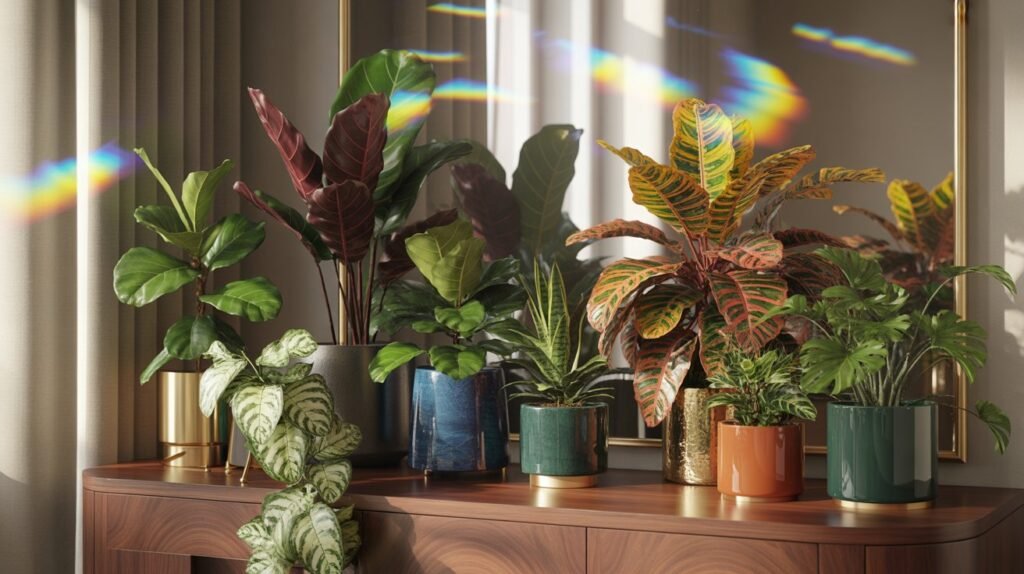
Grouping plants also adds a visually appealing display and simplifies care routines, such as watering and rotation. By placing low-maintenance plants together, you can maintain humidity, encourage healthy growth, and enhance the overall aesthetic of your indoor garden with minimal effort.
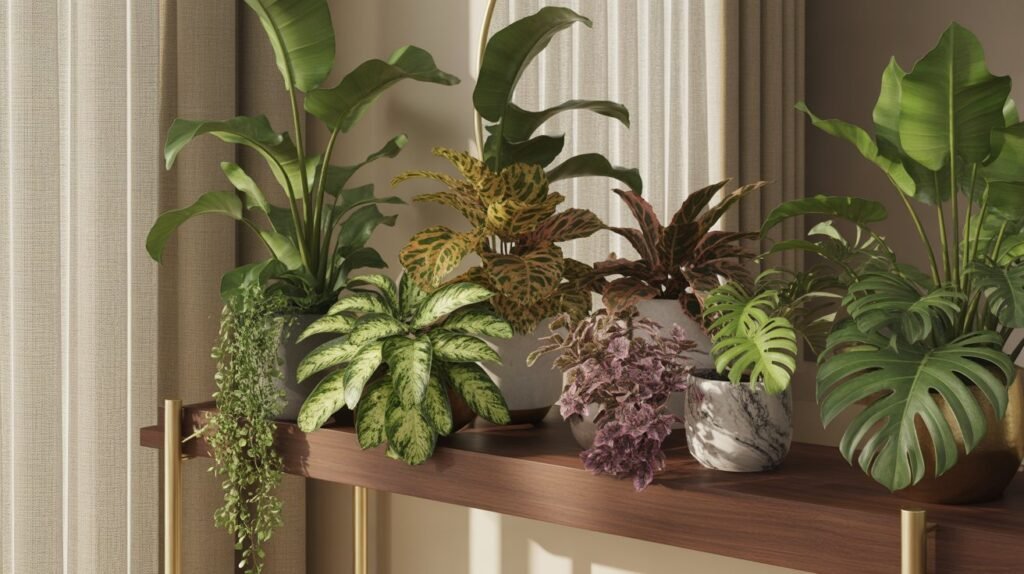
Arrange plants with similar light and water needs close to each other. This creates a supportive environment while keeping your indoor space stylish and vibrant—a practical Essential Houseplant Care Tip for thriving indoor greenery.
9: Watch for Pests and Remove Promptly
Even low-maintenance indoor plants can attract pests like aphids, spider mites, or mealybugs. Regularly inspecting your plants and addressing infestations early prevents long-term damage. This proactive approach is a simple but essential Essential Houseplant Care Tip that keeps plants healthy without intensive care routines.
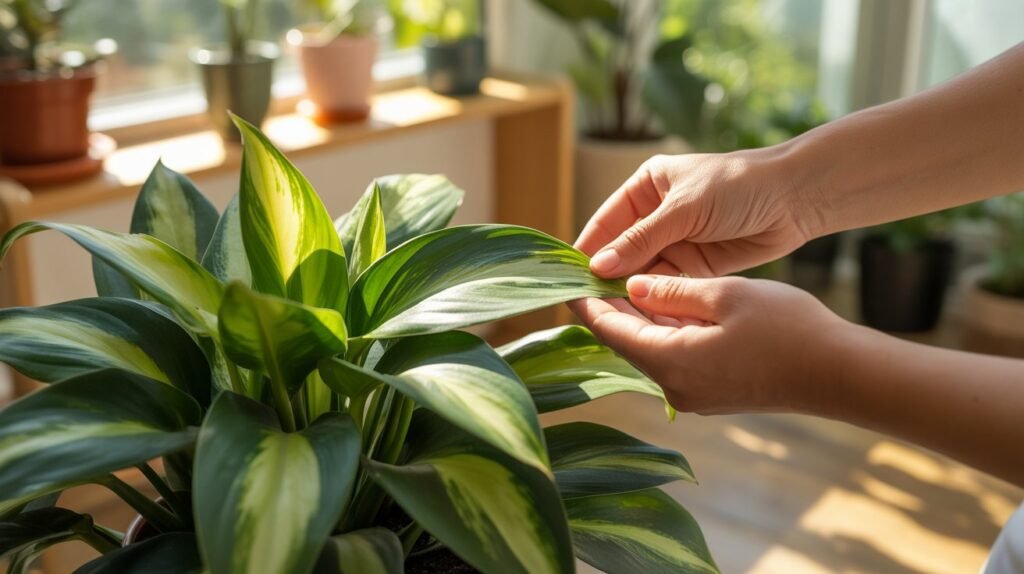
Using natural solutions like wiping leaves, spraying water, or applying mild insecticidal soap is effective and safe for indoor environments. Busy plant owners can quickly check leaves during watering sessions, making pest management easy and stress-free. Following these Essential Houseplant Care Tips ensures your indoor garden stays vibrant and problem-free.
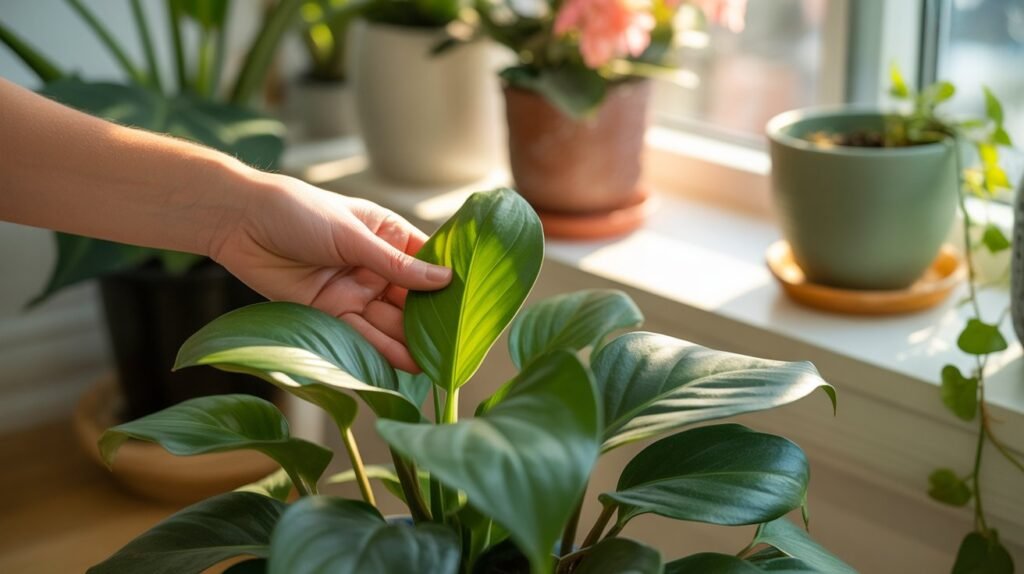
Inspect the top and underside of leaves weekly for signs of pests or damage. Prompt action prevents larger problems and is one of the easiest Essential Houseplant Care Tips to maintain healthy plants effortlessly.
10: Use Mulch or Decorative Pebbles to Retain Moisture
Adding a layer of mulch, decorative stones, or pebbles on top of the soil is a simple trick that helps retain moisture and reduces evaporation. This method is especially useful for busy plant owners who may not water their plants daily. It’s an easy Essential Houseplant Care Tip that supports consistent soil moisture without extra effort.
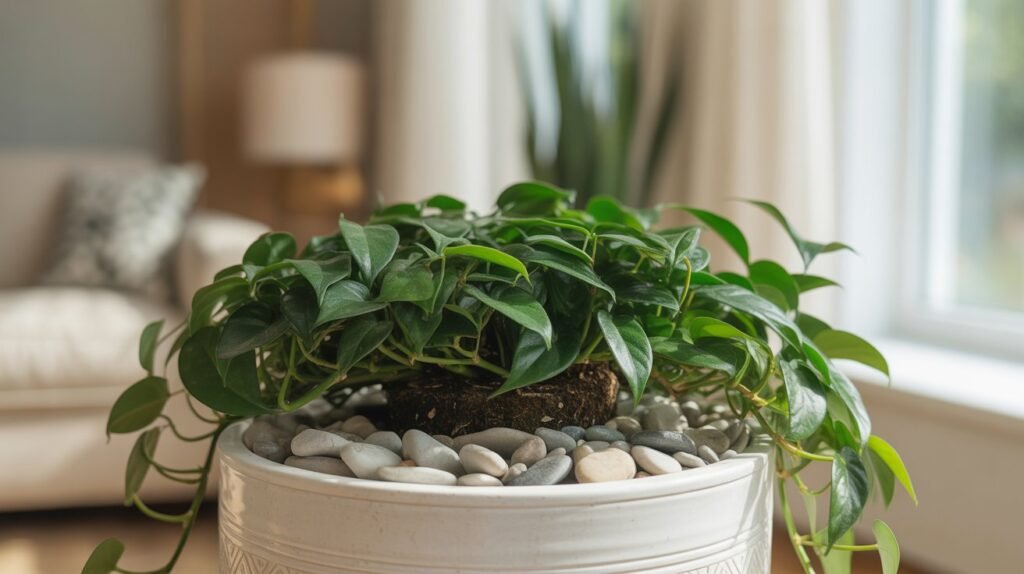
Besides moisture retention, mulch and pebbles also enhance the visual appeal of your indoor plants. They give a polished, stylish look while keeping the soil cleaner and helping prevent pests from laying eggs in the soil. This approach allows indoor plants to stay healthy and attractive with minimal intervention.
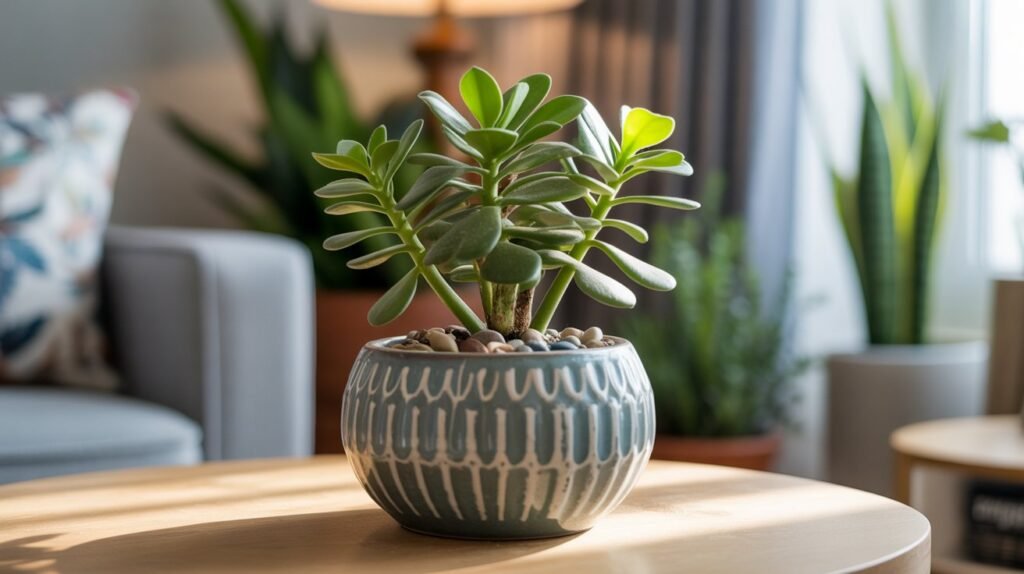
Choose small pebbles or natural mulch that complements your pot design. This simple addition is a practical Essential Houseplant Care Tip that keeps plants thriving while adding aesthetic value.
Final Thoughts
Caring for indoor plants doesn’t have to be time-consuming or stressful. By selecting resilient, low-maintenance varieties and following simple routines—like proper watering, correct light placement, and occasional leaf cleaning—you can enjoy lush, vibrant greenery with minimal effort. These Essential Houseplant Care Tips make it easy for busy people to create a thriving indoor garden without feeling overwhelmed.
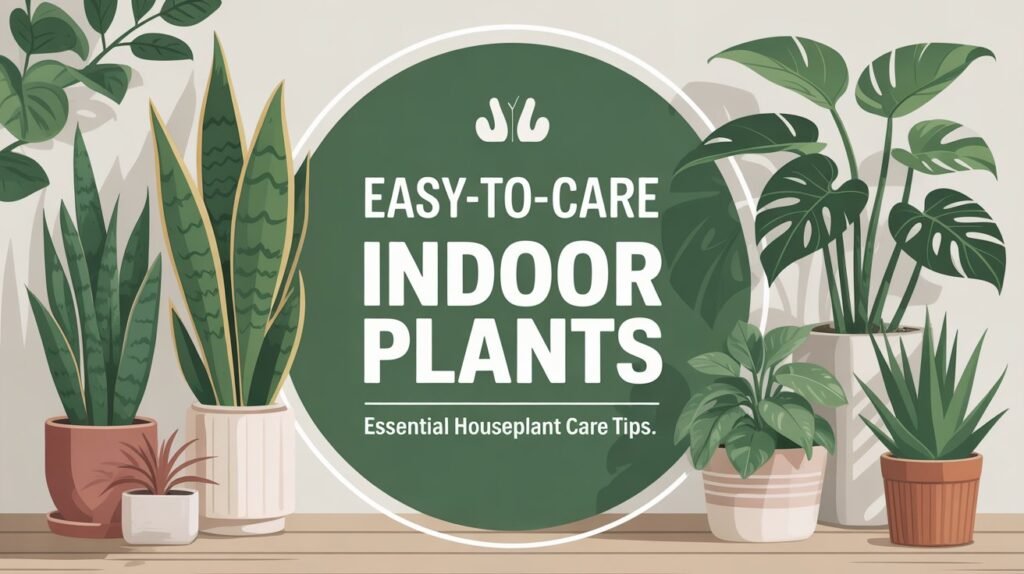
Consistency, observation, and small adjustments go a long way. Rotating plants, grouping them for natural humidity, and monitoring for pests are simple steps that enhance plant health and appearance. Even beginners can maintain healthy plants when they follow these practical Essential Houseplant Care Tips.
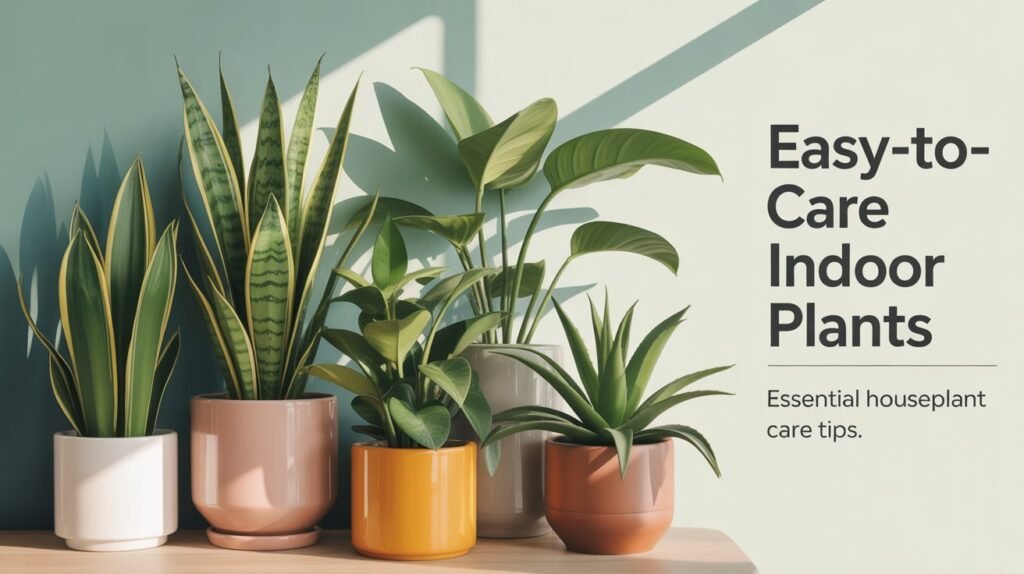
Ultimately, indoor plants add beauty, fresh air, and a calming atmosphere to your home. With the right choices and basic care practices, you can cultivate a green space that thrives effortlessly, bringing joy and serenity to your indoor environment.