Indoor plants bring life, color, and tranquility to any home, but even the most well-cared-for plants can face issues. Yellowing leaves, drooping stems, brown tips, or stunted growth are common signs that something isn’t right. Understanding these problems and knowing how to address them is essential for keeping your indoor greenery healthy, vibrant, and thriving.
How to Identify and Fix Common Indoor Plant Problems | Indoor Plant Care Tips
Indoor plants bring life, color, and tranquility to any home, but even the most well-cared-for plants can face issues. Yellowing leaves, drooping stems, brown tips, or stunted growth are common signs that something isn’t right. Understanding these problems and knowing how to address them is essential for keeping your indoor greenery healthy, vibrant, and thriving.
Identifying and fixing common plant problems is not just about survival—it’s also about enhancing the beauty of your home. Healthy, thriving plants elevate interiors, improve air quality, and create a sense of harmony and well-being. With a combination of careful observation, practical solutions, and consistent Essential Houseplant Care Tips, you can confidently tackle any indoor plant challenge and enjoy a thriving, green sanctuary in your living space.
1: Identifying Overwatering and Underwatering Issues
One of the most common indoor plant problems is improper watering. Overwatering can lead to root rot, yellowing leaves, and a weak plant structure, while underwatering often causes drooping leaves, dry soil, and slow growth. Learning to identify these signs early is crucial for maintaining healthy plants. By observing leaf color, texture, and soil moisture, you can determine whether your plant is receiving the right amount of water.
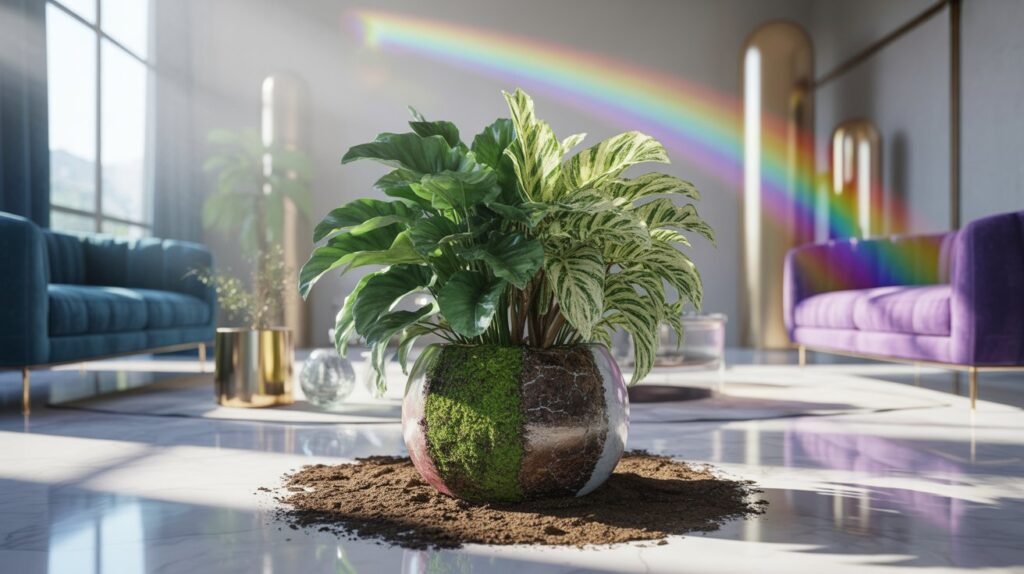
Following Essential Houseplant Care Tips helps prevent these problems. Check soil moisture regularly, water according to each plant’s specific needs, and ensure pots have proper drainage. Adjust watering frequency based on environmental conditions such as light, humidity, and temperature. Consistent monitoring and care will help your indoor plants thrive and maintain vibrant, healthy foliage.
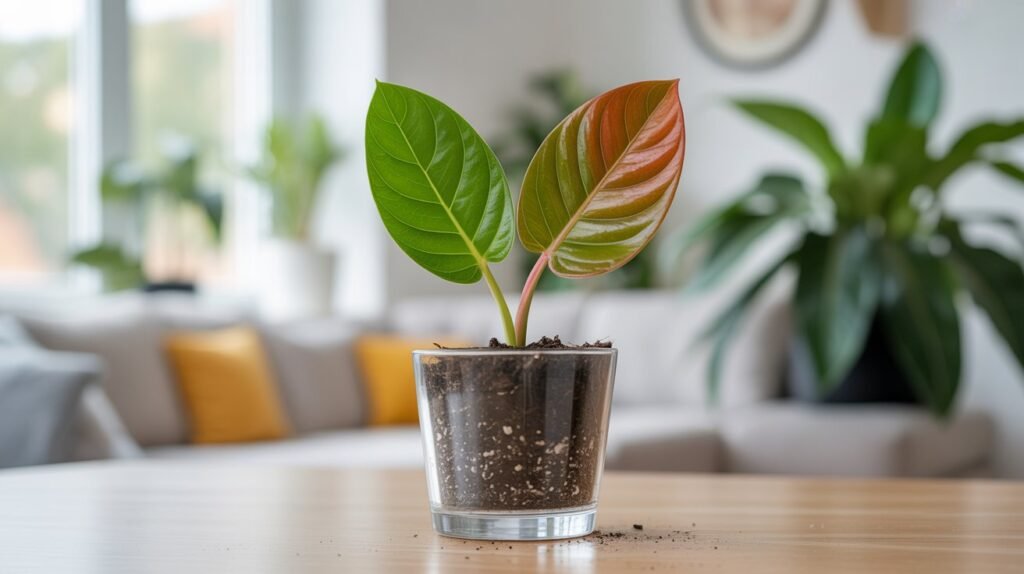
Correcting watering issues is straightforward when done promptly. For overwatered plants, allow the soil to dry, remove affected leaves, and repot if necessary. For underwatered plants, gradually increase water while avoiding waterlogging. Applying Essential Houseplant Care Tips ensures your plants recover quickly and continue to flourish, keeping your indoor greenery lush and attractive.
2: Recognizing Pest Infestations Early
Pests like spider mites, aphids, and mealybugs can silently damage indoor plants, leading to discolored leaves, sticky residue, or stunted growth. Identifying infestations early is key to preventing significant harm. Careful inspection of leaves, stems, and the soil surface can reveal small insects or unusual patterns, allowing plant owners to act before the problem escalates.
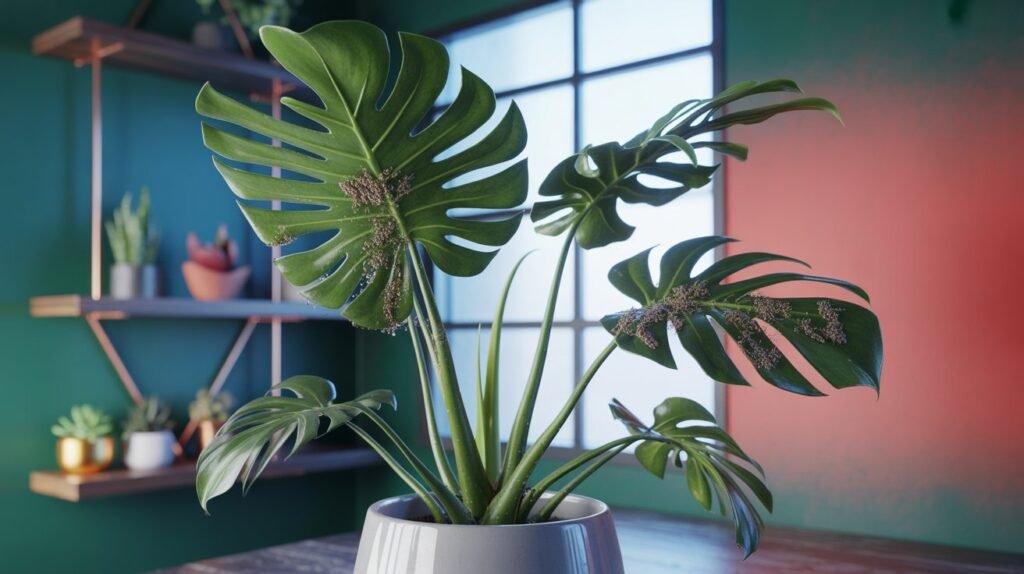
Implementing Essential Houseplant Care Tips is vital in both prevention and treatment. Regularly cleaning leaves, maintaining proper humidity levels, and isolating new plants before introducing them to your indoor garden can reduce the risk of infestations. Timely intervention with safe, plant-friendly treatments ensures your greenery remains healthy and pest-free.
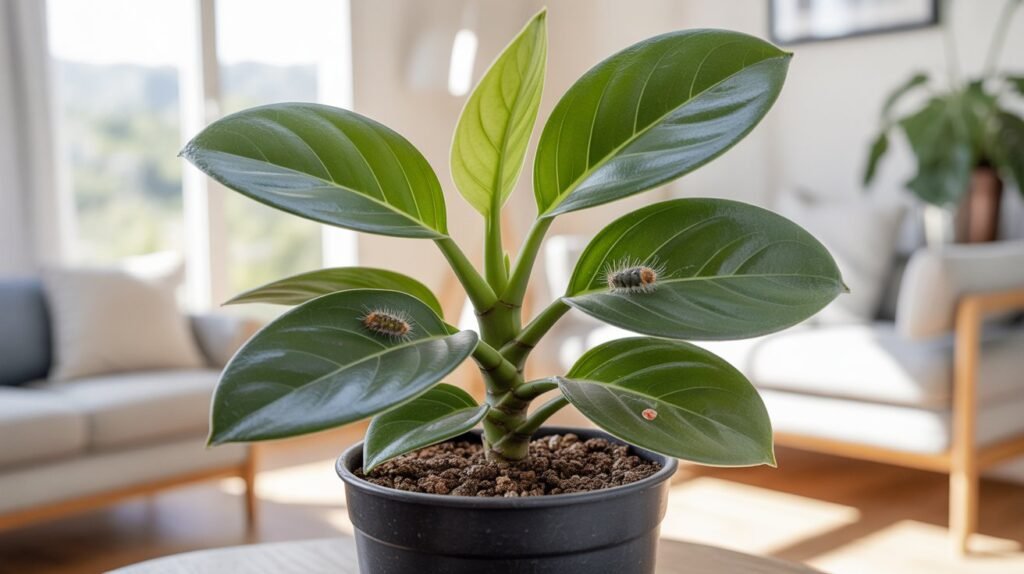
Implementing Essential Houseplant Care Tips is vital in both prevention and treatment. Regularly cleaning leaves, maintaining proper humidity levels, and isolating new plants before introducing them to your indoor garden can reduce the risk of infestations. Timely intervention with safe, plant-friendly treatments ensures your greenery remains healthy and pest-free.
3: Fixing Leaf Discoloration and Browning Tips
Leaf discoloration, including yellowing or browning, is a common sign that an indoor plant is experiencing stress. Causes can range from improper watering and nutrient deficiencies to too much direct sunlight or environmental stress. Recognizing the specific cause is essential to restoring the plant’s health and maintaining vibrant foliage.
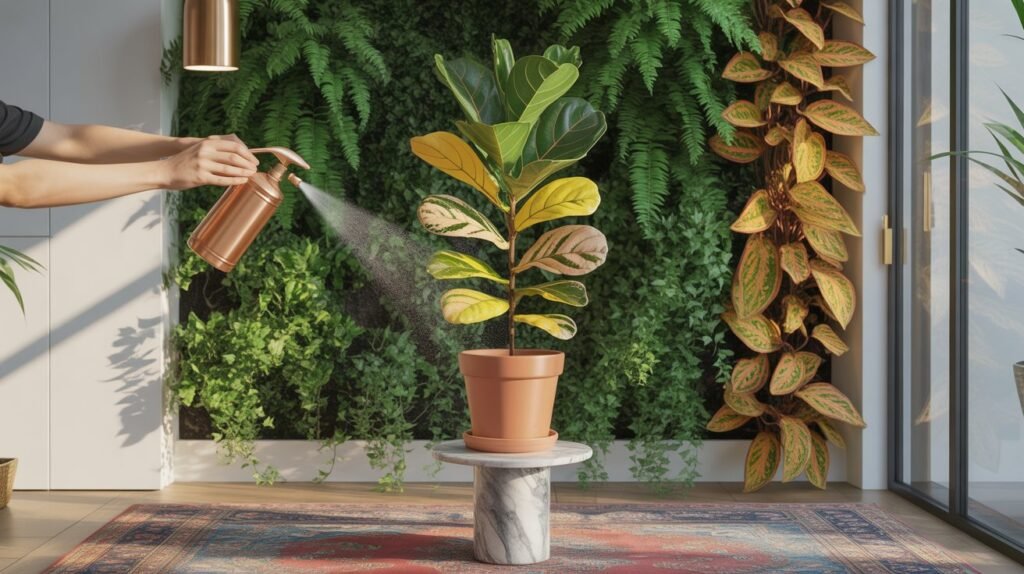
Following Essential Houseplant Care Tips ensures that corrective measures are effective. Assess light exposure, adjust watering habits, and consider adding balanced fertilizer to replenish nutrients. Removing affected leaves and trimming damaged tips can also help redirect the plant’s energy toward healthy growth. Proper care keeps plants looking fresh and revitalized.
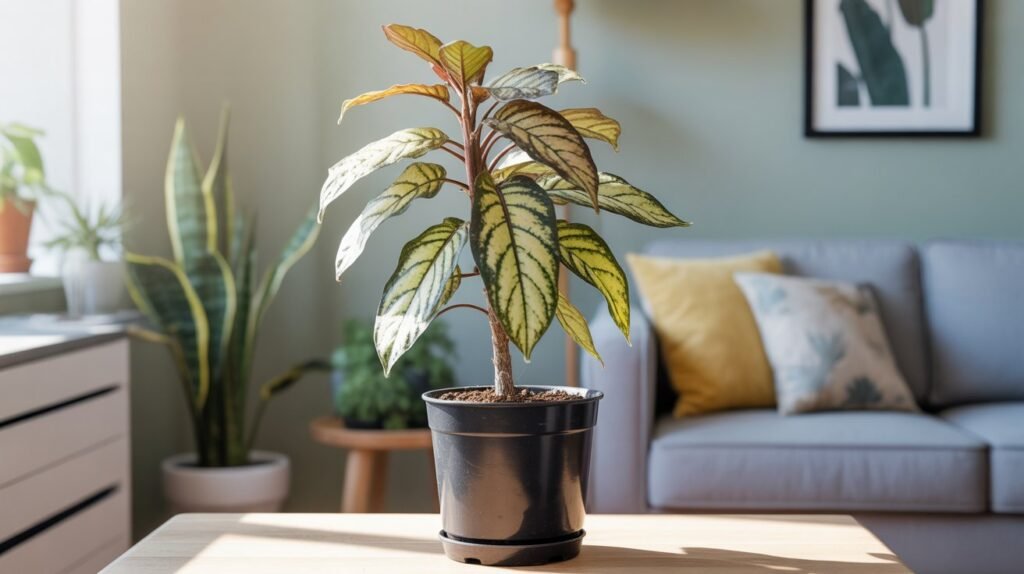
Proactive observation combined with consistent Essential Houseplant Care Tips allows plant owners to prevent further damage and encourage recovery. Healthy, green leaves are not only a sign of well-maintained plants but also enhance the overall aesthetic of indoor spaces, making your home feel lively and inviting.
4: Correcting Root Bound Plants
Root bound plants, where roots have outgrown their pots, often show signs like slow growth, drooping leaves, or roots circling the soil surface. Identifying a root-bound plant early is important to prevent stress and maintain healthy growth. Regular inspection of your plant’s root system ensures you can intervene before problems escalate.
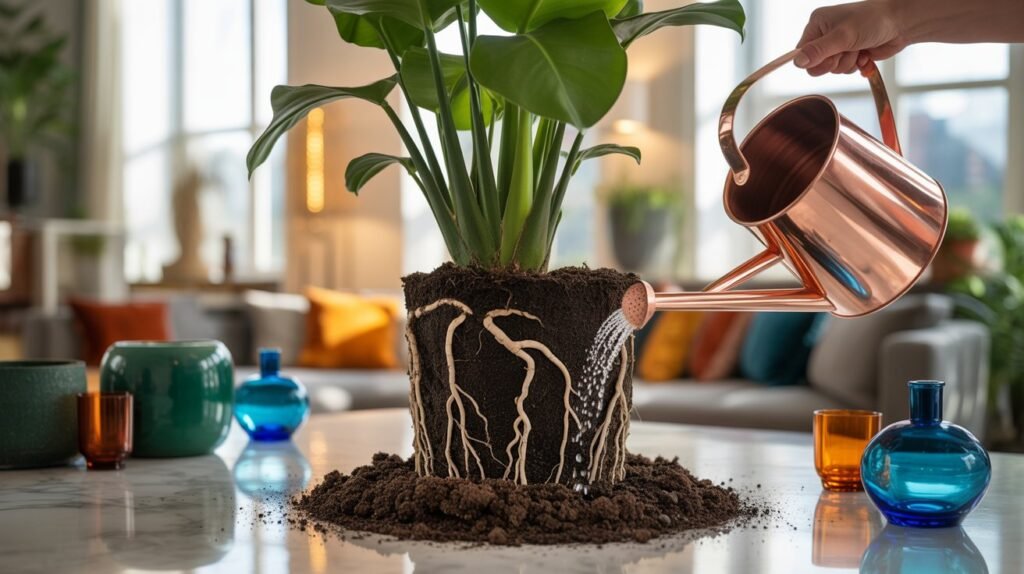
Following Essential Houseplant Care Tips is crucial when dealing with root-bound plants. Repotting into a slightly larger container with fresh soil allows roots to expand and access necessary nutrients. Gently loosening compacted roots and trimming damaged ones helps the plant recover faster and encourages healthy development.
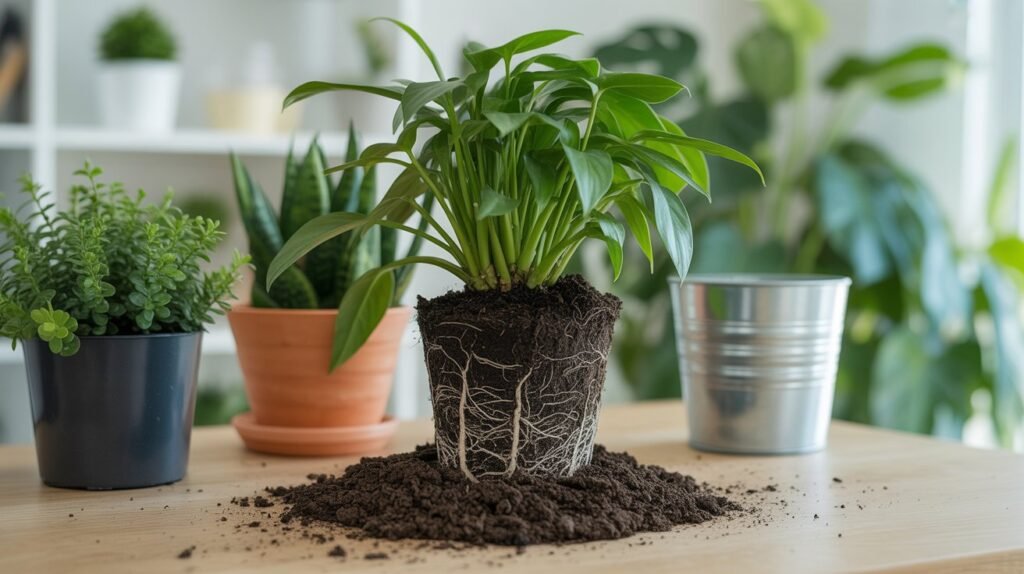
Proper care and monitoring after repotting, combined with consistent Essential Houseplant Care Tips, ensure that indoor plants adapt smoothly to their new environment. Healthy roots support vibrant foliage, stronger stems, and overall resilience, keeping your indoor greenery thriving and visually appealing.
5: Dealing with Pest and Fungal Issues
Indoor plants are susceptible not only to pests but also to fungal infections, which can appear as powdery mildew, mold, or black spots on leaves. Early detection is critical to prevent widespread damage and maintain the health of your indoor greenery. Regularly inspecting leaves, stems, and soil allows you to identify problems before they become severe, ensuring that your plants continue to thrive.
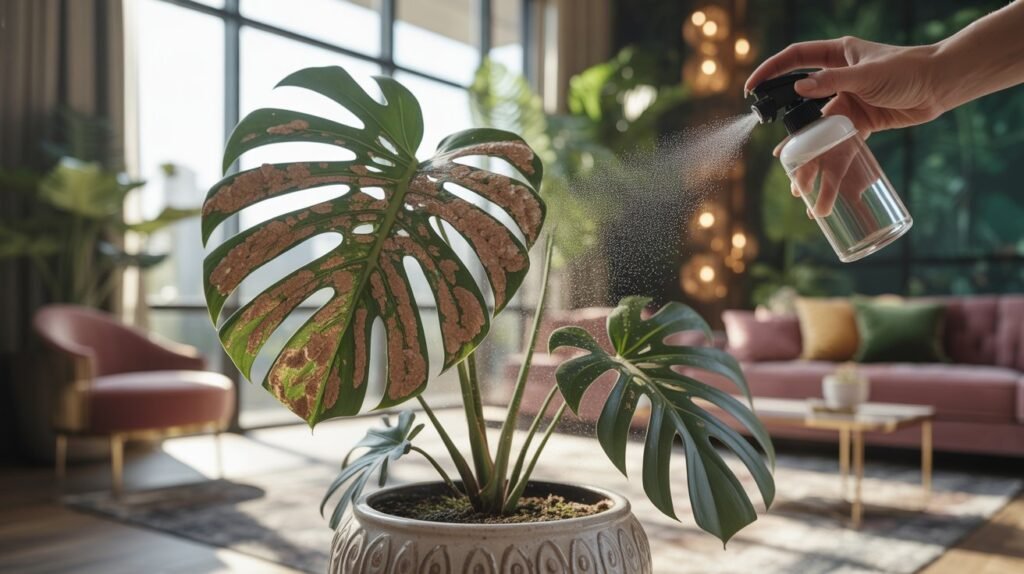
Applying Essential Houseplant Care Tips is essential for both prevention and treatment. Keep plants clean by wiping leaves regularly, maintaining proper humidity, and ensuring good air circulation. Isolate new plants before introducing them to your collection, and use plant-safe treatments or natural remedies to control pests and fungal infections. This approach helps protect both affected and healthy plants in your indoor garden.
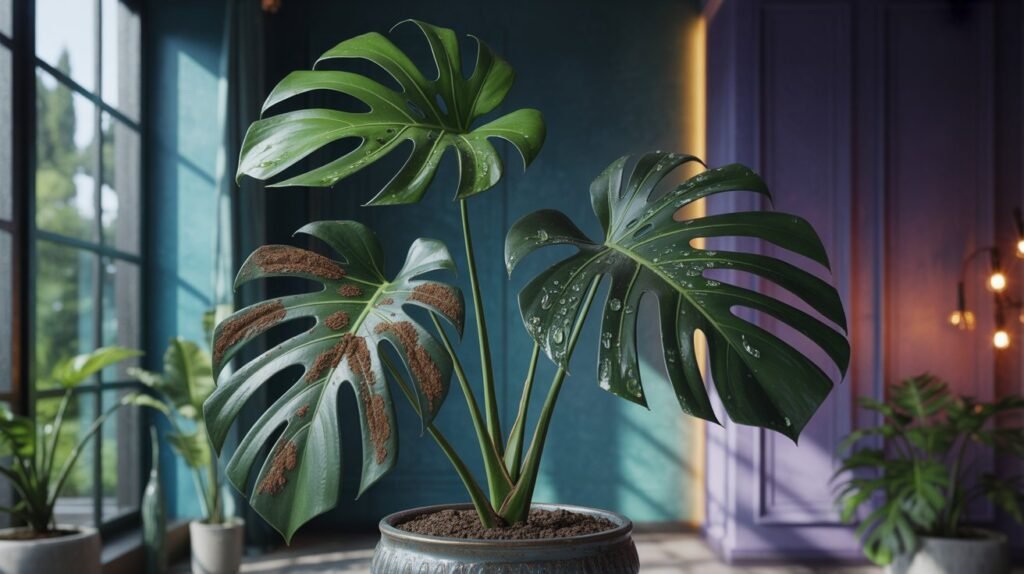
For plants already showing signs of infestation or infection, prompt action is necessary. Carefully prune affected leaves, treat with appropriate solutions, and monitor recovery closely. Consistent application of Essential Houseplant Care Tips helps your plants regain strength and prevents recurring problems. By addressing pest and fungal issues effectively, you can ensure your indoor plants remain lush, vibrant, and a beautiful addition to your home décor.
6: Correcting Light and Temperature Stress
Indoor plants often show signs of stress due to improper light or temperature conditions. Leaves may become pale, scorched, or droop if a plant is exposed to too much direct sunlight or placed in a drafty area. Conversely, insufficient light can cause leggy growth, weak stems, and slow development. Understanding your plant’s specific light and temperature needs is crucial to maintaining healthy foliage and strong growth.
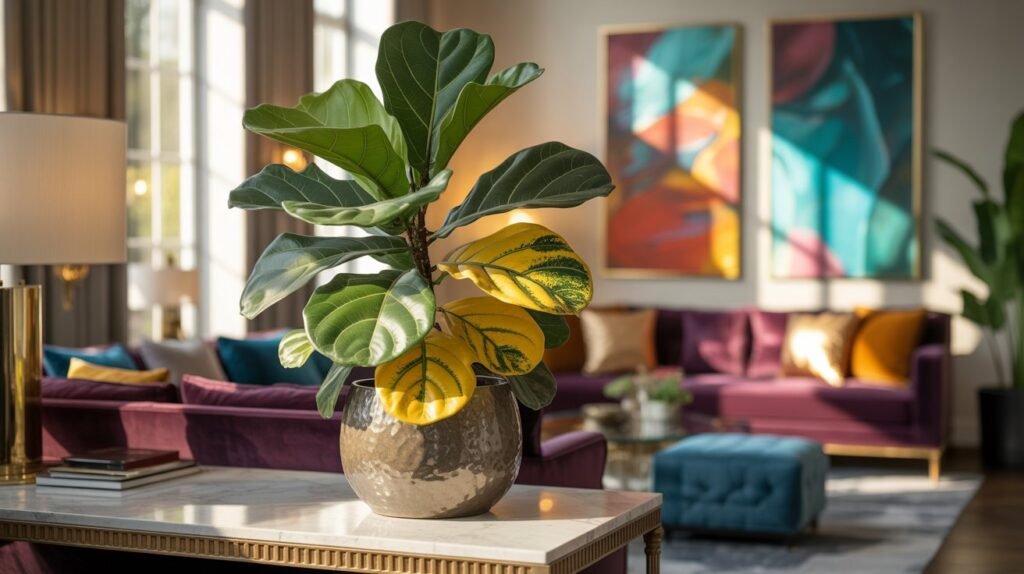
Following Essential Houseplant Care Tips helps prevent and correct these issues. Adjust the plant’s placement according to its light requirements, provide artificial lighting if natural light is insufficient, and avoid positioning plants near cold drafts or heat sources. Regular monitoring ensures that plants adapt to their environment and remain healthy.
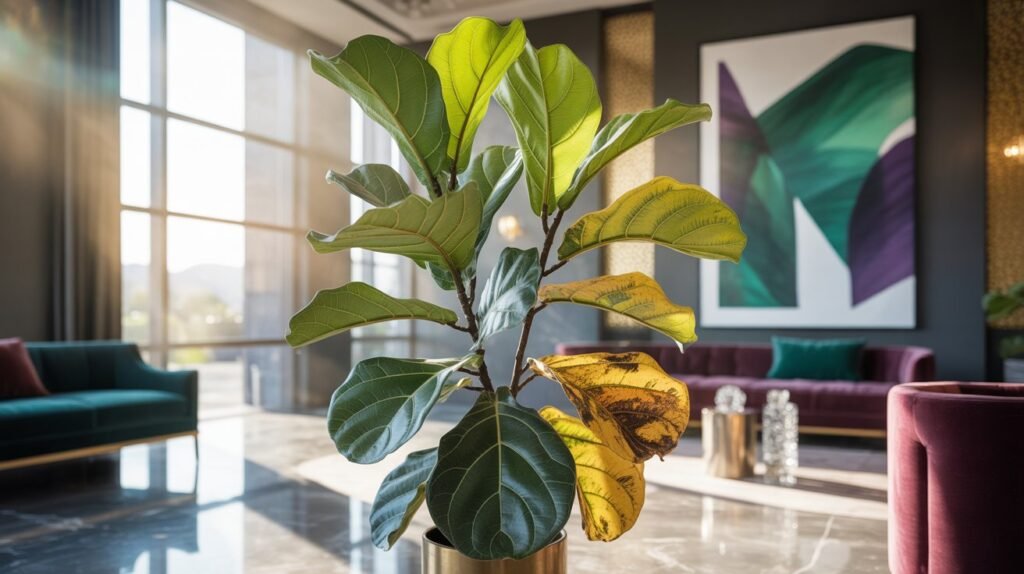
Addressing light and temperature stress promptly can significantly improve a plant’s vitality. Gradually acclimating plants to new lighting conditions, rotating them for even growth, and maintaining stable room temperatures encourages recovery. With careful attention and consistent Essential Houseplant Care Tips, indoor plants can thrive in modern homes, contributing to a vibrant and welcoming indoor environment.
7: Treating Nutrient Deficiencies in Indoor Plants
Nutrient deficiencies are a subtle but common cause of indoor plant problems. Signs such as yellowing leaves, stunted growth, pale foliage, or curling edges often indicate a lack of essential minerals or imbalanced soil nutrition. Understanding which nutrients your plant needs is critical to restoring its health and supporting vibrant growth. Regularly assessing the plant’s condition and soil quality ensures early detection and timely correction of deficiencies.
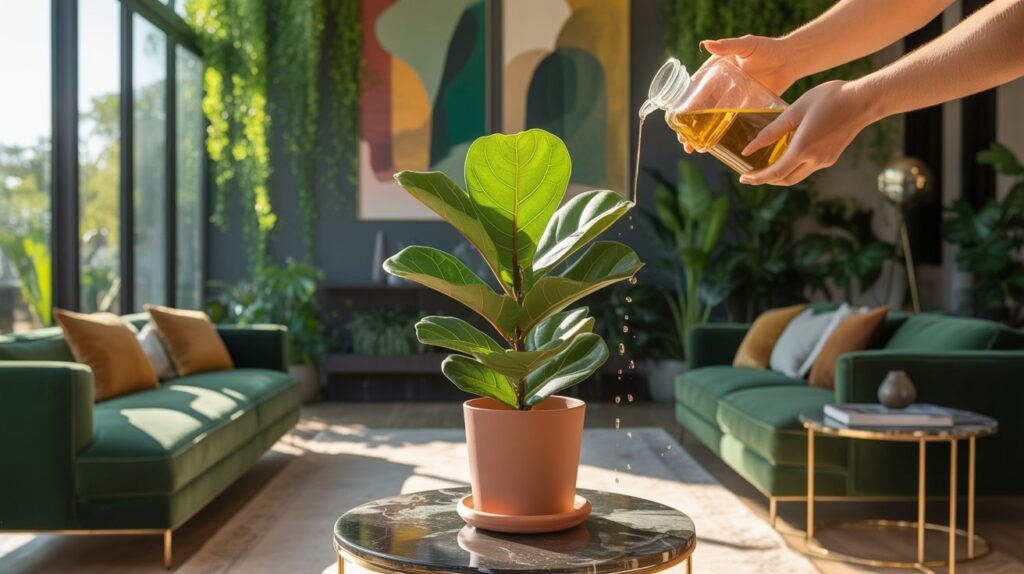
Following Essential Houseplant Care Tips is key to addressing these issues effectively. Use balanced fertilizers suitable for indoor plants, adjust the frequency based on plant type and growth stage, and ensure that pots have well-draining soil to prevent nutrient lockout. Organic supplements, such as compost or natural plant food, can also provide slow-release nutrition that strengthens plants over time. Combining these practices with consistent observation helps prevent recurring deficiencies.
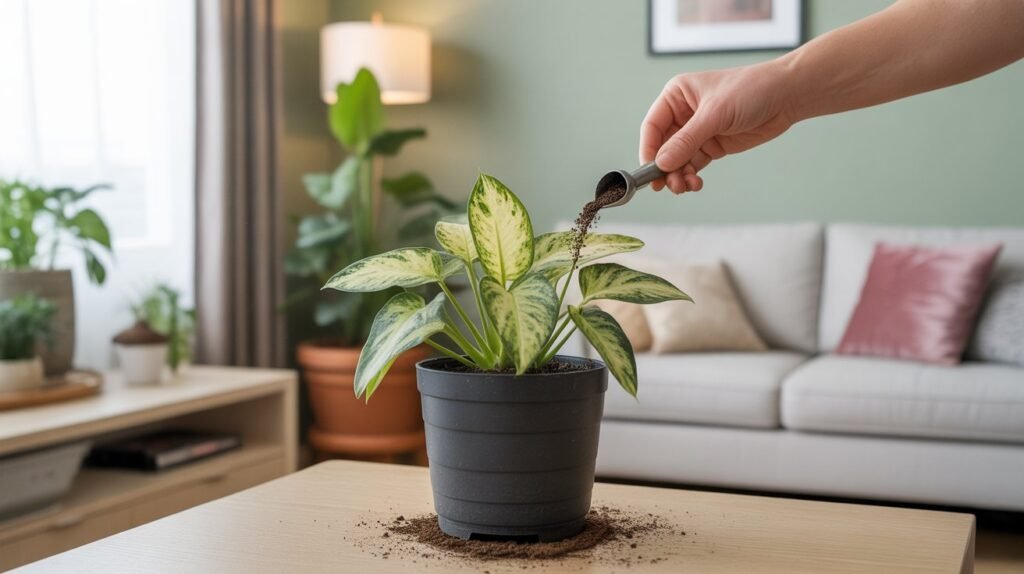
Correcting nutrient imbalances not only restores the plant’s color and vitality but also enhances its resilience against other stresses. Carefully pruning damaged leaves and providing appropriate fertilization encourages strong, healthy growth while improving overall aesthetics. By applying Essential Houseplant Care Tips consistently, you ensure that indoor plants remain lush, thriving, and a visually appealing feature in any home environment.
8: Managing Overcrowded Plants and Space Issues
Overcrowding is a common issue for indoor plants, especially in smaller spaces or when multiple plants are grouped together. When plants are too close, they compete for light, water, and nutrients, which can lead to weak growth, yellowing leaves, and increased susceptibility to pests and diseases. Identifying overcrowded plants early and giving them adequate space is essential for healthy growth and maintaining the aesthetic appeal of your indoor garden.
Following Essential Houseplant Care Tips helps manage space effectively. Repot plants into larger containers when necessary, use plant stands or shelves to elevate and separate them, and arrange plants according to their light requirements. Ensuring proper spacing also improves airflow, reducing the risk of fungal infections and promoting stronger, healthier growth. Thoughtful arrangement ensures each plant receives the care it needs while enhancing the overall visual impact of your indoor greenery.
Addressing overcrowding not only improves plant health but also creates a more organized and visually pleasing indoor environment. Properly spaced plants can thrive without stress, showcase their natural beauty, and become a harmonious part of your home décor. By applying consistent Essential Houseplant Care Tips, you can transform even small indoor spaces into lush, vibrant, and well-balanced plant displays that are both functional and Pinterest-worthy.
9: Combating Leaf Drop and Weak Growth
Leaf drop and weak growth are frequent signs that indoor plants are under stress. Causes may include sudden changes in light, temperature fluctuations, inconsistent watering, or insufficient nutrients. Plants that drop leaves or show slow growth often struggle to maintain energy, making early identification and intervention crucial to restore their health and vitality.
Following Essential Houseplant Care Tips is key to addressing these problems effectively. Evaluate environmental conditions and make gradual adjustments to lighting, temperature, or watering routines. Provide balanced nutrition and ensure that pots allow proper drainage to promote healthy root development. Monitoring your plants regularly allows you to detect subtle changes early, preventing more serious issues from developing.
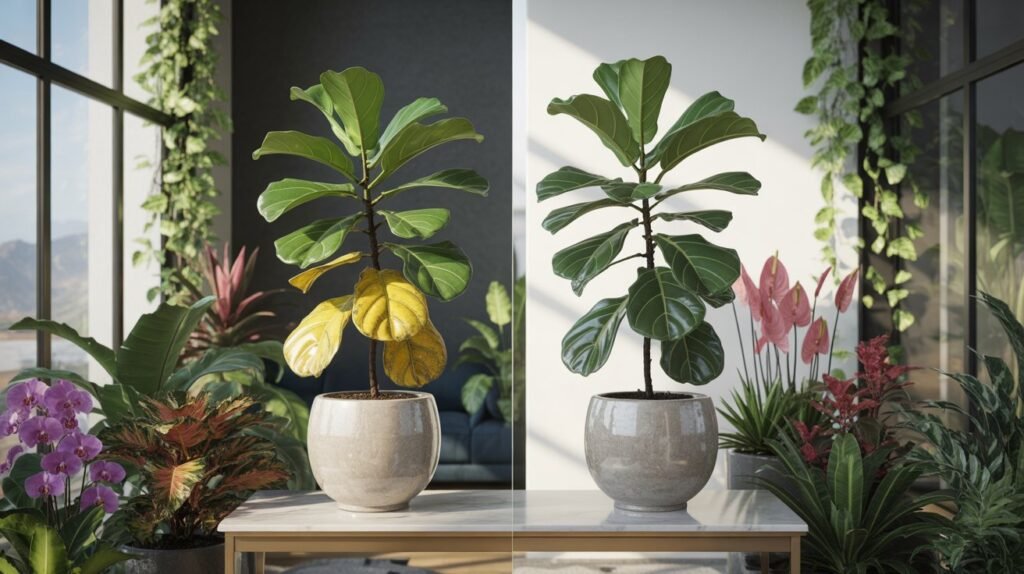
Correcting leaf drop and weak growth not only improves plant health but also enhances the overall appearance and harmony of your indoor space. Healthy, thriving plants boost the visual appeal of your home, contribute to a calming environment, and create a sense of natural beauty. With consistent application of Essential Houseplant Care Tips, indoor plants can recover fully, regain strong growth, and remain an eye-catching feature of your décor.
10: Preventing Common Indoor Plant Diseases
Indoor plants are prone to a variety of diseases, including root rot, leaf spot, and fungal infections, which can quickly compromise their health and appearance. Early detection and preventive care are crucial to keeping plants strong and thriving. Regularly inspecting leaves, stems, and soil, along with maintaining proper watering and ventilation, can significantly reduce the risk of common plant diseases.
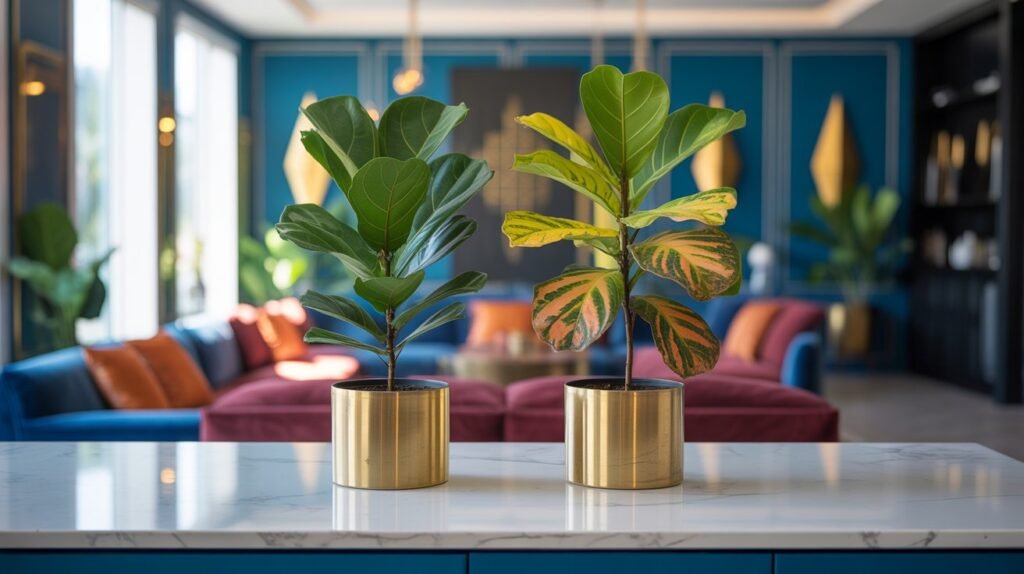
Applying Essential Houseplant Care Tips is essential for both prevention and treatment. Ensure pots have proper drainage, avoid waterlogged soil, and provide adequate spacing between plants to improve airflow. Using clean tools, sterilizing pots, and promptly removing affected leaves can further protect plants from spreading disease. Consistent application of these tips helps maintain healthy indoor plants that continue to thrive in a modern home environment.
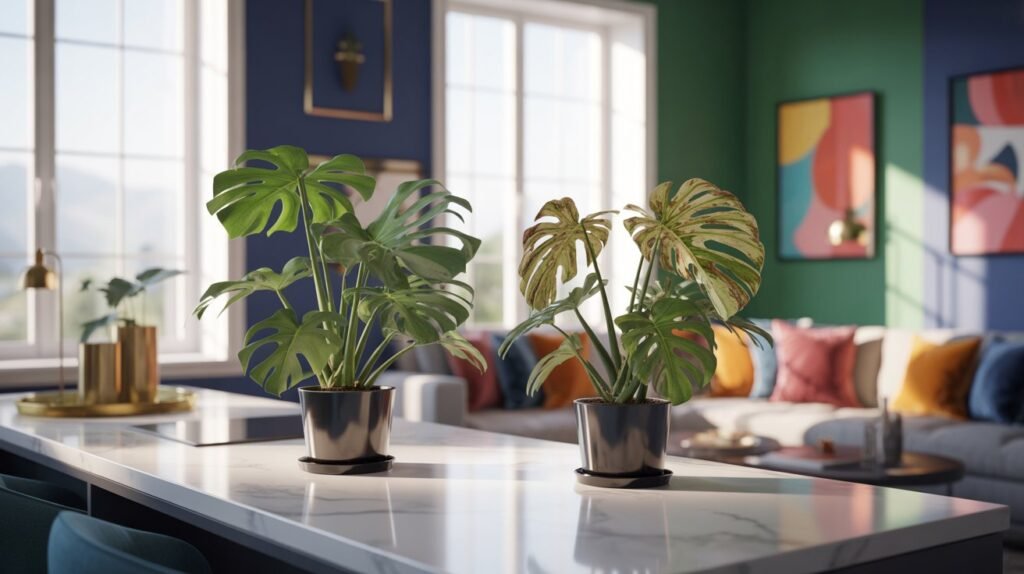
Preventive care not only safeguards plant health but also enhances the overall aesthetics and harmony of your living space. By addressing environmental factors, monitoring plant condition, and applying Essential Houseplant Care Tips diligently, you can minimize disease risks, encourage strong growth, and enjoy lush, vibrant indoor plants that are both beautiful and resilient.
Final Thoughts
Caring for indoor plants involves more than just watering and sunlight—it requires careful observation, consistent maintenance, and timely interventions to address common problems. From overwatering and nutrient deficiencies to pest infestations and leaf discoloration, each challenge offers an opportunity to improve your plant care skills. By recognizing these issues early and applying the right solutions, you can ensure your indoor plants remain healthy, vibrant, and visually stunning.
Following Essential Houseplant Care Tips is the foundation of successful indoor gardening. Proper watering, balanced nutrition, adequate lighting, and pest prevention are key components that support strong growth and prevent stress. Consistent attention to these factors not only helps plants recover from problems but also enhances their natural beauty, allowing them to thrive as integral elements of your home décor.
Indoor plants do more than decorate—they improve air quality, create a calming atmosphere, and bring life into every room. By combining careful observation, preventive measures, and reliable Essential Houseplant Care Tips, you can transform your living space into a lush, harmonious, and Pinterest-worthy indoor garden. Healthy, thriving plants contribute to a home environment that feels welcoming, stylish, and alive, reflecting your dedication and creativity as a plant enthusiast.