Starting your indoor plant journey can feel overwhelming, especially if you’re new to plant care. Many beginners worry about watering schedules, sunlight needs, and keeping plants alive long-term. The good news is that some indoor plants are naturally resilient, forgiving, and visually stunning—perfect for first-time plant parents. With the right choices and Essential Houseplant Care Tips, anyone can create a thriving indoor garden without stress.
Best Indoor Plants for Beginners | Low-Maintenance & Beautiful Essential Houseplant Care Tips
Low-maintenance indoor plants are designed by nature to adapt to indoor conditions such as low light, inconsistent watering, and varying humidity levels. These plants not only survive but flourish in apartments, offices, and small homes. By learning a few basics—like how much light a plant needs and when to water—you can avoid common mistakes. Following proven Essential Houseplant Care Tips helps beginners build confidence while enjoying healthy, beautiful greenery.
In this guide, you’ll discover beginner-friendly indoor plants that combine beauty with ease of care. These plants improve air quality, enhance home décor, and bring a calming natural touch to your space. Whether you’re decorating a shelf, desk, or windowsill, these Essential Houseplant Care Tips will help you succeed from day one.
1: Start with Naturally Hardy Indoor Plants
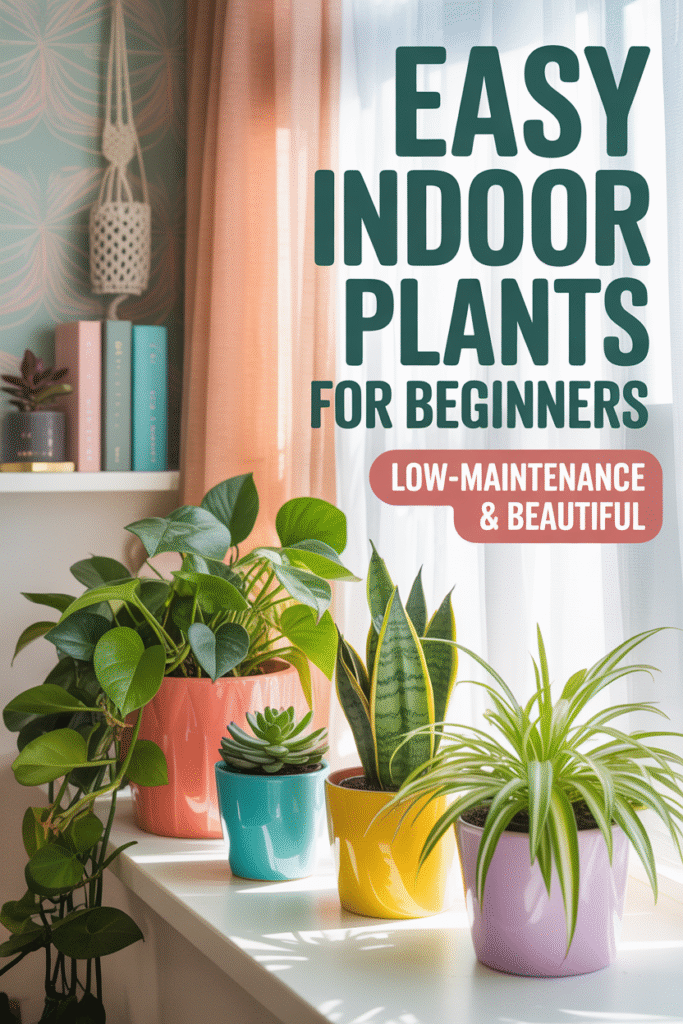
The easiest way for beginners to succeed is by choosing plants that are known for their toughness. Hardy indoor plants like snake plants, pothos, and spider plants can tolerate missed watering, low light, and changing indoor conditions. These plants grow steadily without demanding constant attention, making them ideal for beginners. Choosing the right plant from the start is one of the most effective Essential Houseplant Care Tips.
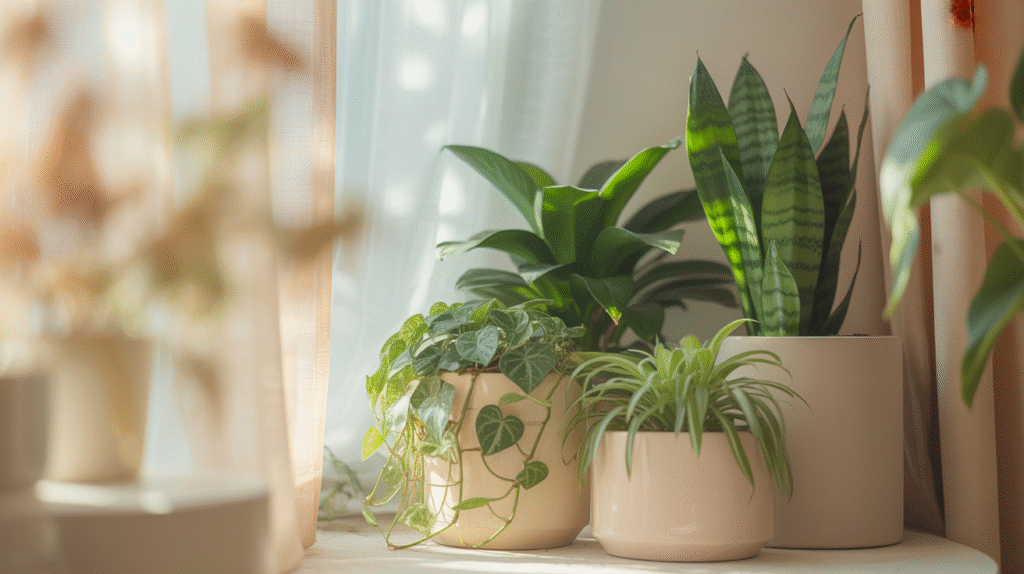
Naturally resilient plants store water in their leaves or roots, which allows them to survive longer between waterings. They also adapt well to indirect light and indoor temperatures. By starting with these beginner-friendly options, you reduce the risk of plant failure and enjoy greenery that looks good year-round. This simple choice supports long-term success using practical Essential Houseplant Care Tips.
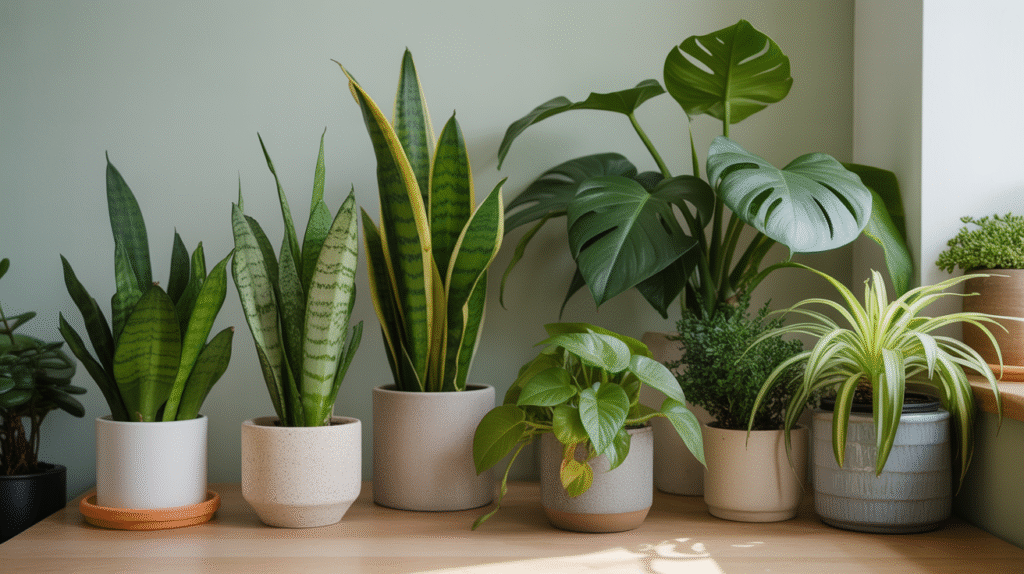
Beginner Gardening Tip: Choose Confidence-Boosting Plants
Selecting plants that thrive with minimal care builds confidence and motivation. Once you see success, you’ll feel inspired to grow more—one of the smartest Essential Houseplant Care Tips for beginners.
2: Master Simple Watering Habits Early
One of the biggest challenges beginners face is knowing when and how much to water indoor plants. Most low-maintenance plants prefer slightly dry soil rather than constant moisture. Watering only when the top inch of soil feels dry helps prevent common issues like root rot and yellowing leaves. Learning proper watering is one of the most important Essential Houseplant Care Tips for beginners.
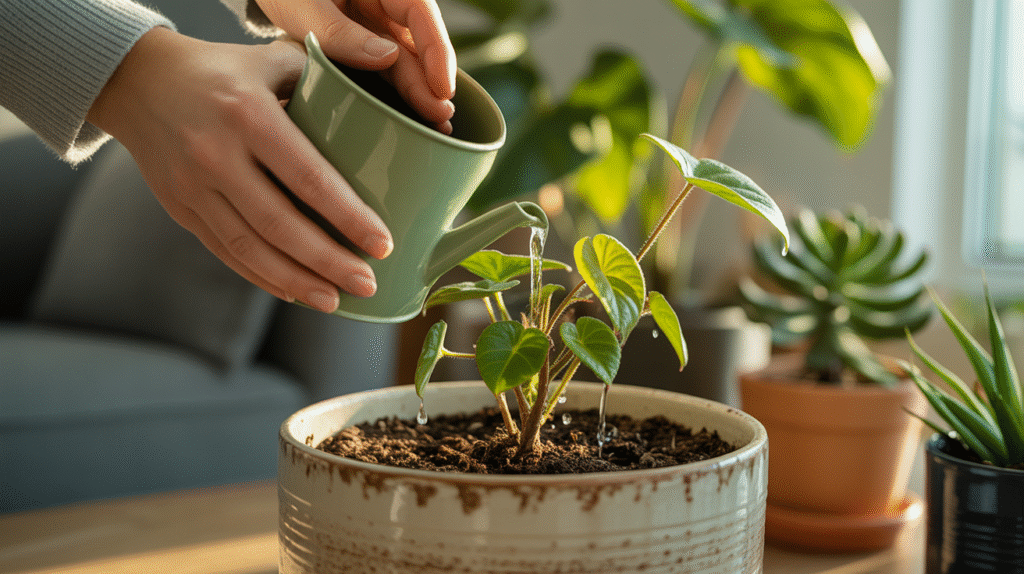
One of the biggest challenges beginners face is knowing when and how much to water indoor plants. Most low-maintenance plants prefer slightly dry soil rather than constant moisture. Watering only when the top inch of soil feels dry helps prevent common issues like root rot and yellowing leaves. Learning proper watering is one of the most important Essential Houseplant Care Tips for beginners.
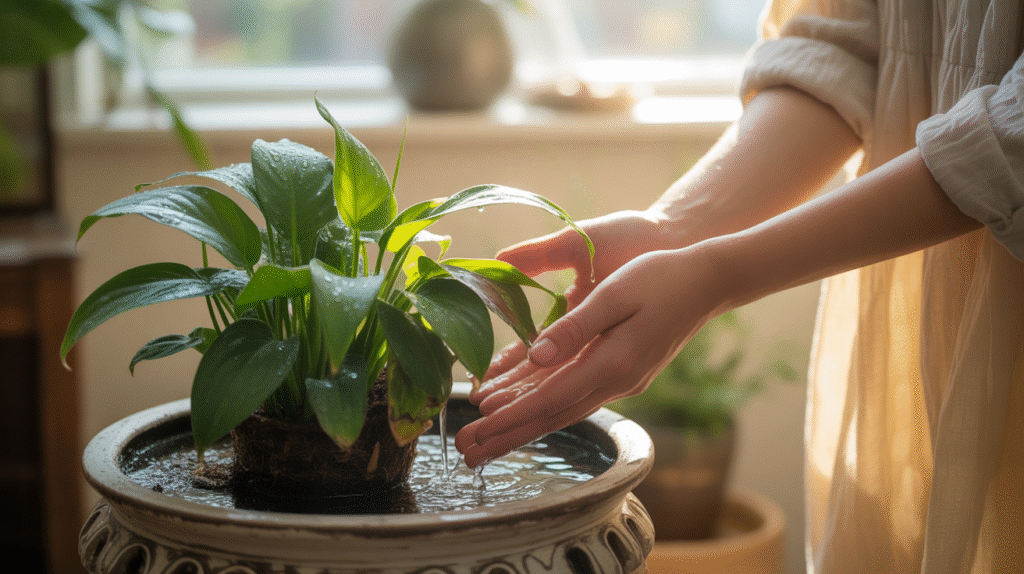
Beginner Gardening Tip: Feel the Soil, Not the Schedule
Instead of watering on fixed days, check the soil with your finger. This habit helps plants grow stronger and is one of the easiest Essential Houseplant Care Tips to follow consistently.
3: Give Plants the Right Amount of Light
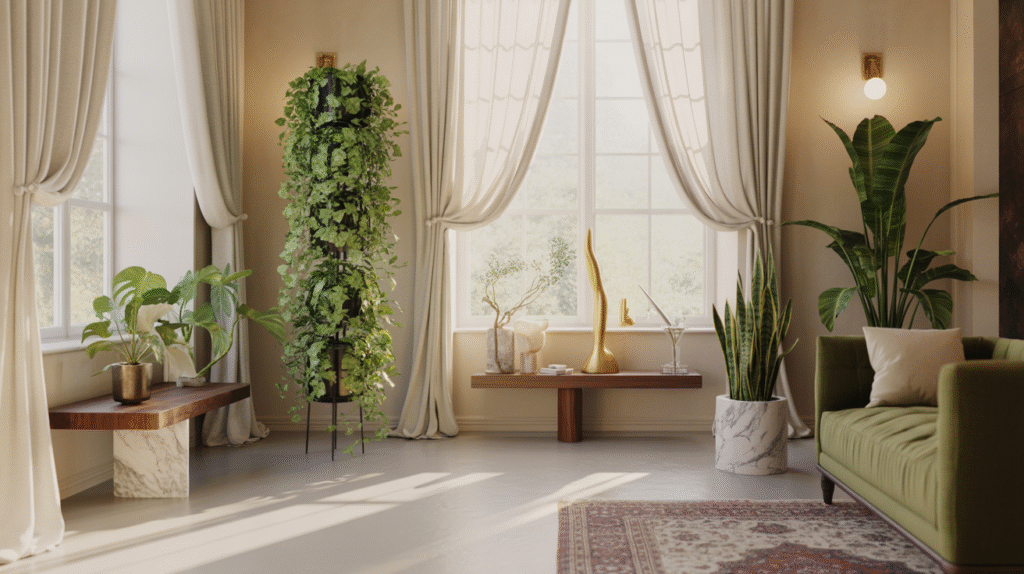
Light is essential for plant growth, but beginners often assume that all plants need direct sunlight. In reality, many beginner-friendly indoor plants thrive in bright, indirect light and can even adapt to low-light spaces. Placing plants near windows with filtered sunlight helps prevent leaf damage while supporting steady growth. Understanding light needs is one of the most valuable Essential Houseplant Care Tips.
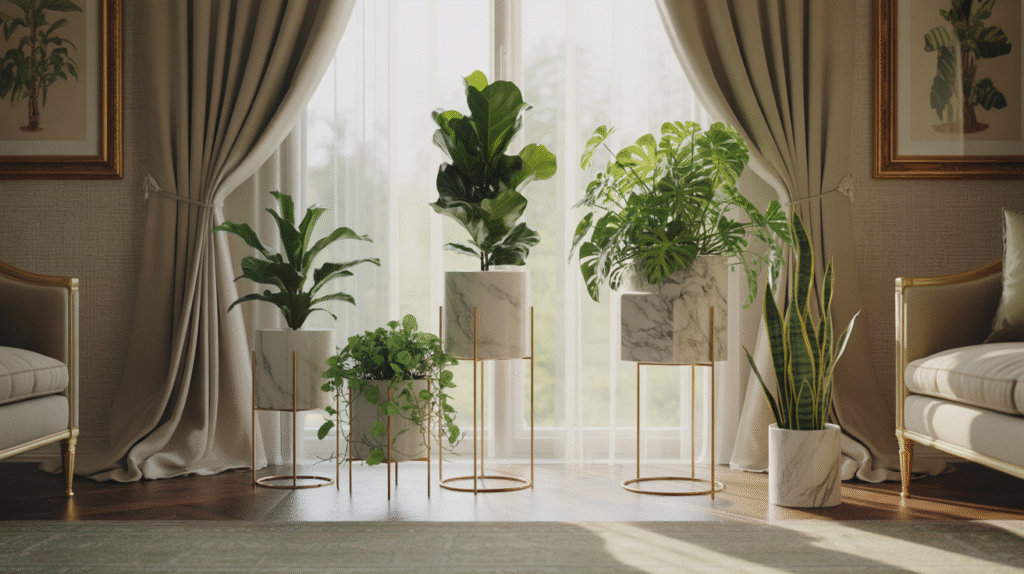
Observing how your plant responds to light makes care easier over time. Slow growth may indicate low light, while scorched or faded leaves often mean too much sun. Making small adjustments to plant placement ensures healthier foliage and longer plant life. These simple observations are practical Essential Houseplant Care Tips every beginner can apply.
Beginner Gardening Tip: Watch How Leaves React
Leaves are natural indicators of light balance. Healthy color and upright growth mean your plant is happy—an easy way to follow Essential Houseplant Care Tips without guesswork.
4: Use Proper Pots and Well-Draining Soil
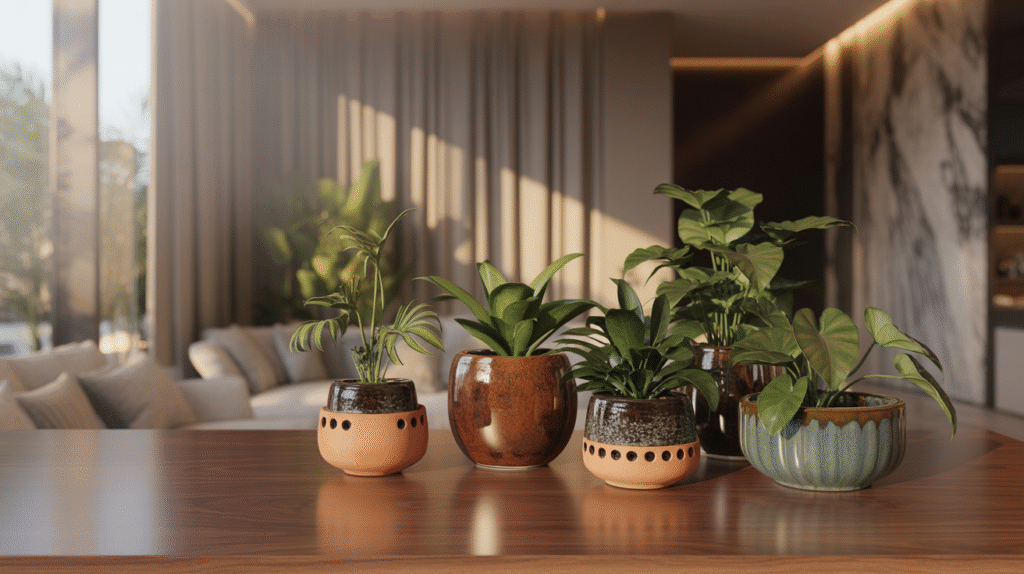
The right pot and soil setup can make plant care much easier for beginners. Indoor plants thrive best in containers with drainage holes and lightweight, well-draining soil that allows roots to breathe. This setup prevents excess moisture buildup and reduces the risk of root problems. Choosing the right foundation is one of the smartest Essential Houseplant Care Tips for beginners.
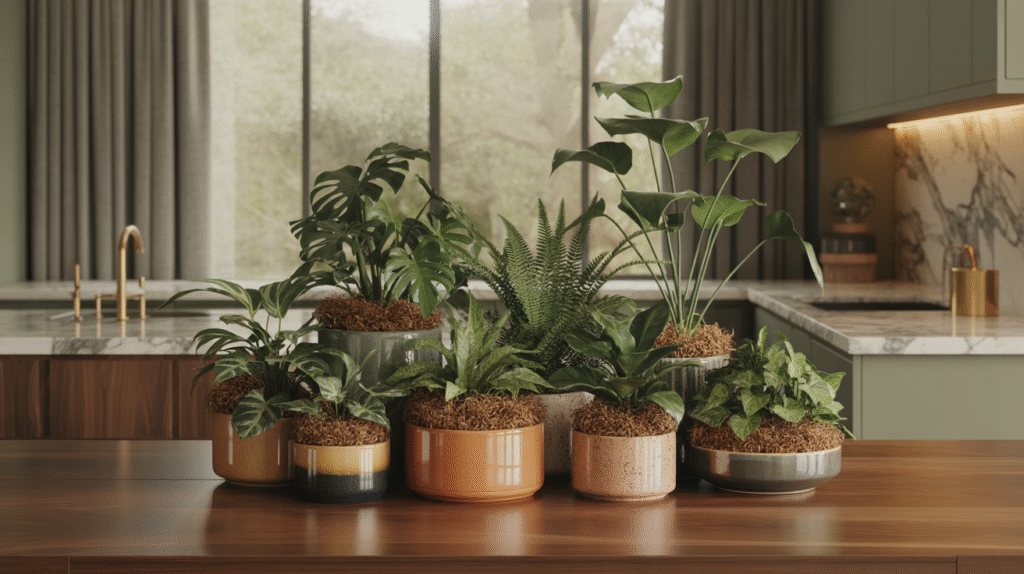
Pots made from breathable materials like terracotta help regulate moisture naturally, while quality indoor potting mix improves airflow and nutrient absorption. With the correct pot and soil combination, plants require less monitoring and recover faster from minor mistakes. These Essential Houseplant Care Tips create a strong base for long-term plant health.
Beginner Gardening Tip: Avoid Oversized Pots
A pot that’s too large holds extra water and slows growth. Selecting the right pot size is a simple but effective part of Essential Houseplant Care Tips.
5: Choose Plants That Grow Slowly and Steadily
Slow-growing indoor plants are perfect for beginners because they require less frequent care and maintenance. These plants don’t need constant pruning, repotting, or adjustments, making them ideal for those just starting out. Choosing steady growers helps beginners enjoy healthy plants without feeling overwhelmed. This approach aligns perfectly with practical Essential Houseplant Care Tips for stress-free plant care.
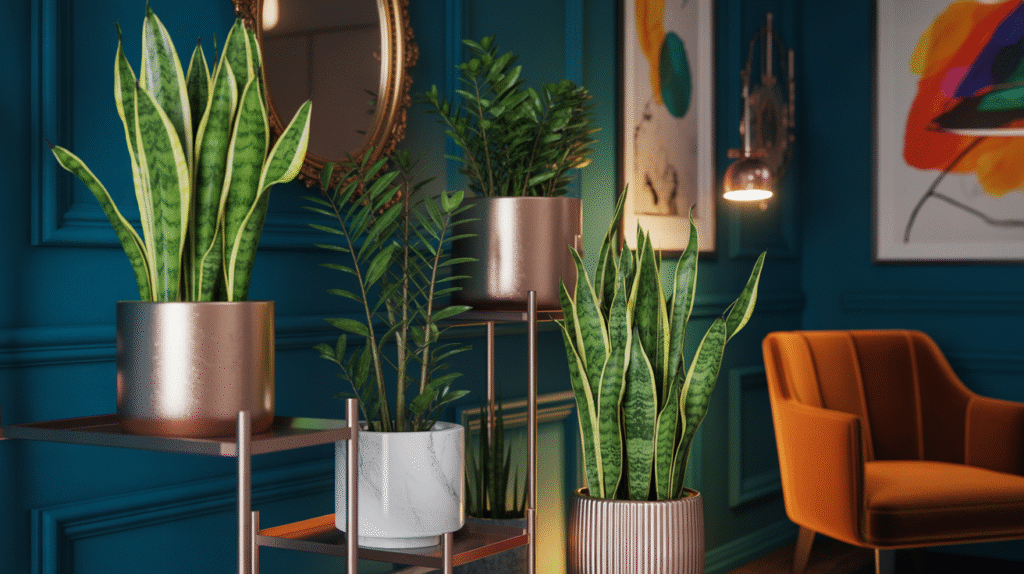
Plants that grow at a moderate pace also adapt better to indoor environments and recover easily from small care mistakes. Their stable growth makes it easier to monitor health changes and respond early if needed. By selecting slow-growing plants, beginners follow smart Essential Houseplant Care Tips that encourage long-term success and confidence.
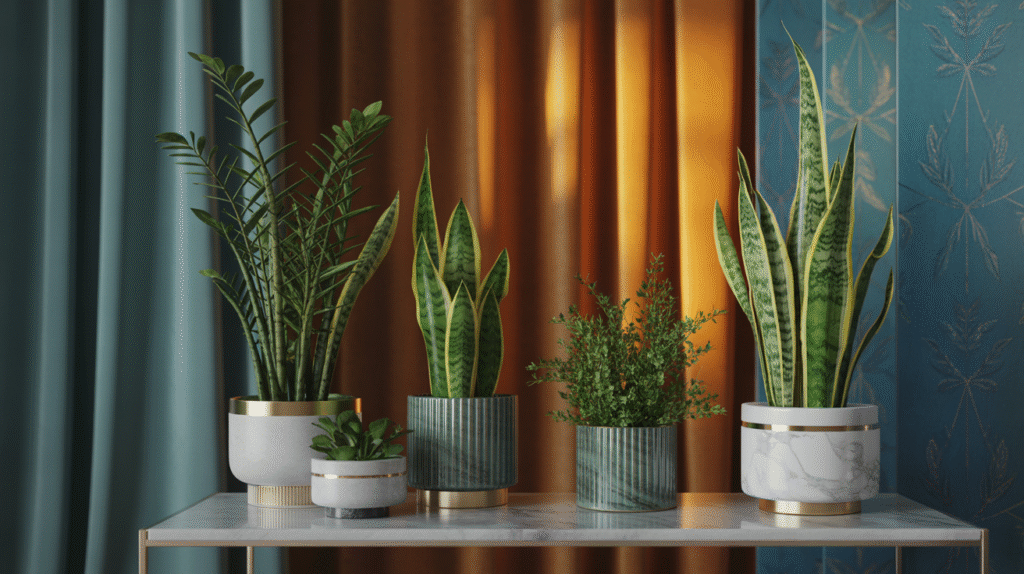
Beginner Gardening Tip: Less Growth, Less Stress
Slow-growing plants stay manageable and predictable, making them a great choice for new plant parents. This is one of the most overlooked yet effective Essential Houseplant Care Tips.
6: Keep Plant Care Simple and Consistent
Beginners often feel pressure to do too much too soon, but simplicity is the key to success with indoor plants. Establishing a basic routine—watering when needed, checking light, and occasional leaf cleaning—is more effective than frequent changes. Consistency helps plants adapt and grow steadily. Following simple routines is one of the most reliable Essential Houseplant Care Tips for beginners.
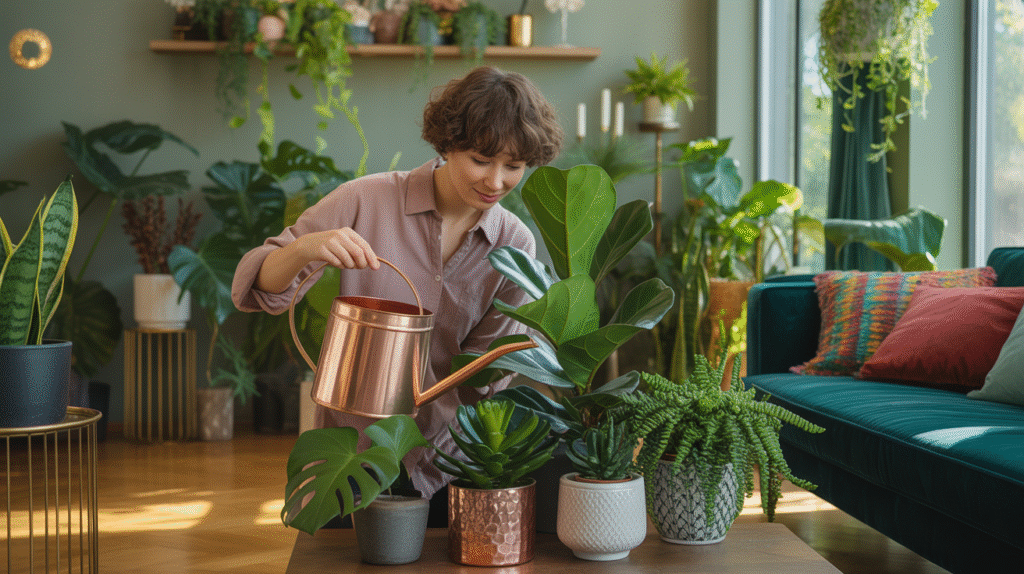
Low-maintenance plants respond best to stable conditions. Constant moving, overwatering, or experimenting can stress plants and slow growth. By keeping care habits simple and consistent, beginners reduce mistakes and enjoy healthier plants. These Essential Houseplant Care Tips make indoor gardening approachable and enjoyable.
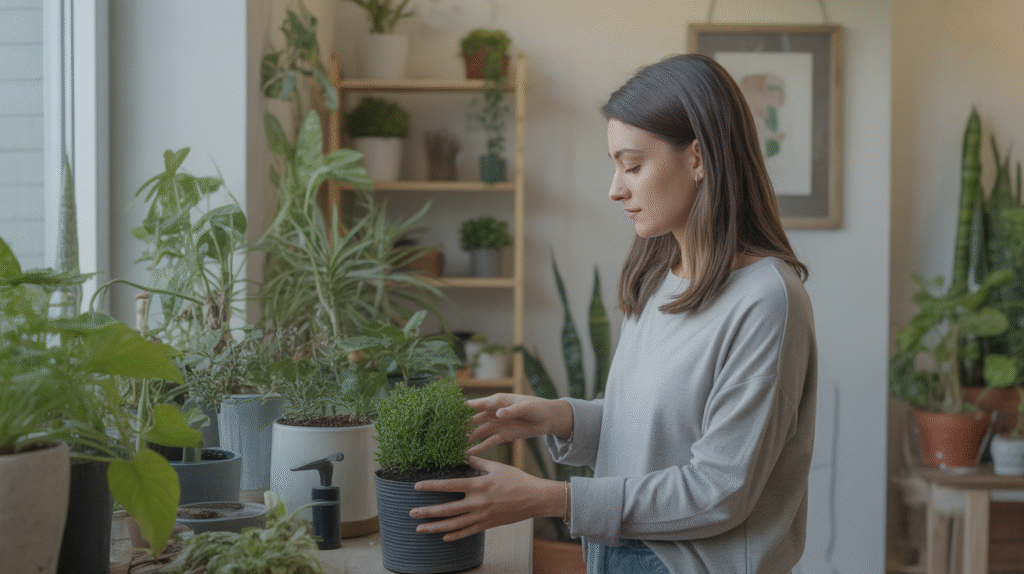
Beginner Gardening Tip: Stick to a Simple Routine
Choose one or two care days per week to check your plants. This habit builds confidence and supports plant health—one of the most beginner-friendly Essential Houseplant Care Tips.
7: Rotate Plants for Balanced Growth
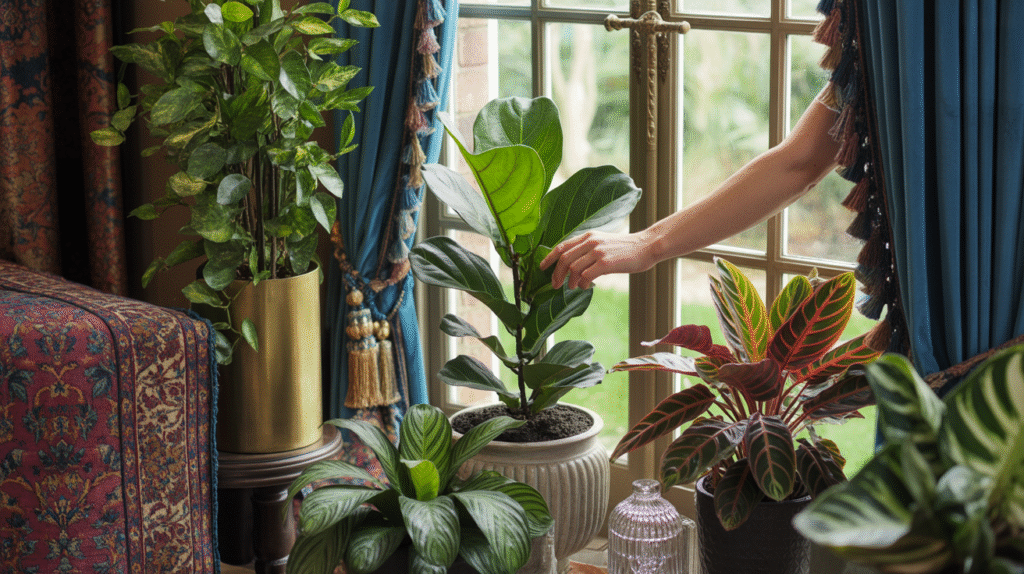
Indoor plants naturally lean toward their light source, which can cause uneven or lopsided growth over time. Rotating your plants slightly every few weeks helps ensure all sides receive equal light exposure. This small habit supports fuller, more balanced plants and is one of the easiest Essential Houseplant Care Tips for beginners.
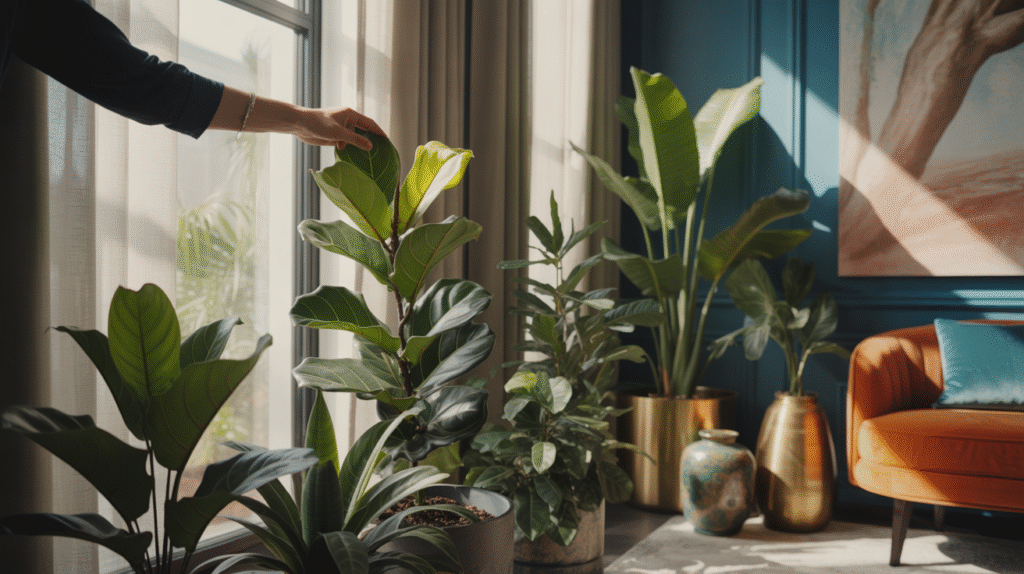
Regular rotation also strengthens stems and keeps foliage evenly spaced, improving the plant’s overall appearance. It takes only a few seconds but makes a noticeable difference in plant health. Beginners who follow this practice often see stronger, more attractive growth with very little extra effort—proof that simple Essential Houseplant Care Tips really work.
Beginner Gardening Tip: Small Turns, Big Results
A gentle quarter-turn every two to three weeks is enough. This quick step is a beginner-friendly way to apply Essential Houseplant Care Tips without changing your routine.
8: Group Beginner Plants to Create a Healthy Environment
Grouping indoor plants together is a simple trick that benefits beginners in multiple ways. When plants are placed close to each other, they naturally help maintain humidity, which supports healthier leaves and steady growth. This method requires no extra tools and fits perfectly with easy Essential Houseplant Care Tips for beginners.
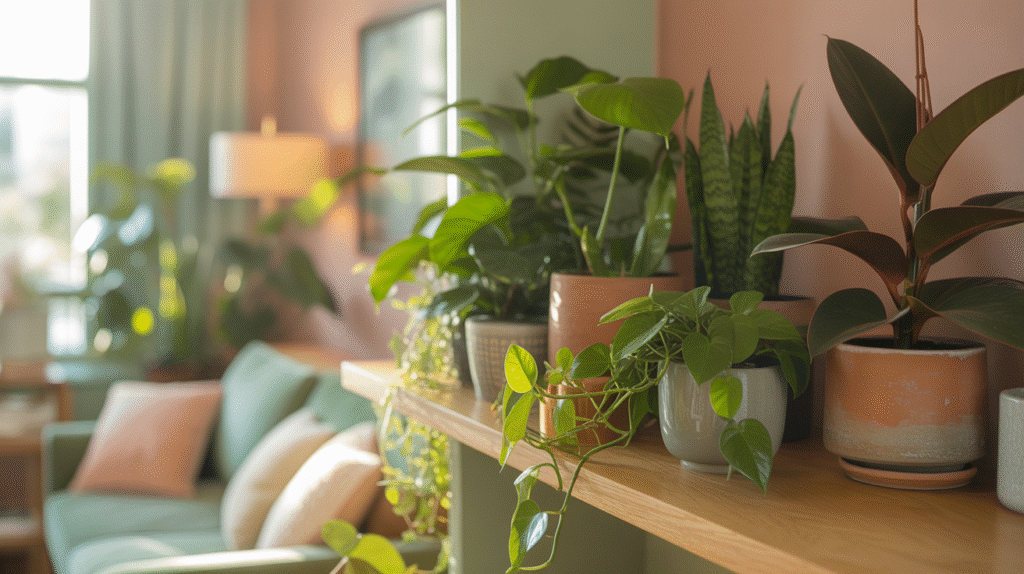
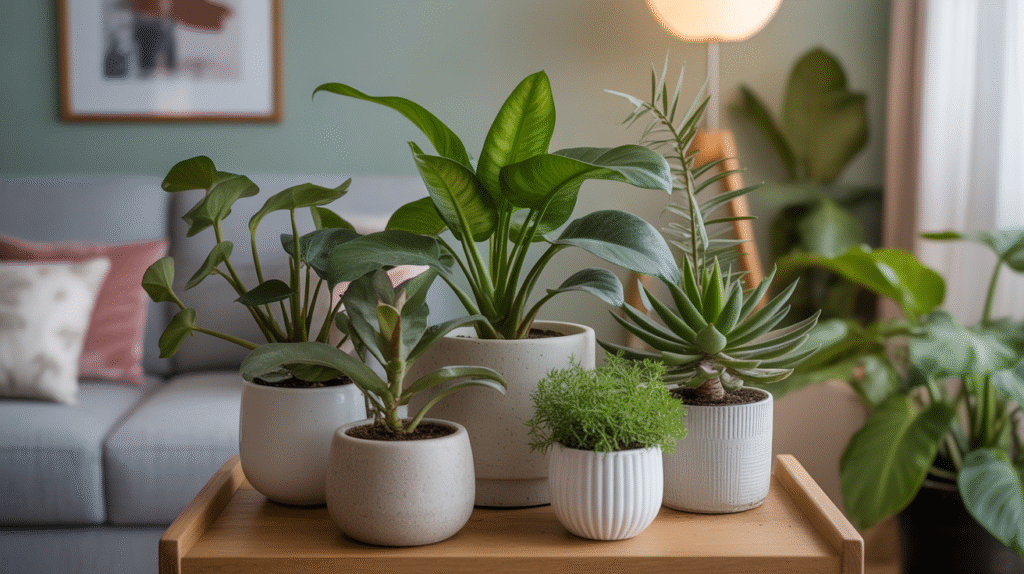
Plant grouping also makes care routines easier by keeping watering, light checks, and rotation organized in one area. Visually, grouped plants create a fuller, more decorative look that enhances your indoor space. Using this approach allows beginners to support plant health naturally while following practical Essential Houseplant Care Tips.
Beginner Gardening Tip: Group by Similar Needs
Place plants with similar light and watering requirements together. This reduces mistakes and is one of the most effective Essential Houseplant Care Tips for new plant owners.
9: Watch for Early Signs of Stress or Pests
Even low-maintenance plants can show signs of stress if something isn’t right. Beginners should regularly check leaves and stems for changes in color, texture, or shape. Yellowing leaves, brown tips, or drooping can signal watering or light issues. Paying attention early is one of the most practical Essential Houseplant Care Tips for preventing bigger problems.
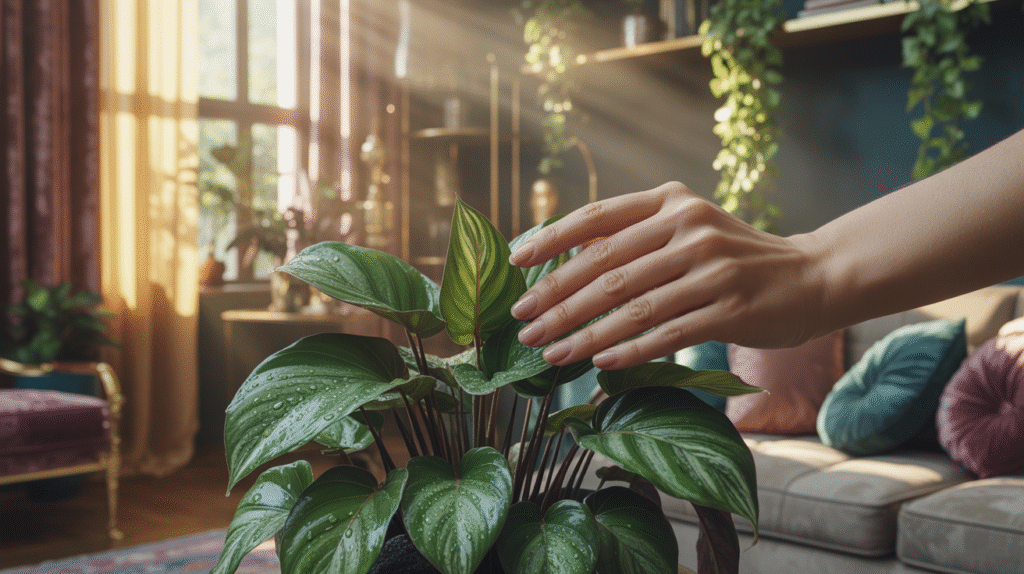
Occasional pests can also appear indoors, but early detection makes them easy to manage. A quick weekly check during watering helps keep plants healthy and thriving. This simple habit builds confidence and supports long-term success by following reliable Essential Houseplant Care Tips.
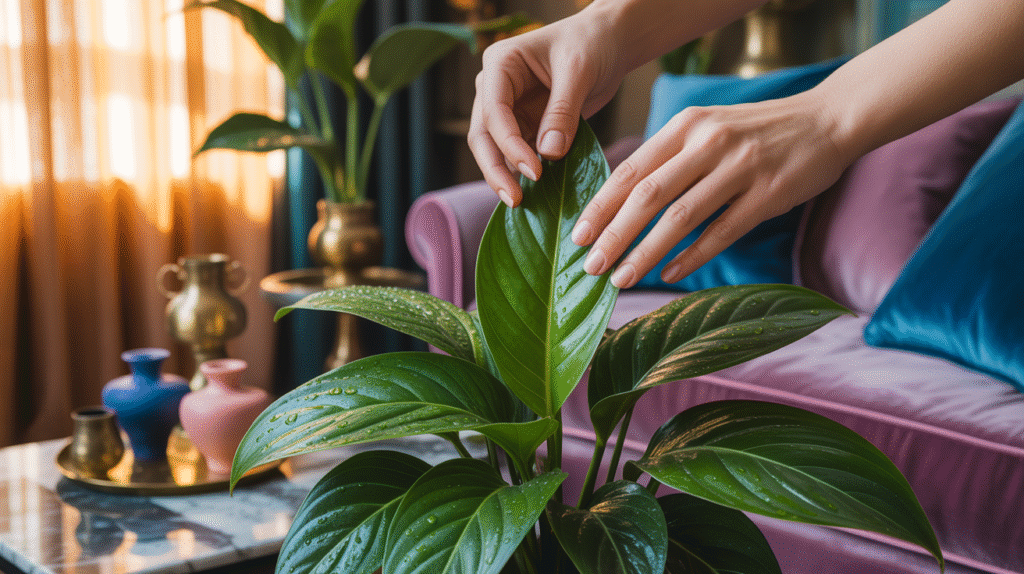
Beginner Gardening Tip: Look Under the Leaves
Checking the underside of leaves helps spot issues early. This small step is a powerful yet easy way to apply Essential Houseplant Care Tips consistently.
10: Be Patient and Let Plants Grow at Their Own Pace
One of the most important lessons for beginners is understanding that indoor plants grow slowly and naturally. New leaves don’t appear overnight, and that’s perfectly normal. Being patient allows plants to adjust to their environment without stress. Accepting slow, steady growth is one of the most overlooked yet powerful Essential Houseplant Care Tips for beginners.
Overhandling, frequent repotting, or constant changes can actually slow progress. When plants are given time and stable conditions, they reward you with healthy foliage and long-lasting beauty. Trusting the process helps beginners enjoy indoor gardening without frustration and supports long-term success using simple Essential Houseplant Care Tips.
Beginner Gardening Tip: Growth Takes Time
Healthy plants grow at their own pace. Consistency and patience are key parts of Essential Houseplant Care Tips that lead to lasting results.
Final Thoughts
Caring for indoor plants as a beginner doesn’t need to be complicated. By selecting low-maintenance, resilient plants and following simple routines—like proper watering, correct light placement, occasional leaf cleaning, and gentle rotation—you can enjoy lush, thriving greenery with minimal effort. These Essential Houseplant Care Tips make indoor gardening approachable, even for busy people or those new to plant care.
Observing your plants, grouping them to create a supportive environment, and acting promptly when issues arise ensures they stay healthy and vibrant. Even small steps, such as checking soil moisture or gently rotating a plant, make a big difference over time. Applying these practical Essential Houseplant Care Tips consistently builds confidence and encourages long-term success.
Ultimately, indoor plants bring life, color, and tranquility to your home. With patience, consistency, and these beginner-friendly strategies, you can cultivate a beautiful indoor garden that thrives all year round, making your space more inviting and refreshing.