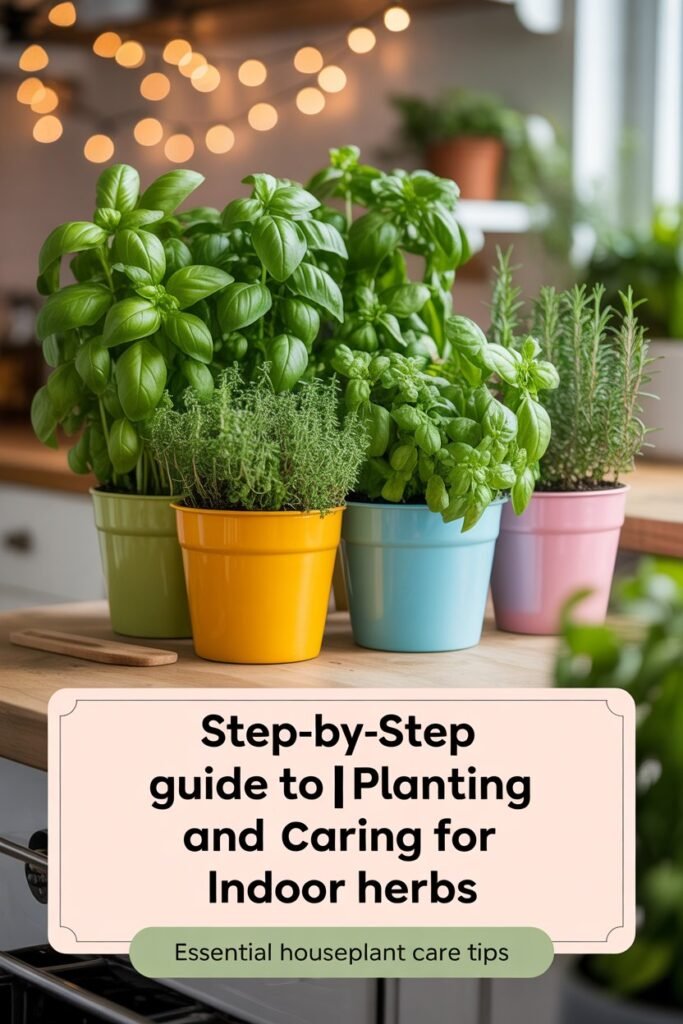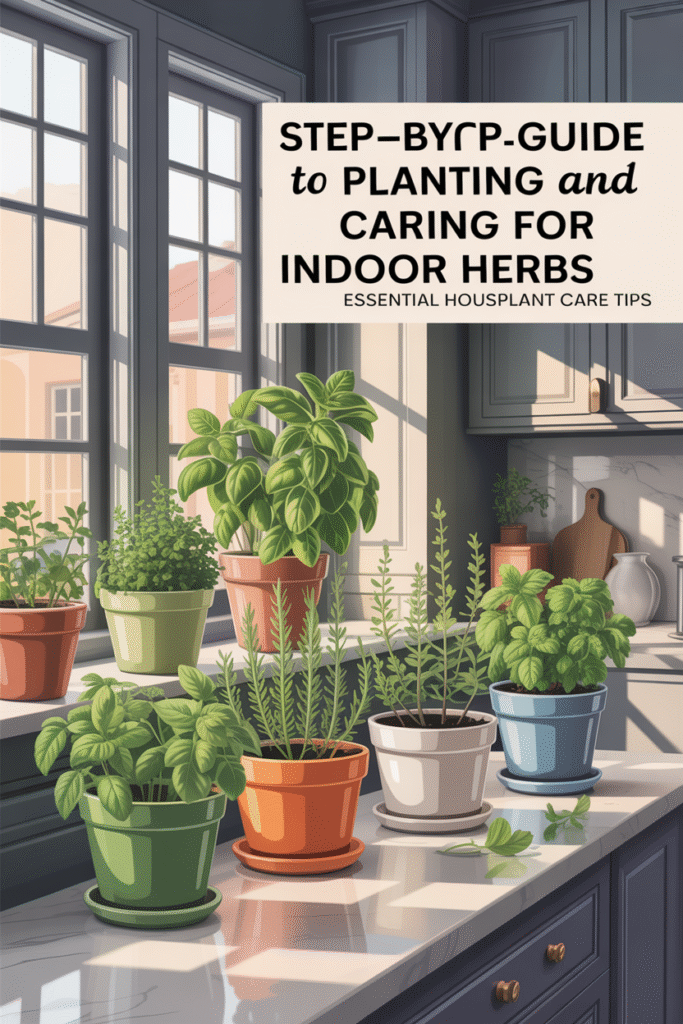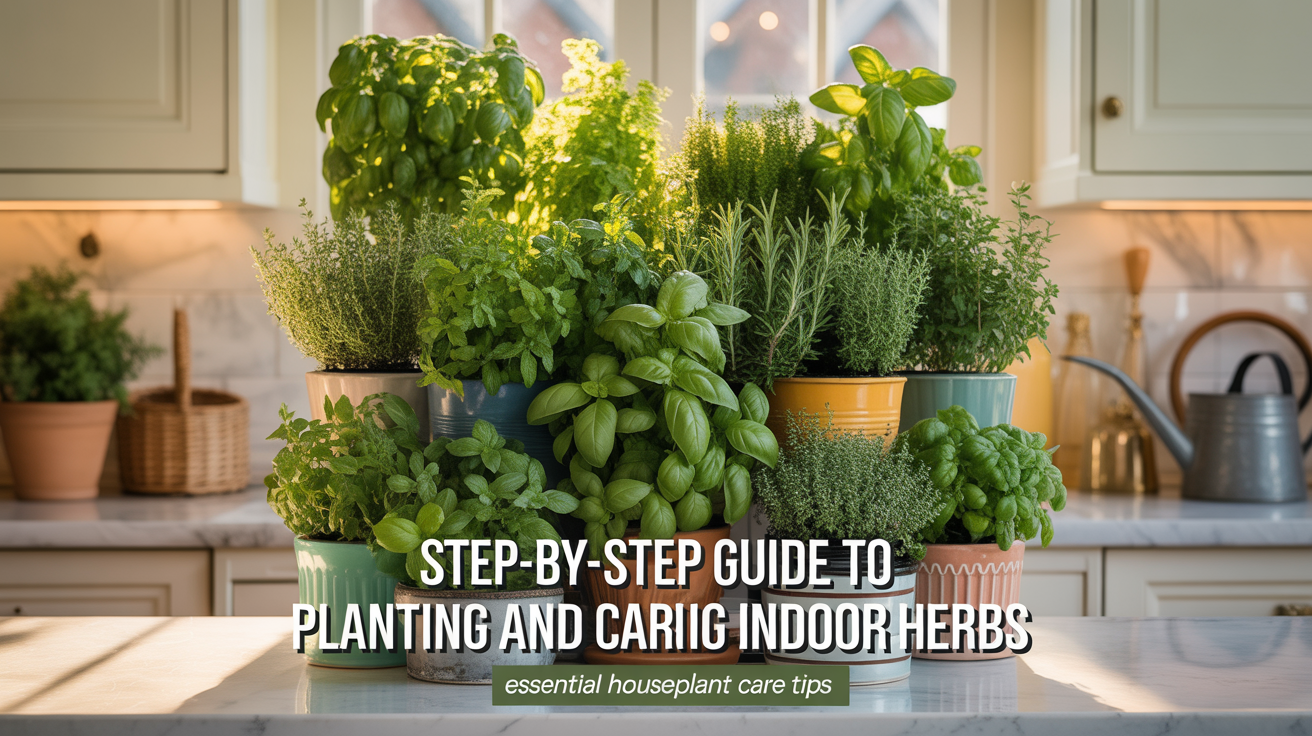
Indoor herbs bring freshness, flavor, and a touch of greenery to any home, whether you have a spacious kitchen or a cozy apartment. Starting your own indoor herb garden might seem daunting at first, but with the right approach and a few essential practices, anyone can cultivate thriving, aromatic herbs. Following simple Essential Houseplant Care Tips ensures your plants remain healthy, productive, and visually appealing throughout the year.
Step-by-Step Indoor Herb Gardening Guide
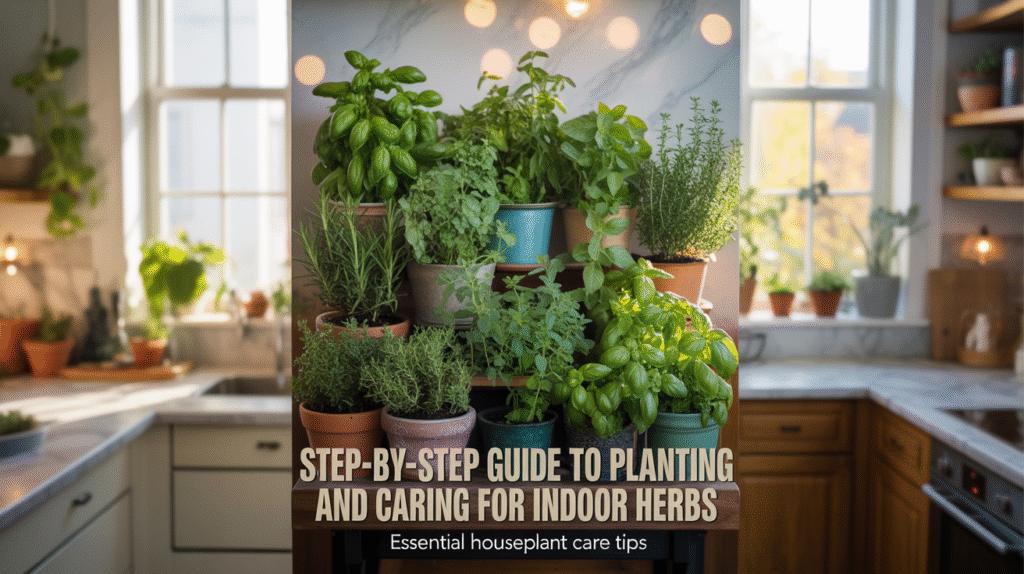
Creating an indoor herb garden is not just about planting; it’s about understanding light, water, soil, and proper placement to maximize growth. Herbs like basil, parsley, mint, and thyme adapt well to indoor conditions, making them perfect for both beginners and busy gardeners. Applying Essential Houseplant Care Tips like proper watering, selecting the right pots, and providing adequate sunlight will help your herbs flourish even in small spaces.
This step-by-step guide will walk you through every aspect of planting and maintaining your indoor herbs. From choosing the right varieties to arranging them effectively on windowsills or shelves, you’ll gain practical insights that make indoor herb gardening enjoyable and stress-free. Implementing these Essential Houseplant Care Tips will transform any corner of your home into a vibrant, aromatic mini-garden.
1: Selecting the Right Herbs for Indoor Gardening
Choosing the right herbs is the foundation of a successful indoor garden. Compact, low-maintenance varieties like basil, chives, parsley, thyme, and oregano are perfect for indoor growing. They adapt well to pots and small spaces, making them ideal for beginners or people with limited time. Selecting appropriate herbs is one of the most crucial Essential Houseplant Care Tips, as it ensures your indoor garden thrives without overcrowding.
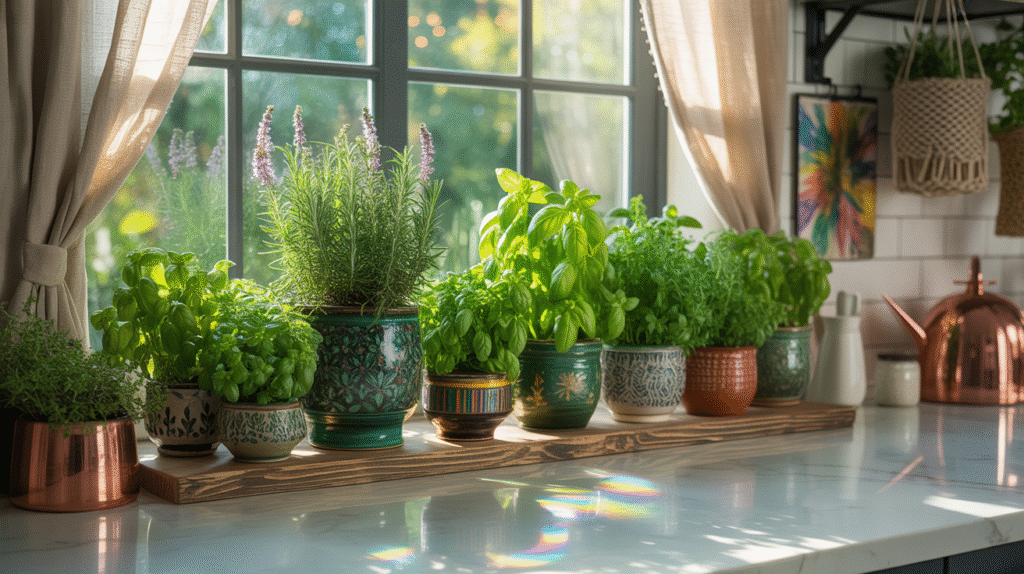
Consider growth habits and light requirements when choosing herbs. Basil and parsley need bright light, while mint and chives can tolerate partial sunlight. Herbs like thyme and oregano remain compact and bushy, ideal for shelves or windowsills. Matching your herbs to the available space and lighting conditions will help maintain healthy growth and prevent frustration.
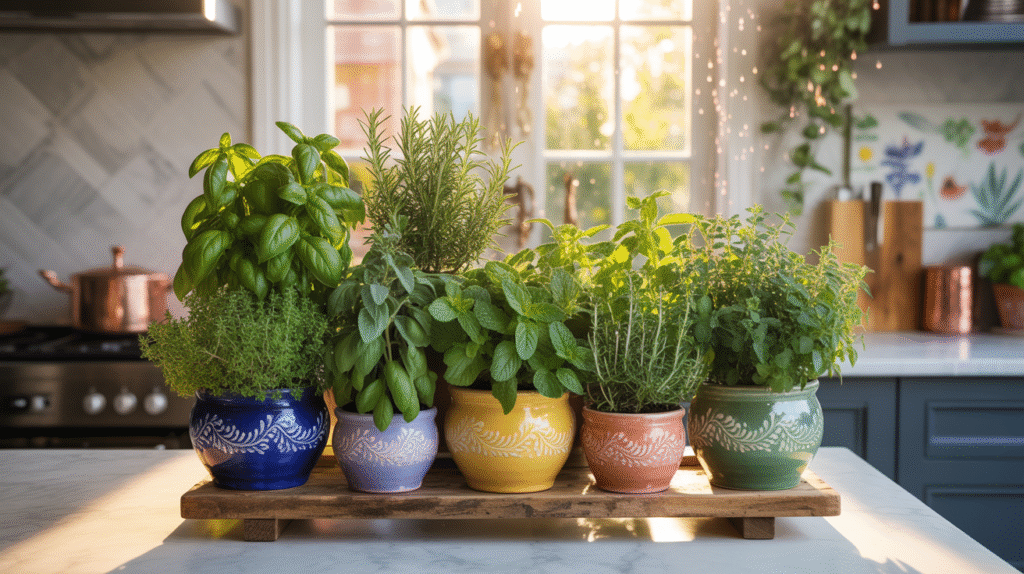
By focusing on beginner-friendly and space-efficient herbs, you can enjoy a productive and diverse indoor garden. Proper herb selection lays the groundwork for applying additional Essential Houseplant Care Tips, including watering, lighting, and pruning, to ensure consistent growth and a lush, green indoor herb display.
2: Choosing the Right Pots and Containers
Selecting the proper pots and containers is essential for a healthy indoor herb garden. Herbs need pots with proper drainage to prevent root rot and ensure optimal growth. Terracotta, ceramic, or plastic pots with drainage holes are ideal choices. Choosing the right container is one of the most important Essential Houseplant Care Tips, as it directly affects water retention, root health, and overall plant vitality.
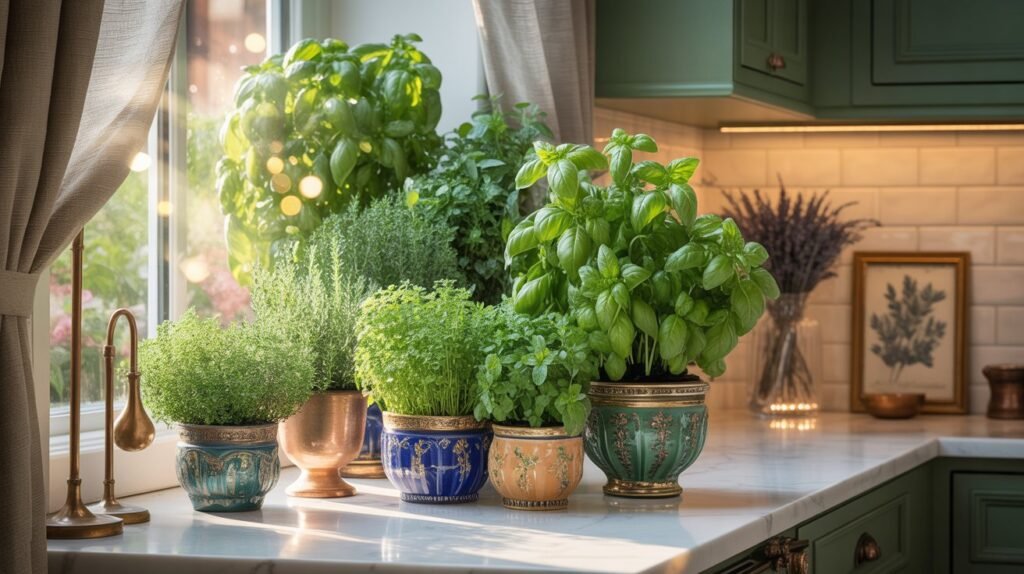
Consider the size and material of your pots. Smaller herbs like chives or thyme do well in compact containers, while larger herbs like basil benefit from slightly bigger pots that give roots room to grow. Matching the pot size to the herb type ensures that your plants thrive without becoming root-bound or stressed.
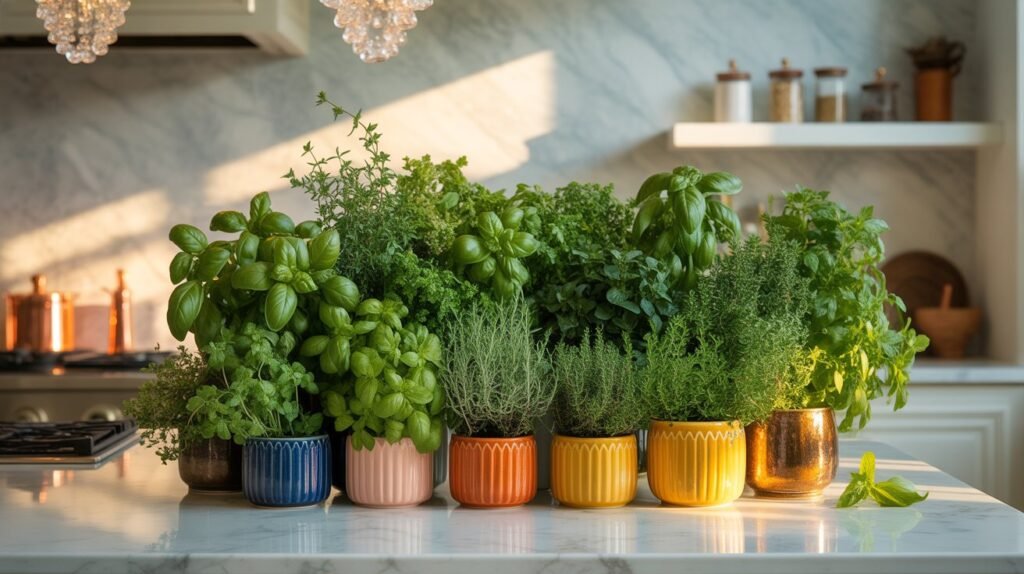
Using stylish and functional containers also enhances the visual appeal of your indoor garden. From sleek modern ceramic pots to rustic terracotta, your choice can complement your kitchen or living space. By carefully selecting the right pots, you’re applying a key Essential Houseplant Care Tips that supports both plant health and aesthetic appeal.
3: Using the Right Soil and Fertilizer
The foundation of a healthy indoor herb garden starts with the right soil. Herbs need well-draining, nutrient-rich soil to thrive. Using a high-quality potting mix designed for indoor plants ensures that roots get adequate oxygen while retaining sufficient moisture. Incorporating organic compost or slow-release fertilizer can further boost plant growth and flavor. This is a crucial step in following Essential Houseplant Care Tips, helping your herbs stay vibrant and productive.
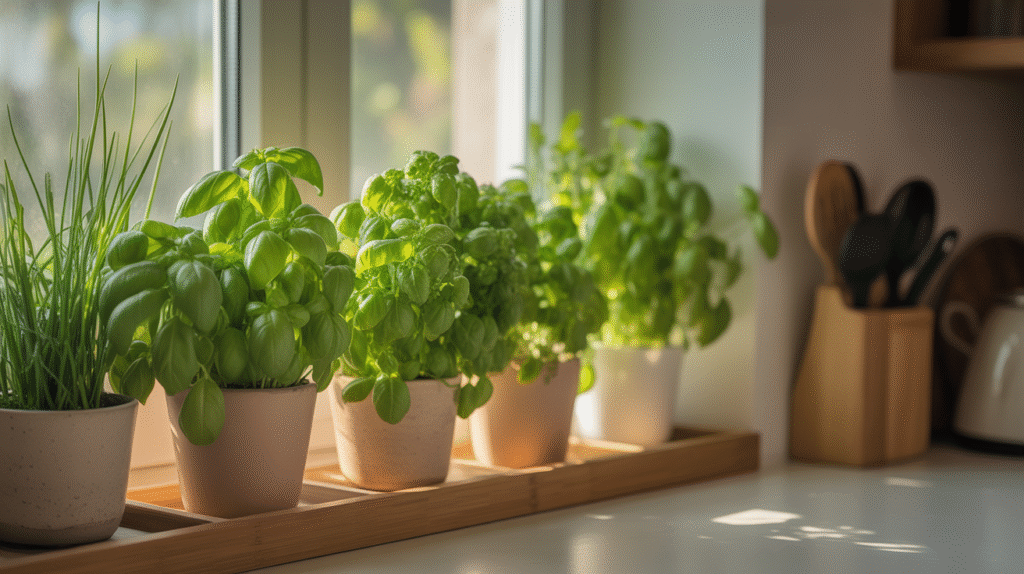
Avoid garden soil, which may compact in pots and hinder proper drainage. Instead, choose soil blends with peat moss, perlite, or vermiculite to maintain the ideal texture. Regular feeding with liquid fertilizer every few weeks keeps your herbs healthy and lush without overloading them with nutrients. Proper soil and fertilization practices ensure strong root development, flavorful leaves, and longer-lasting plants.
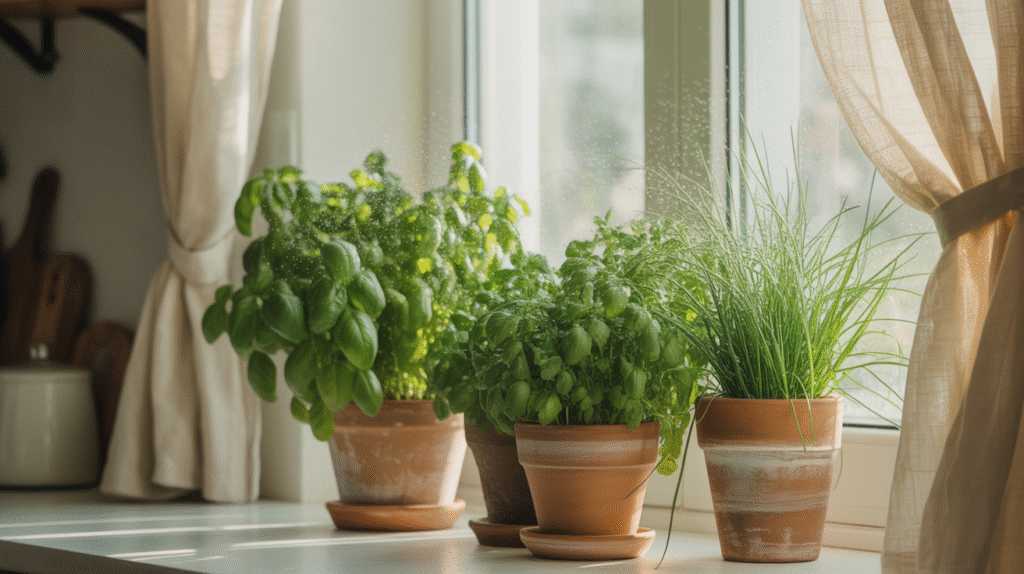
By paying attention to soil quality and feeding routines, even small indoor herb gardens can flourish. Implementing these Essential Houseplant Care Tips allows your herbs to grow robustly, whether they are on a windowsill, shelf, or small kitchen counter.
4: Proper Watering Techniques for Indoor Herbs
Watering is one of the most critical aspects of indoor herb care. Overwatering or underwatering can quickly harm your plants. Most herbs prefer soil that is consistently moist but not soggy. Using a watering can with a narrow spout allows you to control the flow and avoid waterlogging. Following proper watering practices is one of the essential Essential Houseplant Care Tips to keep your indoor herbs thriving.
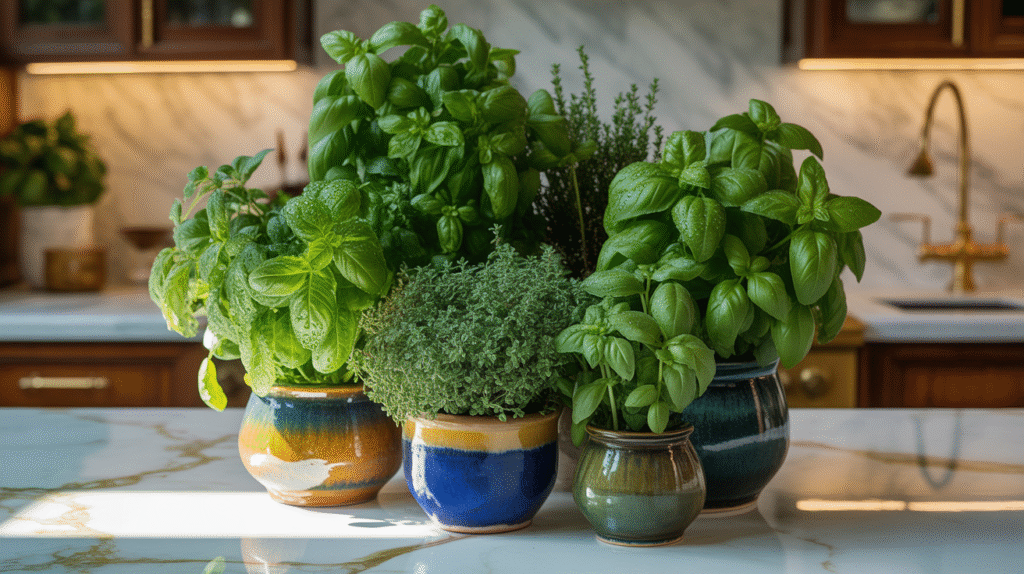
Check the soil regularly by touching the surface; if the top inch feels dry, it’s time to water. Herbs like basil may require more frequent watering, while thyme or oregano prefer slightly drier conditions. Using pots with drainage holes ensures excess water can escape, preventing root rot and promoting healthy growth.
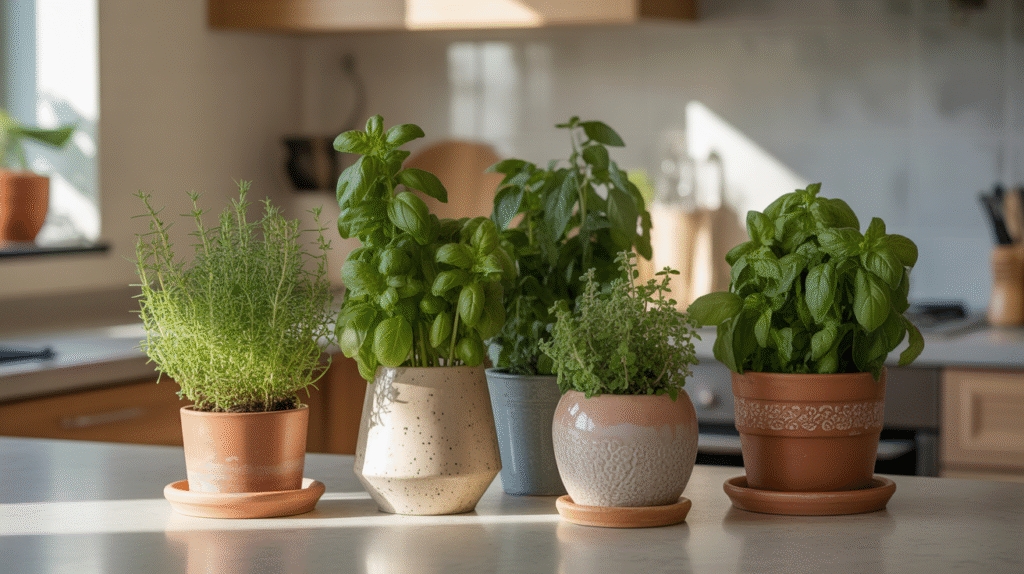
Proper watering not only supports healthy roots but also ensures flavorful leaves and vibrant greenery. By mastering these Essential Houseplant Care Tips, your indoor herb garden will remain lush and productive throughout the year, even in small spaces.
5: Providing Adequate Light for Indoor Herbs
Light is essential for healthy herb growth, as it powers photosynthesis and strengthens stems. Most indoor herbs require bright, indirect sunlight for 6–8 hours a day. Placing your plants on sunny windowsills or using grow lights for areas with limited natural light is a key Essential Houseplant Care Tips for thriving herbs.
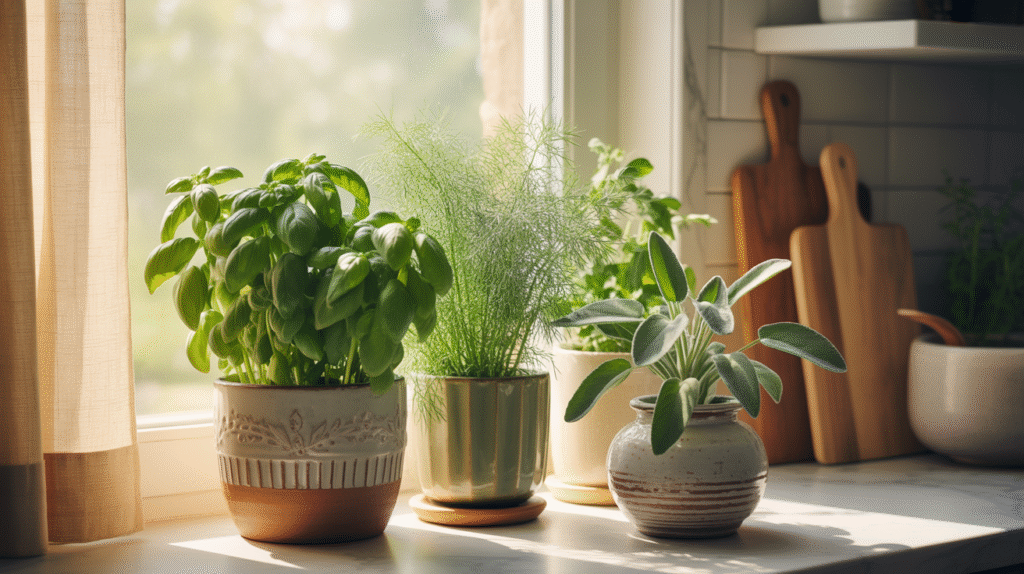
Observe your herbs daily; if leaves appear pale or stretched, they may need more light. Herbs like basil and parsley thrive in direct sunlight, whereas mint and chives can tolerate partial shade. Rotating pots occasionally ensures even growth on all sides and prevents leaning toward the light source.
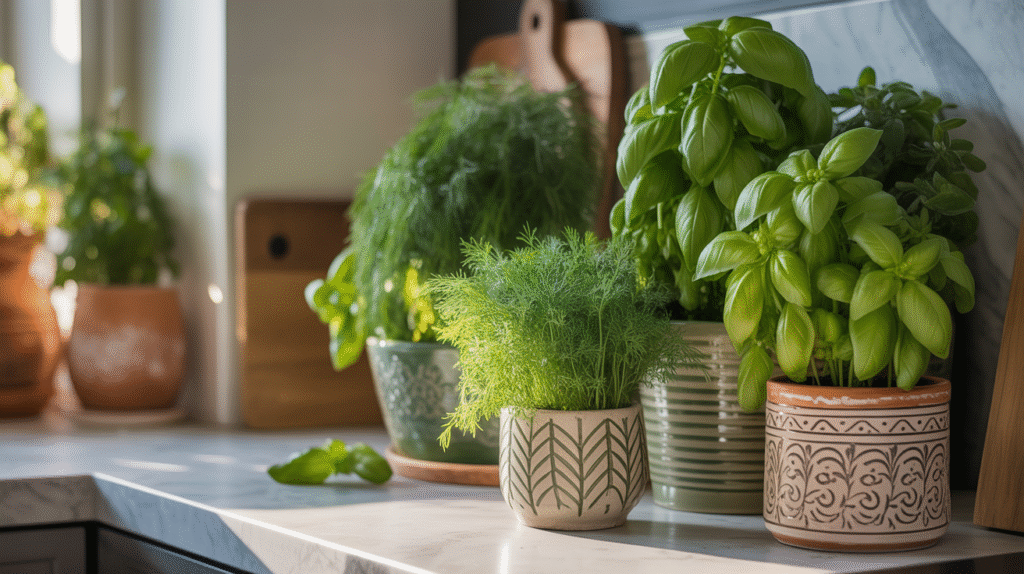
Ensuring your herbs receive sufficient light improves flavor, aroma, and overall plant health. By consistently applying these Essential Houseplant Care Tips, your indoor herb garden will flourish, producing fresh, vibrant leaves ready for culinary use year-round.
6: Pruning and Harvesting Herbs Properly
Pruning and harvesting herbs regularly encourages bushier growth and prevents plants from becoming leggy. Using clean, sharp scissors or pruning shears, snip the top leaves and stems while leaving enough foliage for continued growth. This is one of the most important Essential Houseplant Care Tips, as it keeps your herbs healthy and productive.
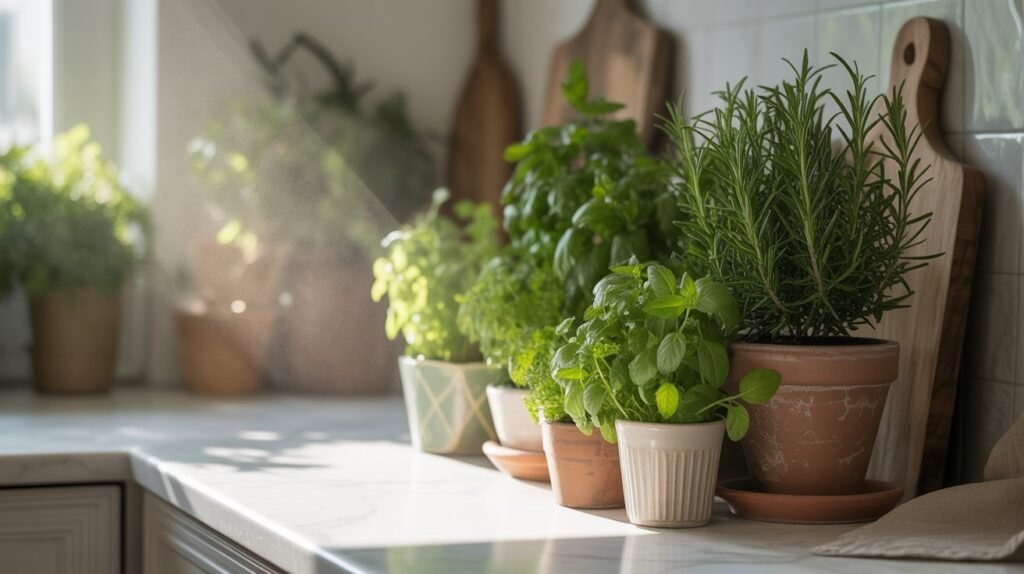
Harvesting herbs at the right time is also crucial. For most herbs, cutting just above a leaf node promotes new growth and ensures a continuous supply of fresh leaves. Avoid removing more than one-third of the plant at a time to prevent stress and maintain strong growth.
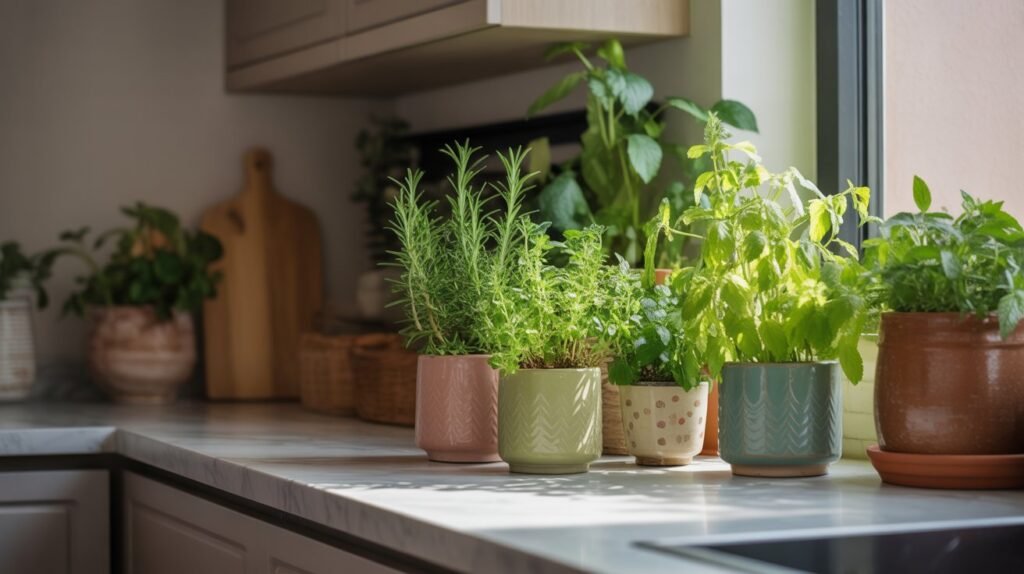
By pruning and harvesting correctly, your indoor herb garden will remain vibrant, lush, and flavorful. Regular maintenance following these Essential Houseplant Care Tips ensures that you enjoy a steady supply of fresh herbs without compromising plant health.
7: Controlling Pests and Common Problems
Even indoor herb gardens can face pests and plant health issues. Common problems include aphids, spider mites, and fungal growth. Regularly inspecting your plants and maintaining cleanliness is one of the key Essential Houseplant Care Tips to prevent infestations and ensure healthy growth.
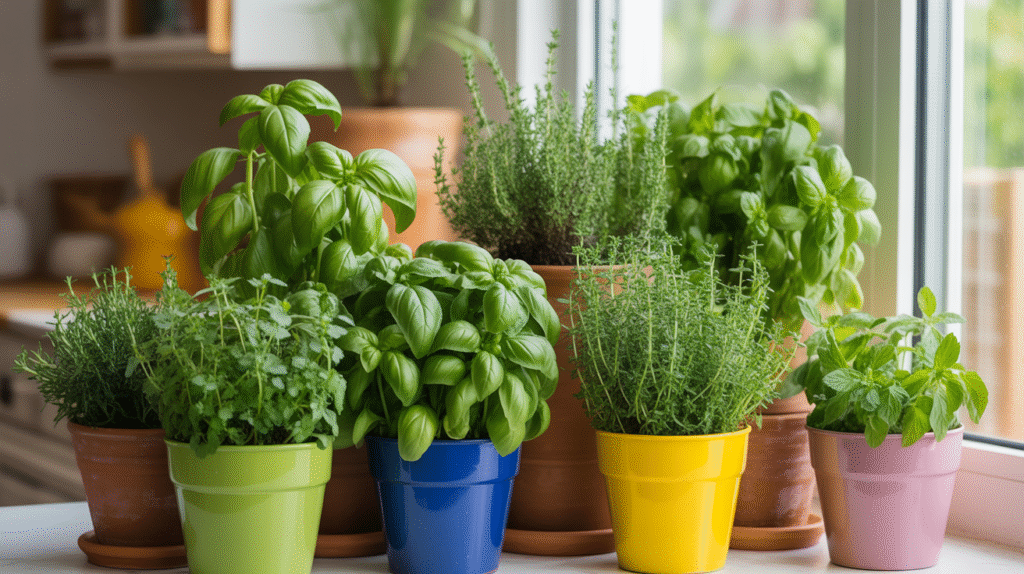
Using natural remedies such as neem oil, insecticidal soap, or simply rinsing leaves with water can effectively manage pests without harming your herbs. Maintaining proper airflow, avoiding overwatering, and ensuring adequate light further prevent fungal or mold problems. Early detection and proactive care keep your plants thriving and flavorful.
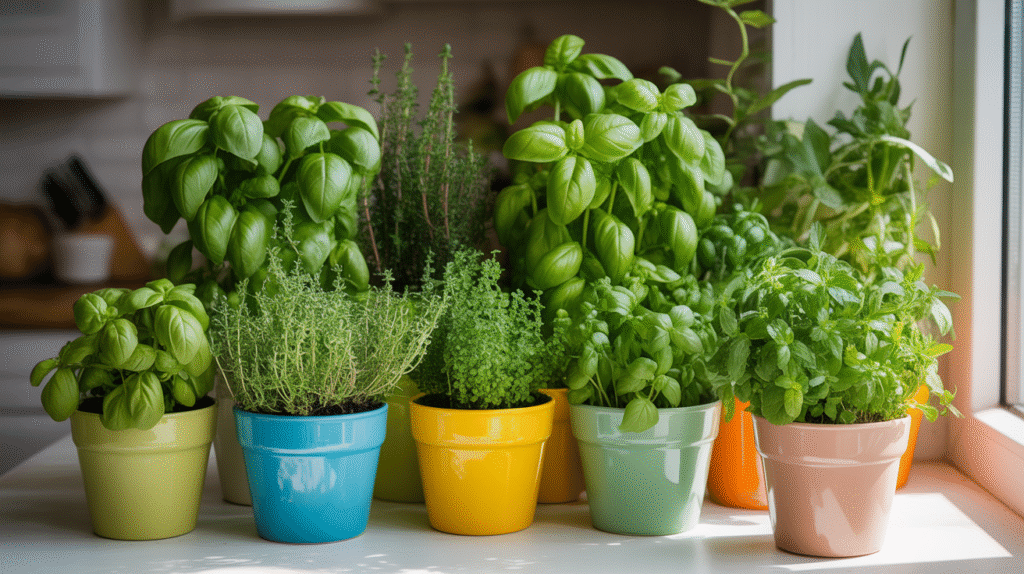
By following these simple strategies, you can minimize pest-related issues while keeping your indoor herb garden vibrant and productive. Consistently applying these Essential Houseplant Care Tips ensures a safe, healthy environment for your herbs all year round.
8: Using Vertical and Space-Saving Techniques
Maximizing limited indoor space is key for successful herb gardening. Vertical gardening techniques, such as using wall-mounted shelves, hanging planters, or tiered stands, allow you to grow multiple herbs without cluttering your countertops. This is one of the most practical Essential Houseplant Care Tips, especially for small kitchens or apartments.
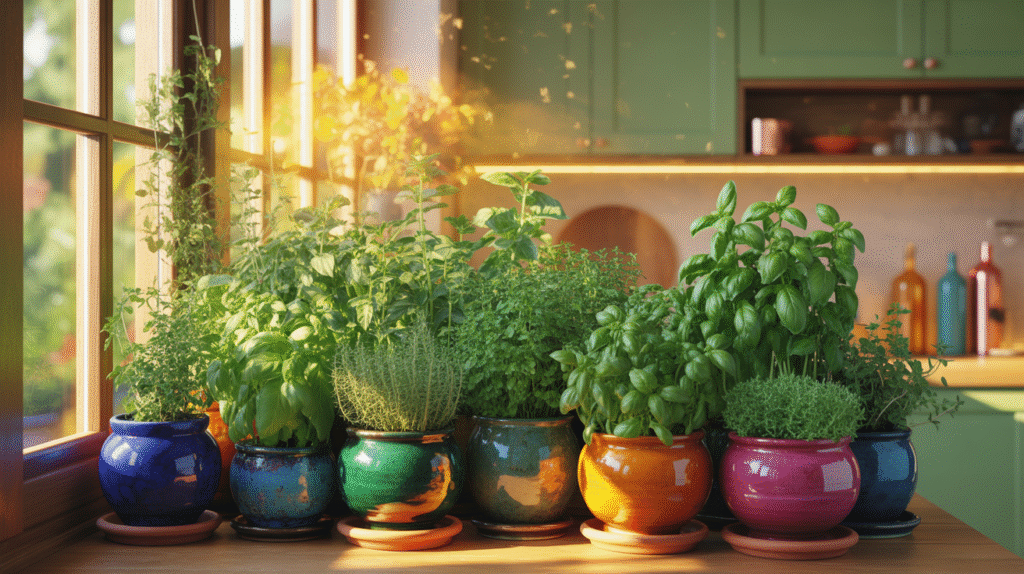
Stacking pots vertically or using tiered racks ensures that each plant receives adequate light and airflow, preventing overcrowding and promoting healthy growth. Combining aesthetic appeal with functionality makes your indoor herb garden not only productive but also visually pleasing.
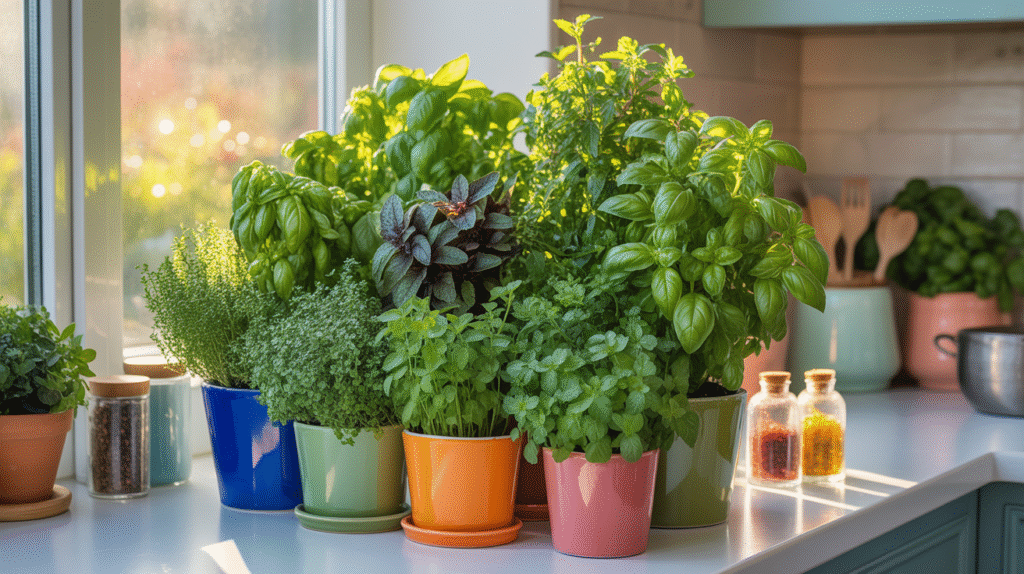
By implementing vertical and space-saving techniques, you can expand your indoor herb collection even in tight spaces. Applying these Essential Houseplant Care Tips ensures that your herbs remain healthy, lush, and easily accessible for cooking.
9: Monitoring Temperature and Humidity
Indoor herbs thrive best in consistent temperatures and moderate humidity. Most herbs prefer temperatures between 65–75°F (18–24°C) and humidity levels around 40–60%. Maintaining the right environment is a key Essential Houseplant Care Tips to promote healthy growth and prevent stress.
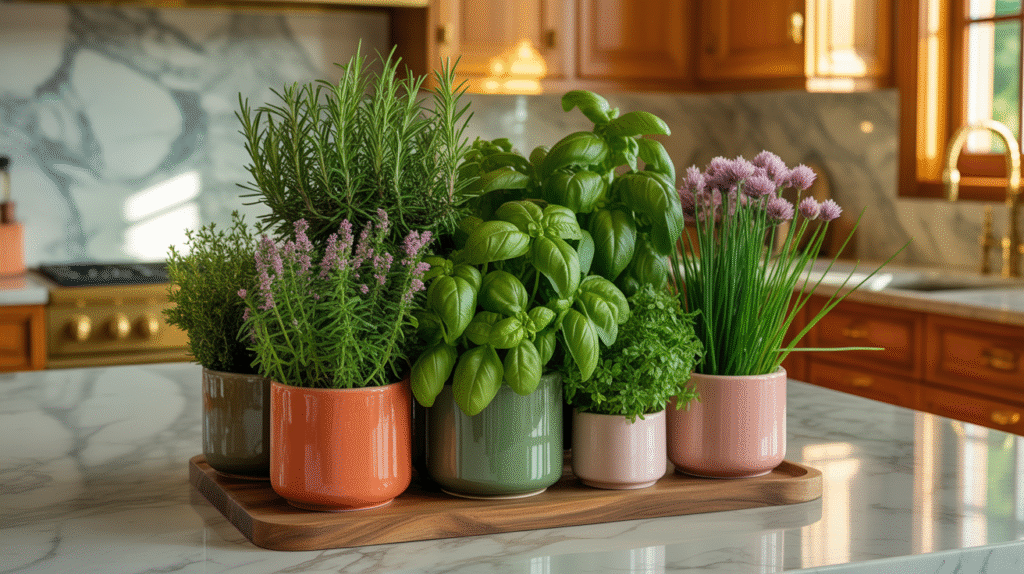
Avoid placing herbs near drafts, radiators, or air conditioners, as sudden temperature changes can harm delicate leaves. Using humidity trays, misting leaves occasionally, or grouping herbs together helps maintain adequate moisture in the air, supporting lush and vibrant growth.
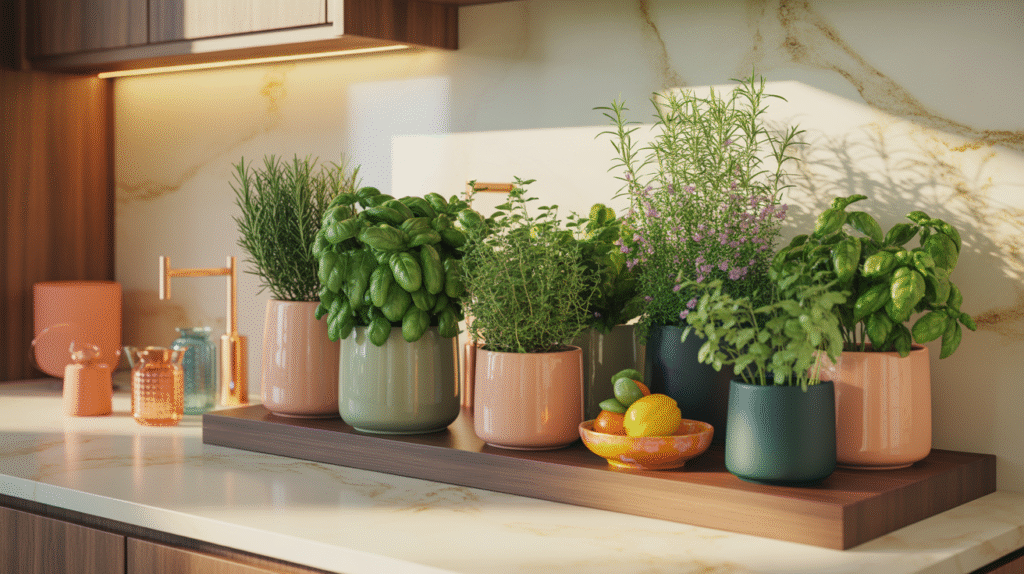
By monitoring and adjusting temperature and humidity, you create a stable environment for your indoor herbs. Applying these Essential Houseplant Care Tips ensures stronger stems, flavorful leaves, and a thriving mini-garden all year round.
10: Keeping Your Indoor Herb Garden Organized and Stylish
A well-organized herb garden is not only functional but also enhances the beauty of your indoor space. Grouping herbs by light requirements, using matching pots, and arranging plants neatly on shelves or windowsills are key Essential Houseplant Care Tips for maintaining an attractive and manageable garden.
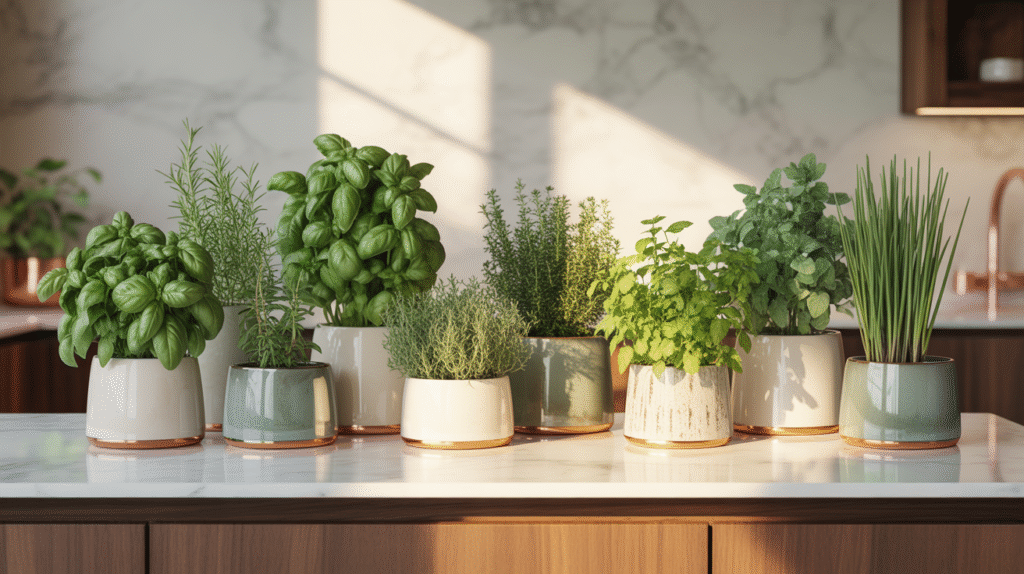
Consider using decorative trays, labels, or tiered stands to create a visually appealing display while keeping plants accessible for watering and harvesting. Combining aesthetics with practicality ensures that your indoor herb garden remains enjoyable and easy to maintain.
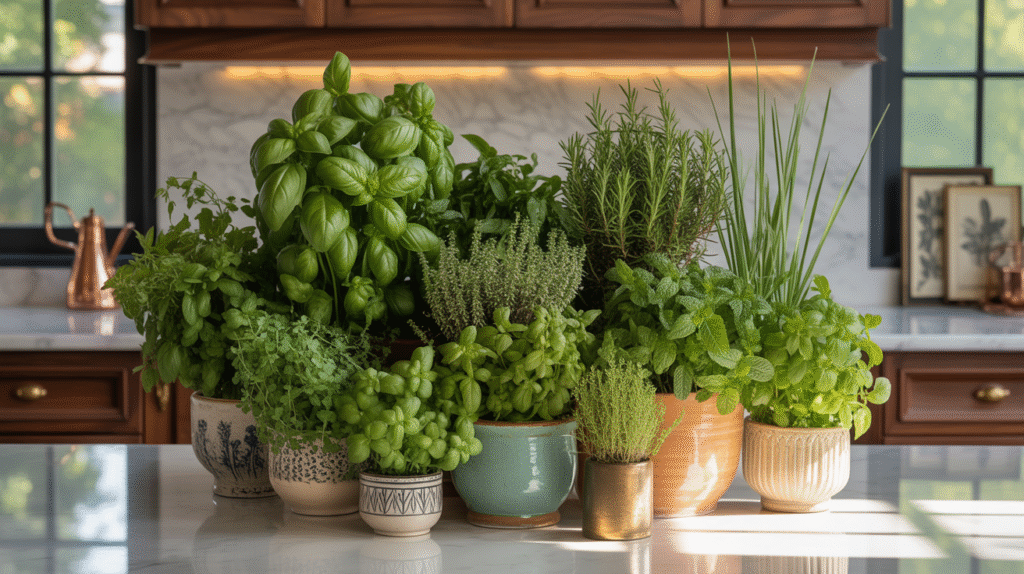
By keeping your herbs organized and stylish, you create a harmonious indoor gardening space that is both productive and beautiful. Applying these Essential Houseplant Care Tips ensures your indoor herb garden remains a lush, aromatic, and inviting part of your home.
Final Thoughts
Creating a thriving indoor herb garden is easier than many beginners think, as long as you follow the right strategies. From selecting the appropriate herbs and containers to mastering watering, lighting, and pruning techniques, every step plays a crucial role in ensuring healthy, flavorful plants. Consistently applying Essential Houseplant Care Tips helps maintain vibrant greenery, aromatic leaves, and a productive mini-garden throughout the year.
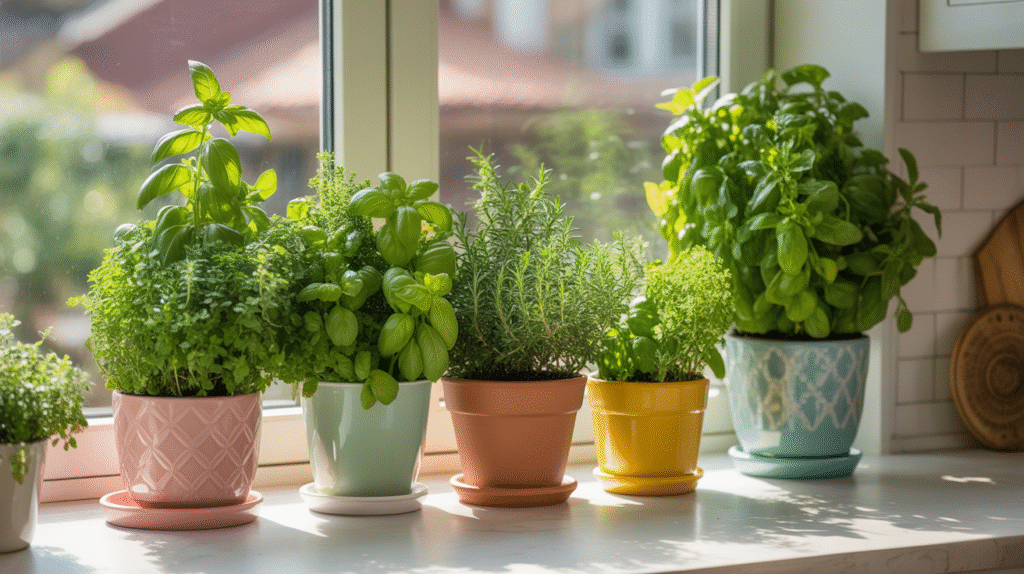
Even with limited space, small kitchens or apartments can host beautiful indoor herb setups by utilizing vertical gardening, proper organization, and attention to environmental conditions like light, temperature, and humidity. With patience and regular care, your indoor herbs will not only provide fresh ingredients for cooking but also add natural beauty to your home.
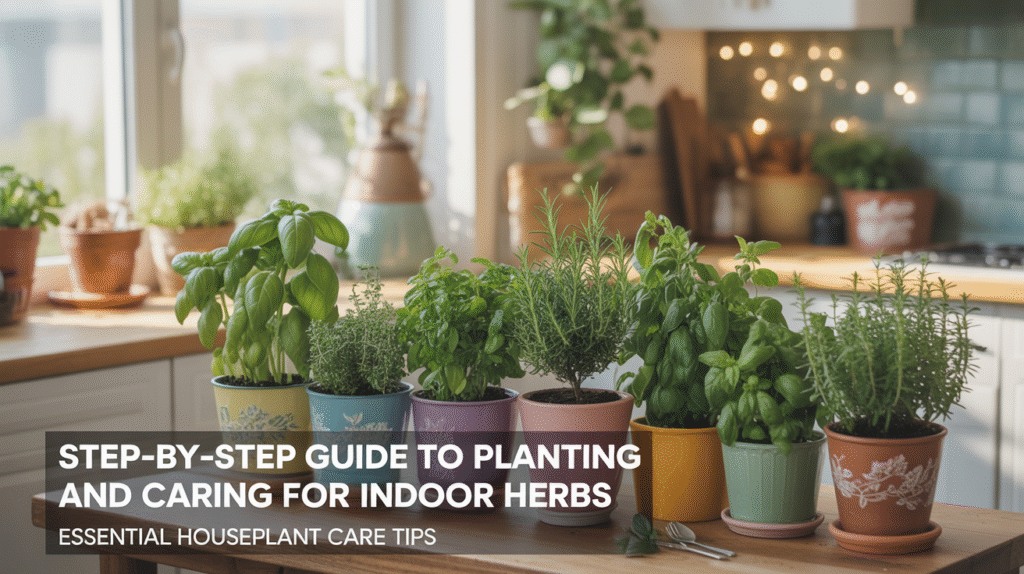
By implementing these practical and easy-to-follow Essential Houseplant Care Tips, anyone can enjoy the satisfaction of a flourishing indoor herb garden. Whether you’re a busy professional, a beginner gardener, or simply someone who loves fresh herbs, this guide empowers you to cultivate your indoor garden with confidence and style.