
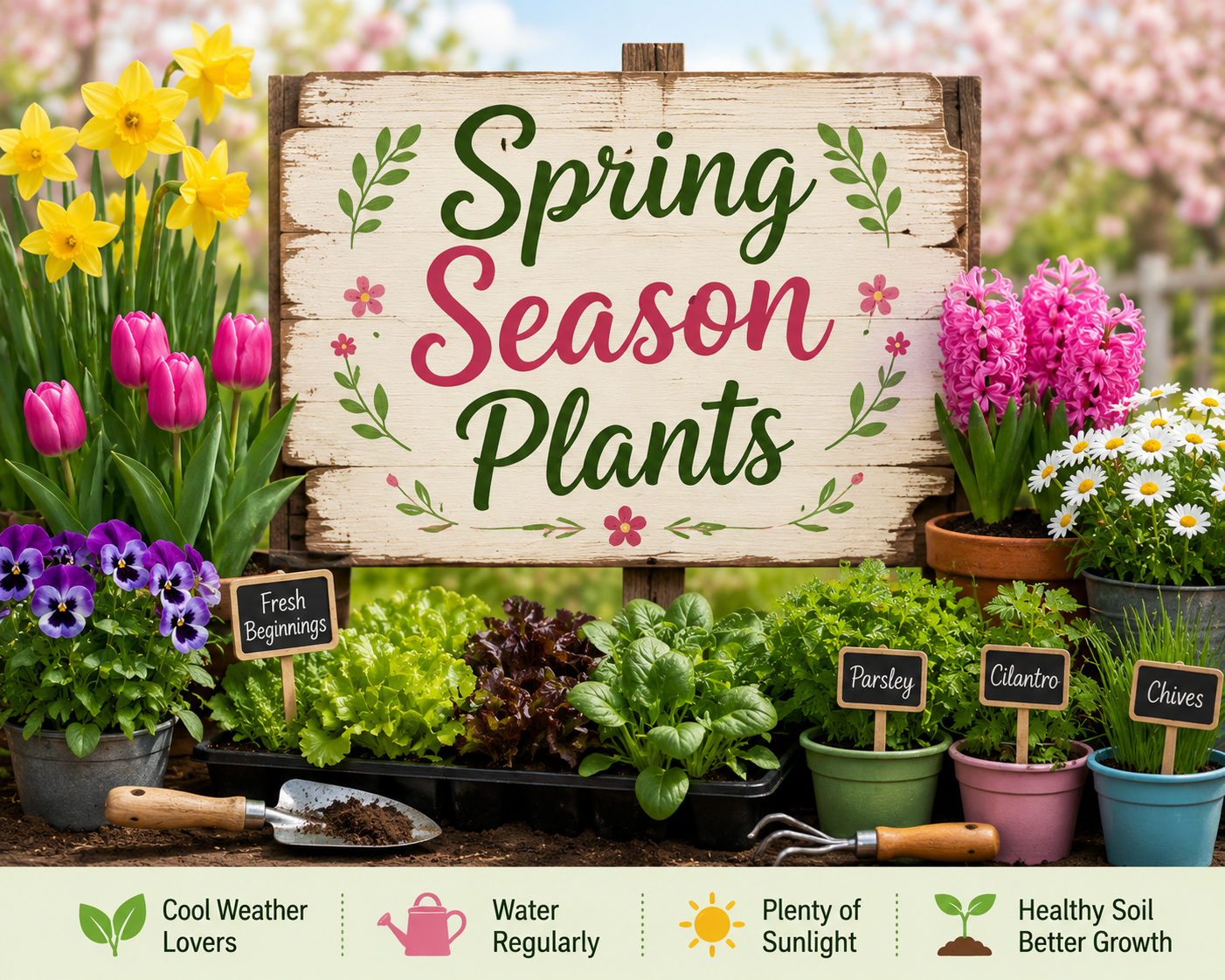
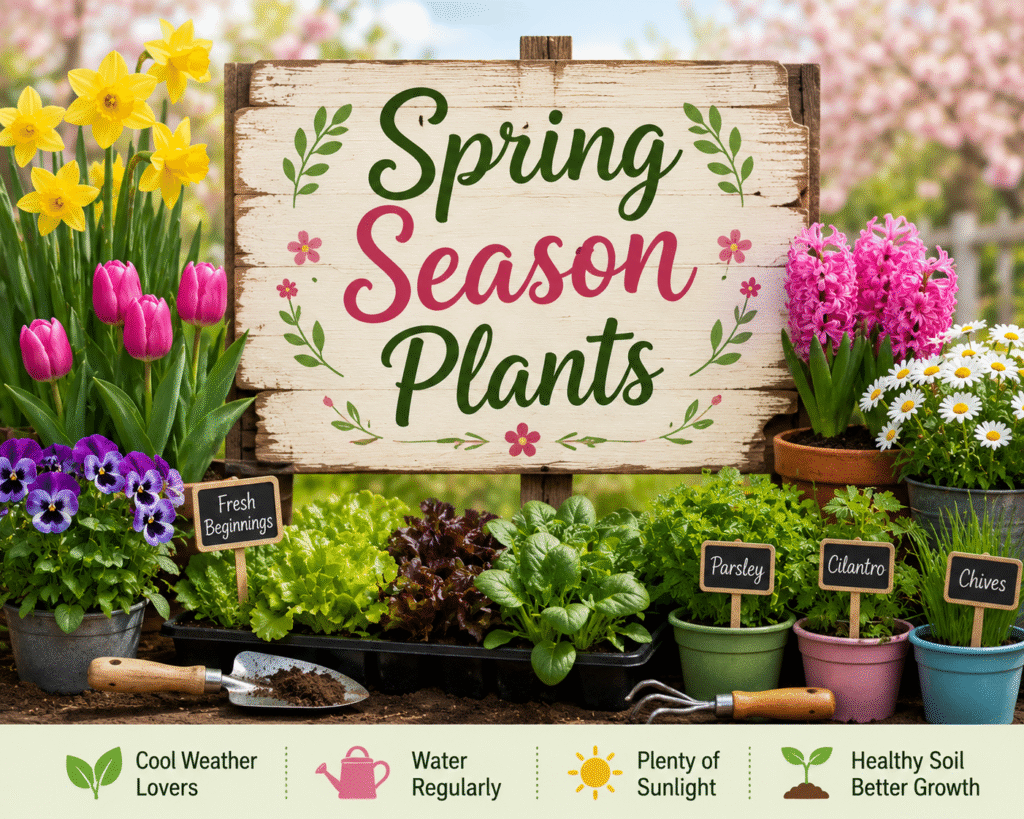
Spring is one of the best seasons for gardening because the weather is cool, the soil begins to warm, and plants receive plenty of sunlight for healthy growth. Many vegetables thrive during this time, making it the perfect opportunity to start a productive home garden. Among the most popular spring season plants are peas, radish, and lettuce. These vegetables are easy to grow, mature quickly, and provide delicious, nutritious harvests throughout the season.
Complete Guide to Growing Peas, Radish, and Lettuce
This detailed guide explains everything you need to know about growing peas, radish, and lettuce as spring season plants, including planting methods, care tips, benefits, and harvesting techniques.
Peas
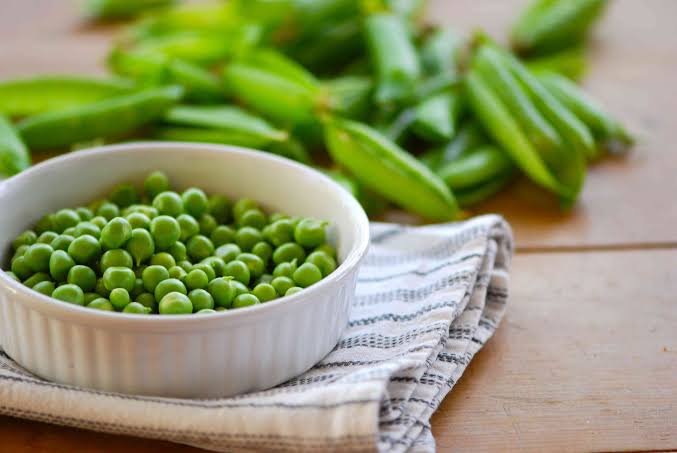
Peas are one of the earliest vegetables planted in spring. They grow best in cool temperatures and produce sweet, tender pods that are rich in nutrients. Peas are climbing plants that require support, making them ideal for vertical gardening.
Best Growing Conditions
- Temperature: 10–24°C (50–75°F)
- Sunlight: 6–8 hours of full sunlight
- Soil: Fertile, loose, and well-drained soil
- Soil pH: 6.0–7.5
Planting Peas
- Sow seeds directly into the garden as soon as the soil can be worked.
- Plant seeds about 1–2 inches deep.
- Space seeds 2 inches apart.
- Install a trellis or support for climbing varieties.
Caring for Peas
- Keep the soil evenly moist.
- Apply compost before planting.
- Mulch around plants to retain moisture.
- Remove weeds regularly.
- Water deeply once or twice a week.
Benefits of Peas
- High in plant-based protein.
- Rich in vitamins A, C, and K.
- Good source of fiber for healthy digestion.
- Improve soil fertility by fixing nitrogen.
- Produce abundant harvests during spring.
Harvesting
Harvest peas when the pods are bright green, full, and tender. Picking pods regularly encourages the plant to produce more peas.
Radish
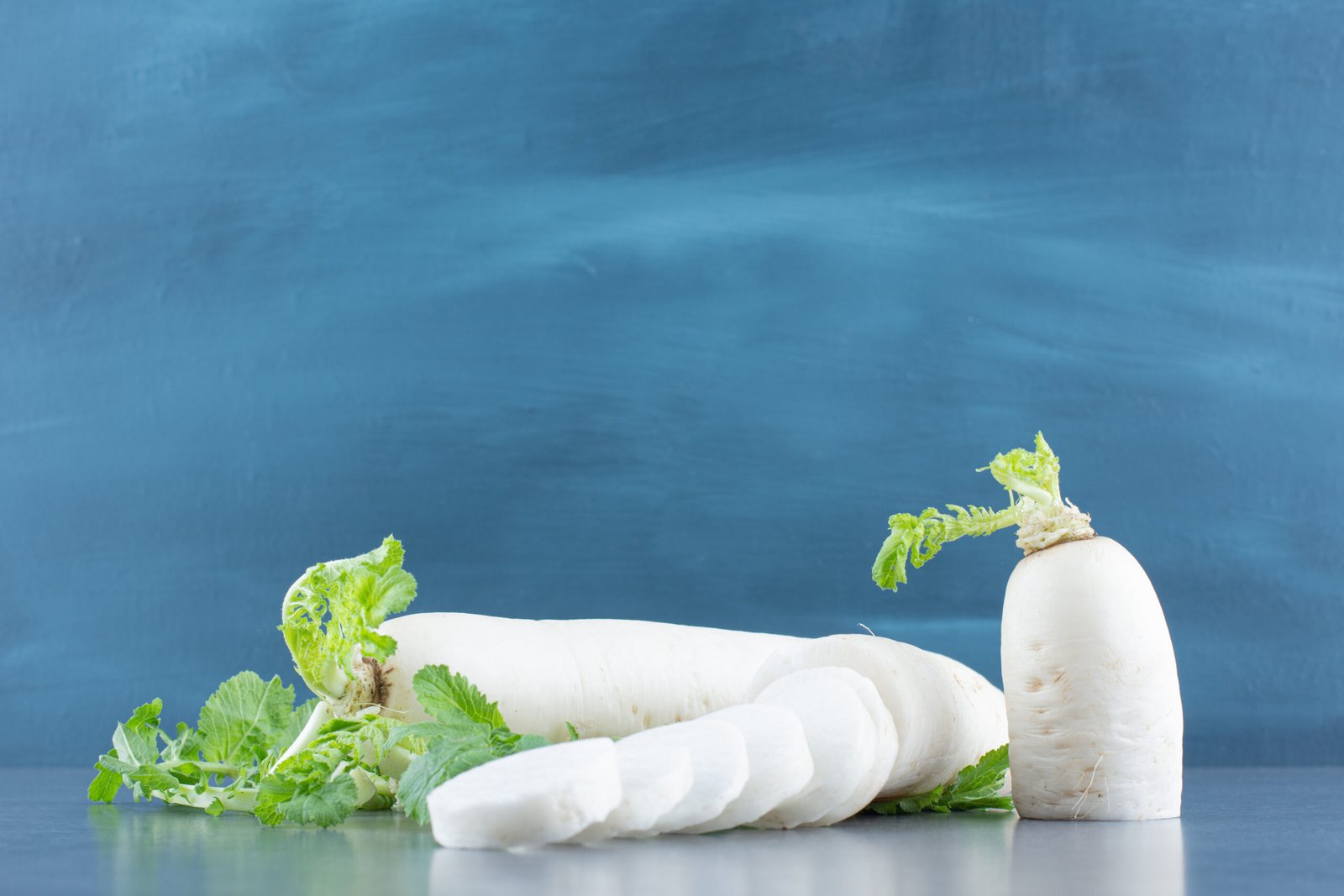
Radishes are among the fastest-growing spring season plants, making them perfect for beginner gardeners. Most varieties are ready to harvest within a month of planting.
Best Growing Conditions
- Temperature: 10–21°C (50–70°F)
- Sunlight: Full sun to partial shade
- Soil: Loose, fertile, well-drained soil
- Soil pH: 6.0–7.0
Planting Radish
- Sow seeds directly into the garden.
- Plant seeds about ½ inch deep.
- Space plants 2–3 inches apart.
- Sow new seeds every two weeks for continuous harvests.
Caring for Radish
- Keep the soil consistently moist.
- Thin seedlings to allow proper root growth.
- Remove weeds regularly.
- Avoid allowing the soil to dry completely.
Benefits of Radish
- Rich in vitamin C and antioxidants.
- Supports healthy digestion.
- Low in calories and high in water content.
- Ready to harvest in only 3–5 weeks.
- Helps improve soil structure.
Harvesting
Harvest radishes while they are young and firm. Overgrown radishes may become woody and overly spicy.
Lettuce
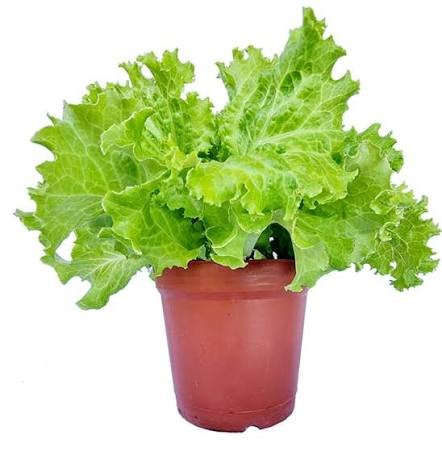
Lettuce is one of the easiest leafy vegetables to grow during spring. It prefers cool temperatures and produces crisp, tender leaves that are perfect for fresh salads and sandwiches.
Best Growing Conditions
- Temperature: 10–21°C (50–70°F)
- Sunlight: 6 hours of sunlight daily
- Soil: Moist, fertile, well-drained soil
- Soil pH: 6.0–7.0
Planting Lettuce
- Sow seeds directly into the soil or transplant seedlings.
- Plant seeds about ¼ inch deep.
- Space plants 8–12 inches apart.
- Sow new seeds every few weeks for a continuous supply.
Caring for Lettuce
- Water regularly to keep the soil moist.
- Mulch around plants to retain moisture.
- Remove weeds promptly.
- Protect young plants from late frosts if necessary.
Benefits of Lettuce
- Rich in vitamins A, C, and K.
- High water content helps maintain hydration.
- Low in calories and ideal for healthy diets.
- Good source of dietary fiber.
- Easy to grow for beginners.
Harvesting
Harvest outer leaves as they mature or cut the entire head when it reaches full size. Early morning harvesting provides the freshest leaves.
General Care Tips for Spring Season Plants
To grow healthy spring season plants, follow these essential gardening practices:
- Prepare the soil with compost before planting.
- Water consistently, especially during dry periods.
- Apply organic mulch to conserve moisture.
- Ensure plants receive adequate sunlight.
- Remove weeds regularly to reduce competition.
- Monitor plants for pests and diseases.
- Feed plants with balanced organic fertilizer when needed.
- Harvest vegetables regularly to encourage continued production.
Common Problems and Solutions
Poor Germination
- Plant seeds in moist, well-prepared soil.
- Avoid planting too deeply.
Yellow Leaves
- Check watering habits.
- Add compost or balanced fertilizer if nutrients are lacking.
Pest Damage
- Inspect plants regularly for aphids, slugs, and caterpillars.
- Use natural pest-control methods when possible.
Slow Growth
- Ensure plants receive enough sunlight.
- Improve soil fertility with organic matter.
Why Grow Spring Season Plants?
Growing spring season plants offers many benefits:
- Fresh, healthy vegetables at home.
- Lower grocery costs.
- Improved soil health.
- Beautiful and productive gardens.
- Supports bees and butterflies.
- Great gardening experience for beginners.
- Encourages outdoor activity and healthy living.
Conclusion
Spring season plants such as peas, radish, and lettuce are excellent choices for home gardeners. They thrive in cool spring weather, grow quickly, and provide nutritious harvests with minimal care. By preparing fertile soil, watering regularly, providing sufficient sunlight, and harvesting at the right time, you can enjoy a productive garden throughout the spring season. Whether you are new to gardening or have years of experience, these vegetables are rewarding to grow and will supply your kitchen with fresh, healthy produce for weeks to come.