Indoor plants bring life, beauty, and freshness into any home, but even the most well-loved houseplants can develop problems over time. Yellow leaves, wilting stems, brown tips, slow growth, and leaf drop are common issues that signal something isn’t quite right. These problems often arise from simple care mistakes related to watering, lighting, soil quality, or environmental stress, and understanding them is the key to long-term plant success.
Top Indoor Plant Problems and How to Solve Them | Essential Houseplant Care Tips
By following Essential Houseplant Care Tips, you can quickly identify what your plant is trying to tell you and apply the right solution. Most indoor plant problems are not permanent and can be fixed with small, consistent adjustments. Learning how to read plant signals helps prevent frustration and saves plants before damage becomes severe.
Healthy houseplants not only improve indoor air quality but also enhance home décor and create a calming atmosphere. With the right knowledge, routine observation, and reliable Essential Houseplant Care Tips, you can troubleshoot common indoor plant problems confidently and enjoy lush, thriving greenery throughout your living space.
1: Yellow Leaves on Indoor Plants
Yellow leaves are one of the most common indoor plant problems and can be caused by overwatering, underwatering, poor drainage, nutrient deficiencies, or inadequate light. Sometimes yellowing begins at the lower leaves, while other times it appears across the entire plant, offering clues about the underlying issue. Identifying the pattern of yellowing is essential for choosing the correct solution.
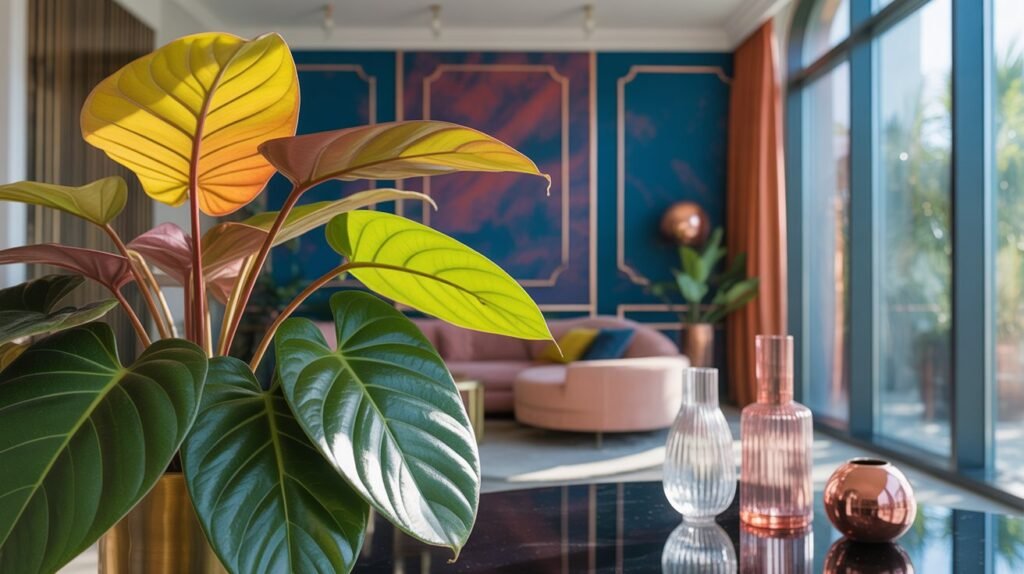
Applying Essential Houseplant Care Tips helps correct yellow leaves effectively. Checking soil moisture before watering, ensuring pots have drainage holes, and placing plants in suitable light conditions can quickly improve leaf color. In some cases, refreshing the soil or adjusting fertilization restores proper nutrient balance and prevents further yellowing.
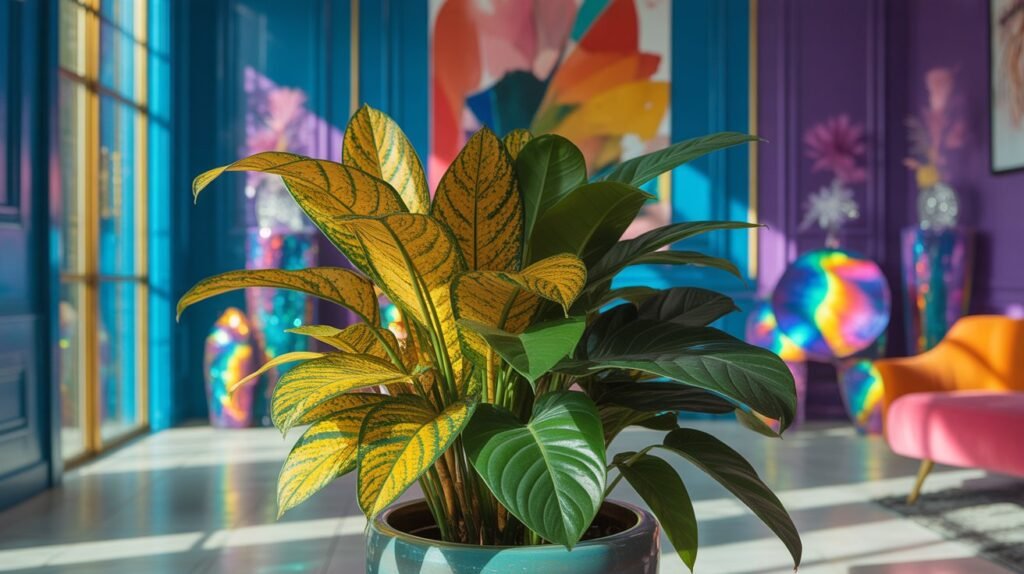
Once the cause is resolved, removing severely yellowed leaves allows the plant to redirect energy into healthy growth. With regular monitoring and consistent Essential Houseplant Care Tips, indoor plants can recover beautifully, producing fresh green foliage and maintaining a vibrant, healthy appearance.
2: Wilting and Drooping Houseplants
Wilting or drooping leaves are clear signs that an indoor plant is struggling to maintain balance. This problem is often caused by improper watering, compacted soil, root stress, or sudden environmental changes such as temperature shifts or drafts. While wilting is commonly associated with underwatering, overwatering can also lead to weak roots that cannot support healthy foliage.
Using Essential Houseplant Care Tips helps diagnose and fix wilting plants correctly. Always check soil moisture before watering and ensure containers have proper drainage. Improving airflow, adjusting light exposure, and allowing the soil to dry slightly between watering sessions can help roots recover and restore plant strength.
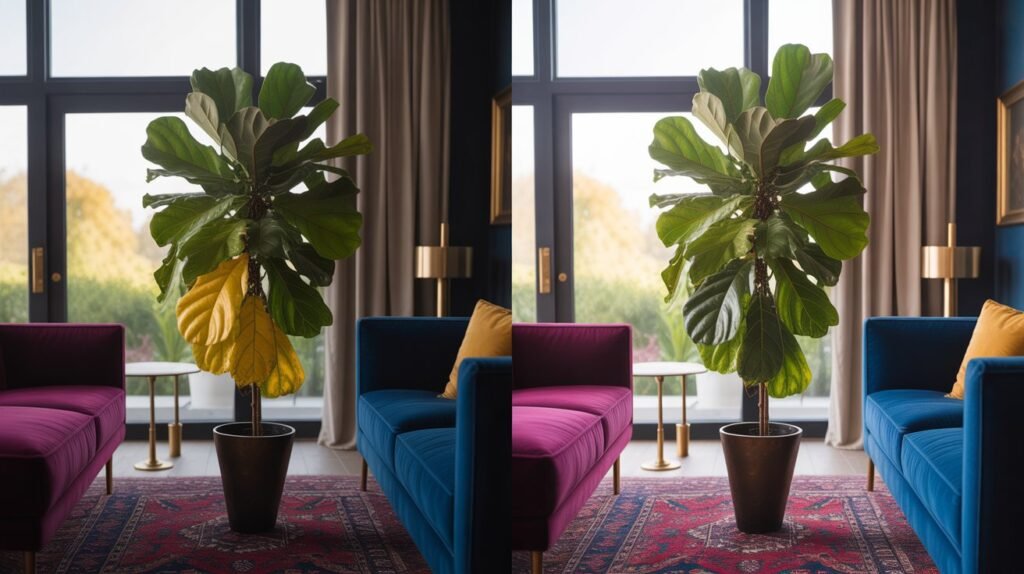
Once conditions improve, wilting plants often respond quickly, with leaves becoming firm and stems regaining structure. Consistent observation and reliable Essential Houseplant Care Tips ensure that drooping houseplants recover fully and continue to grow strong, healthy, and visually appealing in your indoor space.
3: Brown Leaf Tips and Dry Edges
Brown tips and dry edges are common indoor plant problems often caused by low humidity, inconsistent watering, over-fertilization, or exposure to drafts and extreme temperatures. While these issues may seem minor at first, they can worsen over time and affect the overall health and appearance of your plants. Recognizing the cause is the first step to restoring vibrant foliage.
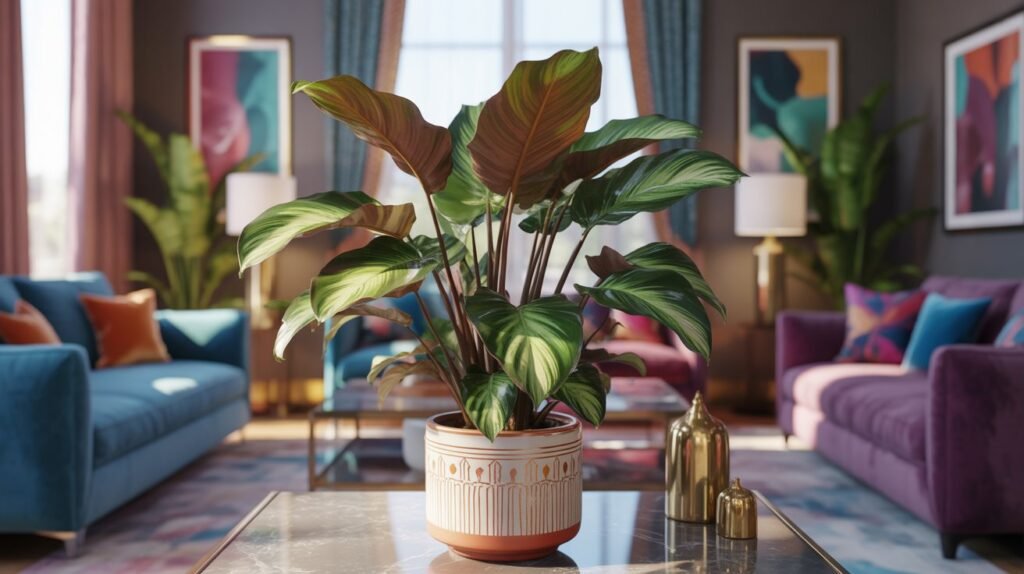
Applying Essential Houseplant Care Tips can effectively prevent and treat brown leaf tips. Increasing humidity with a misting routine or humidity tray, adjusting watering schedules, and avoiding overuse of fertilizers helps the plant recover. Keeping plants away from heating vents or direct drafts further reduces stress and prevents leaf damage.
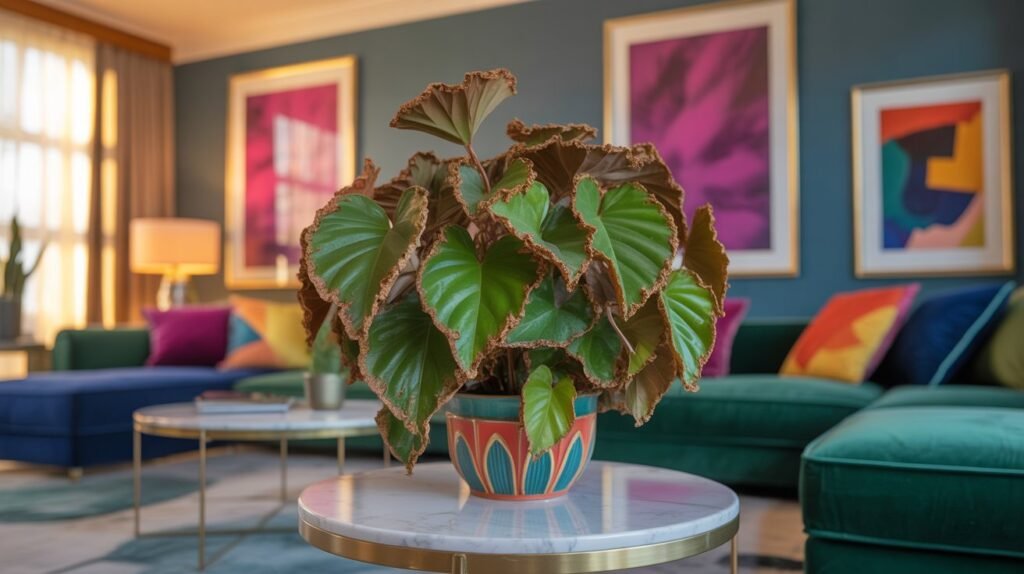
Once the affected tips are trimmed, new healthy leaves emerge, improving the plant’s overall appearance. Regular application of Essential Houseplant Care Tips ensures long-term plant health, vibrant foliage, and a thriving indoor garden that enhances your home’s beauty.
4: Leaf Drop and Weak Growth
Leaf drop is a common indoor plant problem that occurs when plants experience stress due to sudden changes in temperature, inconsistent watering, low light, or nutrient deficiencies. When a plant sheds leaves, it is conserving energy to survive under less-than-ideal conditions. Early identification of the cause is essential to prevent further damage and restore healthy growth.
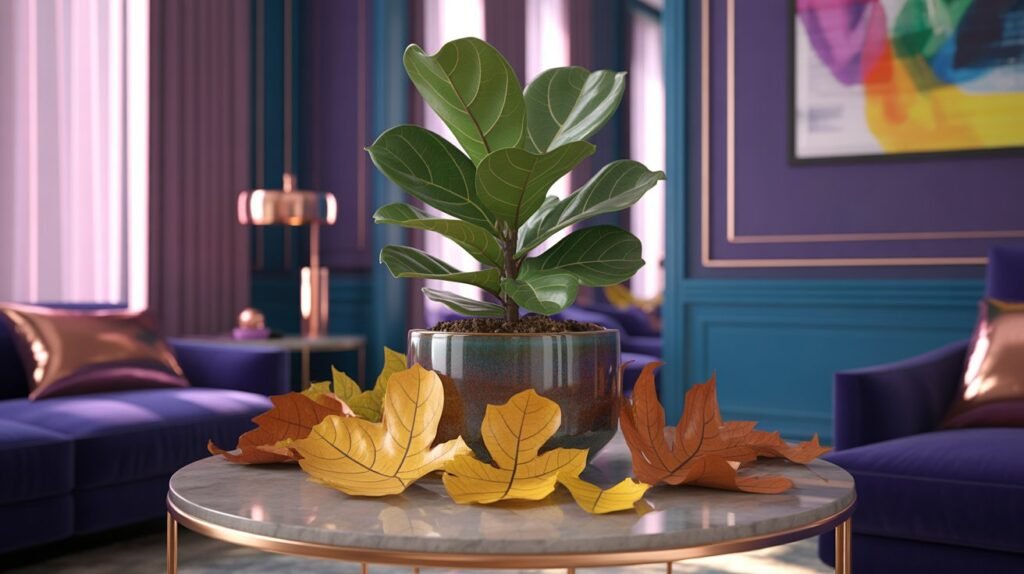
Applying Essential Houseplant Care Tips helps prevent and recover from leaf drop. Adjusting watering routines, providing adequate light, and ensuring balanced nutrition encourages new, strong leaf growth. Gradual environmental adjustments, rather than sudden changes, allow plants to stabilize and regain strength.
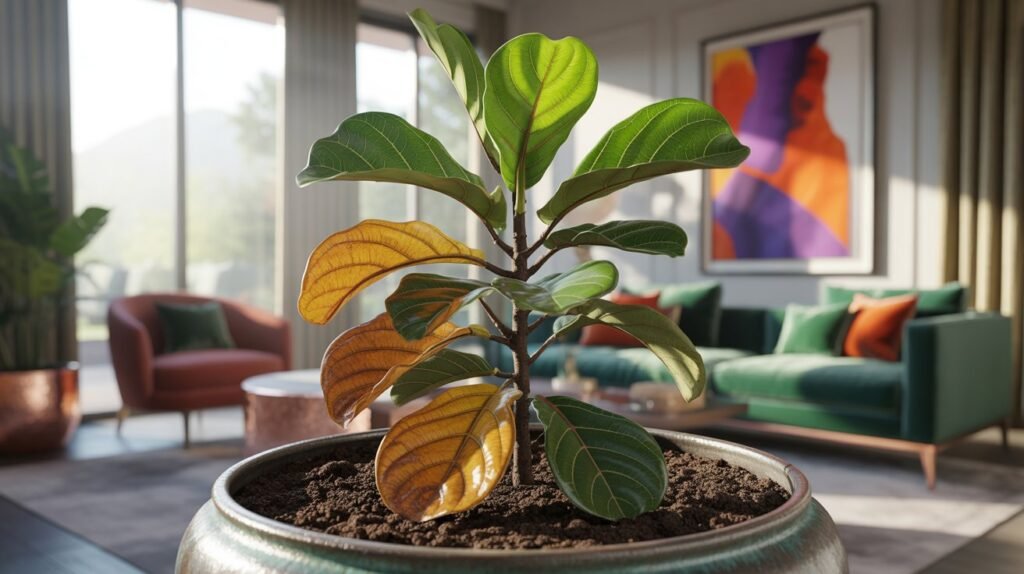
Once the cause of leaf drop is addressed, new leaves emerge, and overall plant vitality improves. Consistently applying Essential Houseplant Care Tips ensures long-term resilience, keeping indoor plants lush, vibrant, and visually appealing, while enhancing the beauty and energy of your living space.
5: Root Rot and Soil Problems
Root rot is a serious issue for indoor plants, often caused by overwatering or poor soil drainage. Plants affected by root rot may display yellowing leaves, wilting, mushy stems, or a foul smell from the soil. Early detection is critical, as root rot can quickly spread and damage the plant irreversibly if left untreated.
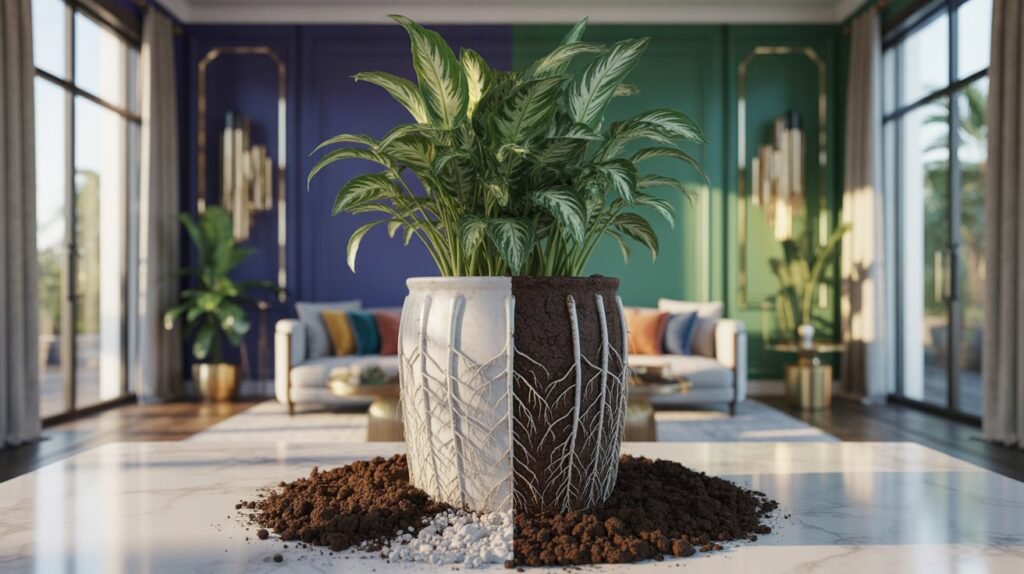
Following Essential Houseplant Care Tips helps prevent and treat root rot. Ensure your pots have drainage holes, water only when the soil is slightly dry, and use well-draining, nutrient-rich soil. If root rot is suspected, gently remove the plant from its pot, trim away affected roots, and repot in fresh soil to promote recovery.
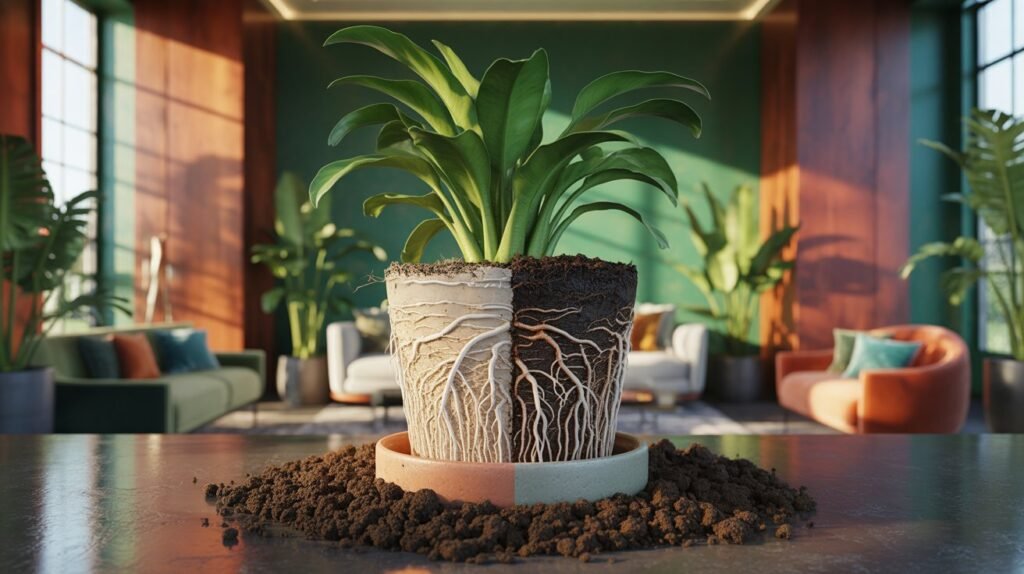
With proper care, many plants can bounce back from root rot. Healthy roots support strong stems, vibrant leaves, and vigorous growth. Consistent application of Essential Houseplant Care Tips ensures that indoor plants remain resilient, thriving, and visually stunning in your home.
6: Adjusting Light for Strong Growth
Light is one of the most critical factors for indoor plant health, influencing leaf color, stem strength, and overall growth. Too much direct sunlight can scorch leaves, while insufficient light can cause plants to become pale, leggy, or weak. Understanding each plant species’ light requirements is essential for promoting healthy development.
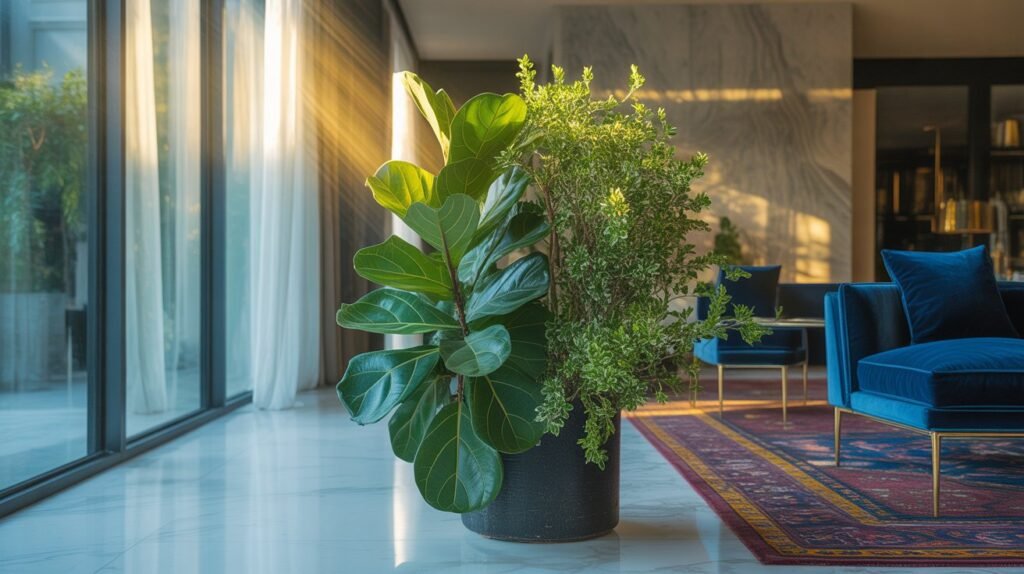
Applying Essential Houseplant Care Tips ensures plants receive optimal light. Place low-light plants in indirect sunlight and high-light plants in brighter areas. Rotate plants regularly to encourage even growth, and use sheer curtains to filter harsh rays for sensitive species. Monitoring light exposure consistently prevents stress and maintains vibrant foliage.
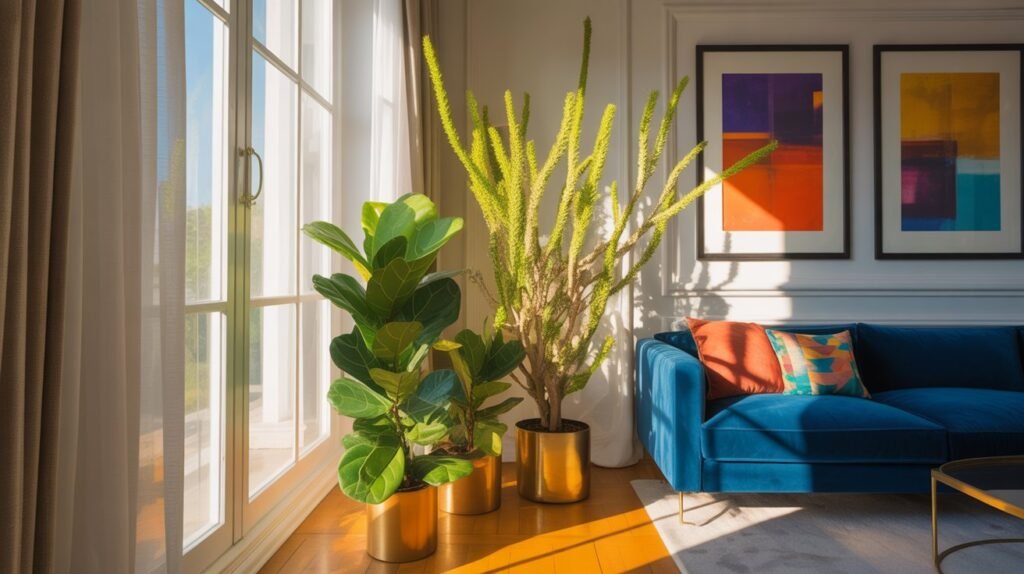
With proper lighting adjustments, indoor plants develop stronger stems, healthier leaves, and balanced growth. Consistent use of Essential Houseplant Care Tips helps maintain long-term resilience, keeping your indoor garden lush, visually appealing, and thriving throughout the year.
7: Nutrient Deficiencies and Fertilization
Nutrient deficiencies can cause indoor plants to display yellowing leaves, stunted growth, or weak stems. Poor soil quality, depleted nutrients, or over-fertilization may prevent plants from absorbing the essential elements they need for healthy development. Identifying nutrient deficiencies early is crucial to restoring plant vitality.
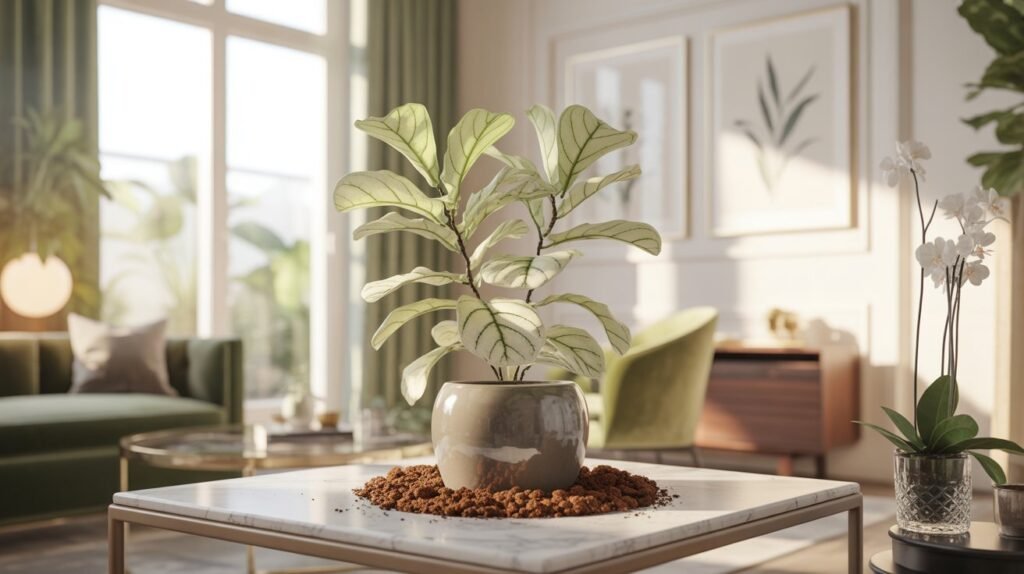
Applying Essential Houseplant Care Tips helps correct nutrient imbalances effectively. Use a balanced fertilizer designed for indoor plants, refresh old soil periodically, and avoid excessive feeding, which can harm roots and foliage. Regular monitoring ensures plants receive the right nutrients in the proper amounts.
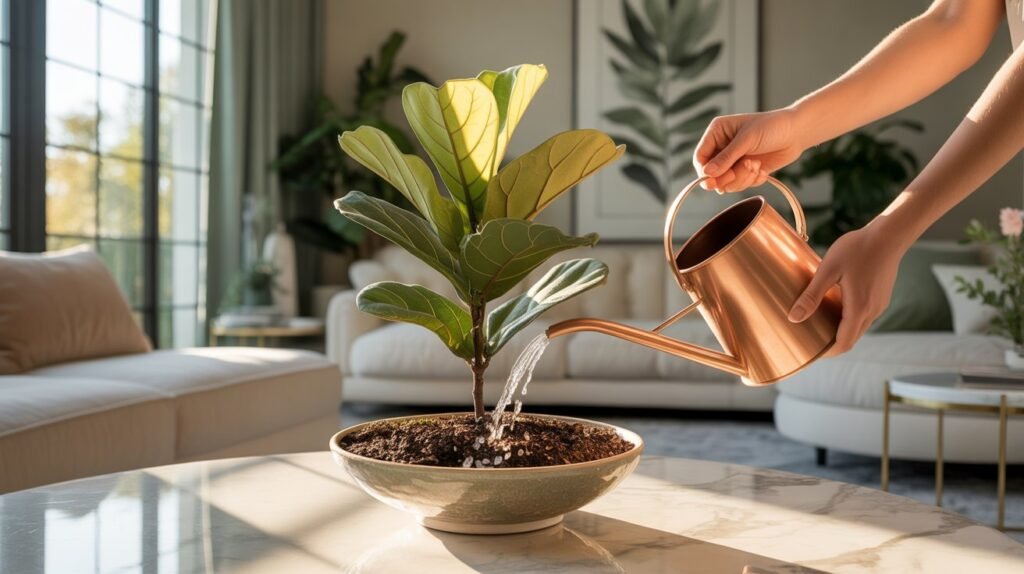
Once nutrients are restored, plants often show vibrant leaves, stronger stems, and vigorous growth. Consistent application of Essential Houseplant Care Tips ensures long-term health, allowing indoor plants to thrive while enhancing the visual appeal and atmosphere of your living space.
8: Pest Management for Indoor Plants
Indoor plants are vulnerable to pests such as spider mites, aphids, and mealybugs, which can cause yellowing leaves, wilting, and slowed growth. Pests often go unnoticed until significant damage occurs, so regular inspection and early intervention are key to preventing serious harm.
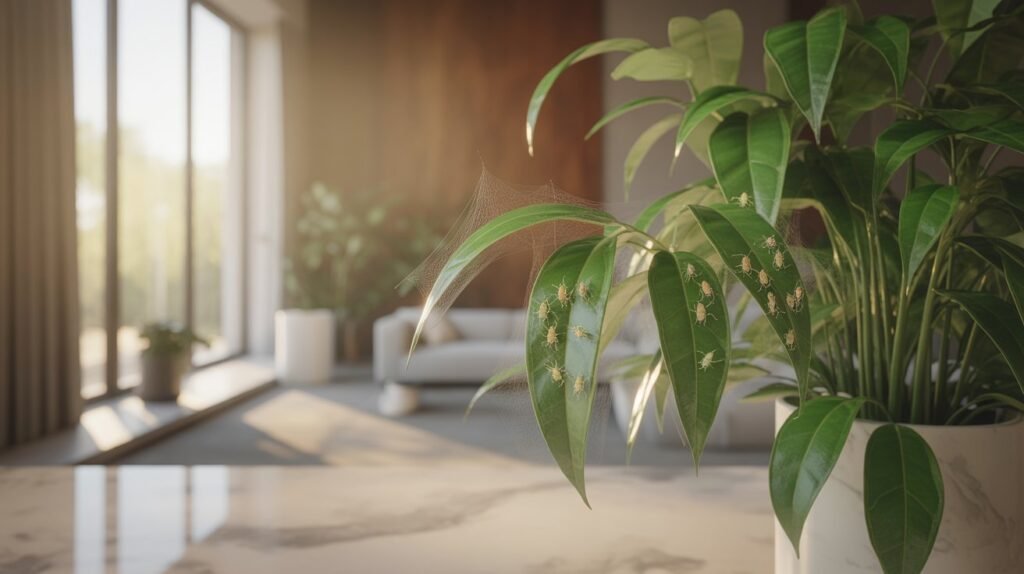
Applying Essential Houseplant Care Tips helps prevent and manage pest issues effectively. Clean leaves regularly, maintain proper humidity, and isolate new plants before introducing them to your collection. Using plant-safe treatments at the first sign of infestation ensures that pests are controlled without damaging the plant.
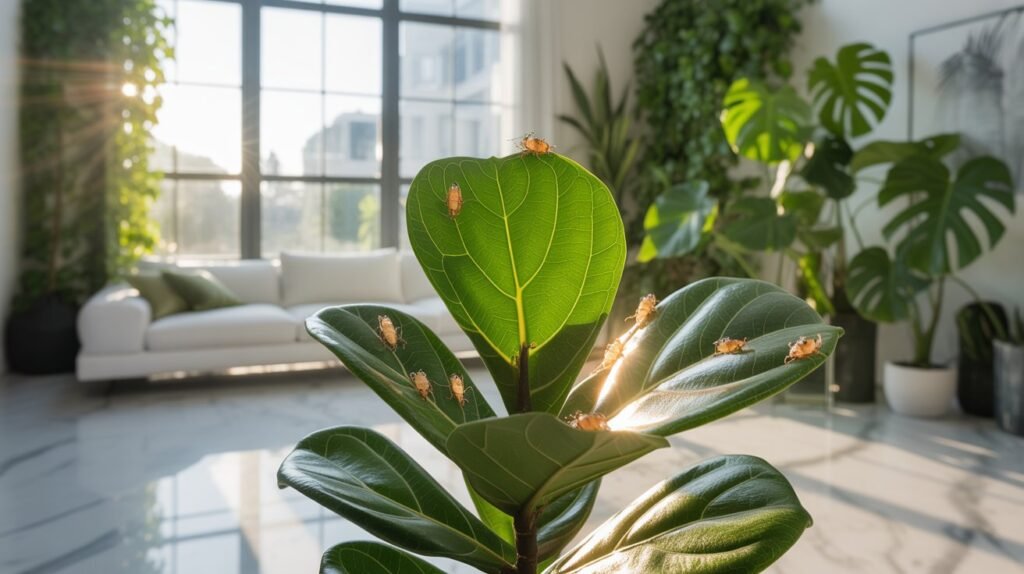
Once pests are removed, plants usually recover quickly, producing healthier leaves and stronger stems. Consistently following Essential Houseplant Care Tips ensures long-term protection, keeping indoor plants vibrant, thriving, and visually appealing.
9: Checking Leaf Undersides for Hidden Problems
Many indoor plant problems begin on the undersides of leaves, where pests, fungal spores, and early signs of disease often appear first. Small dots, webbing, or sticky residue can indicate infestations or infections before they spread, making careful inspection essential for maintaining plant health.
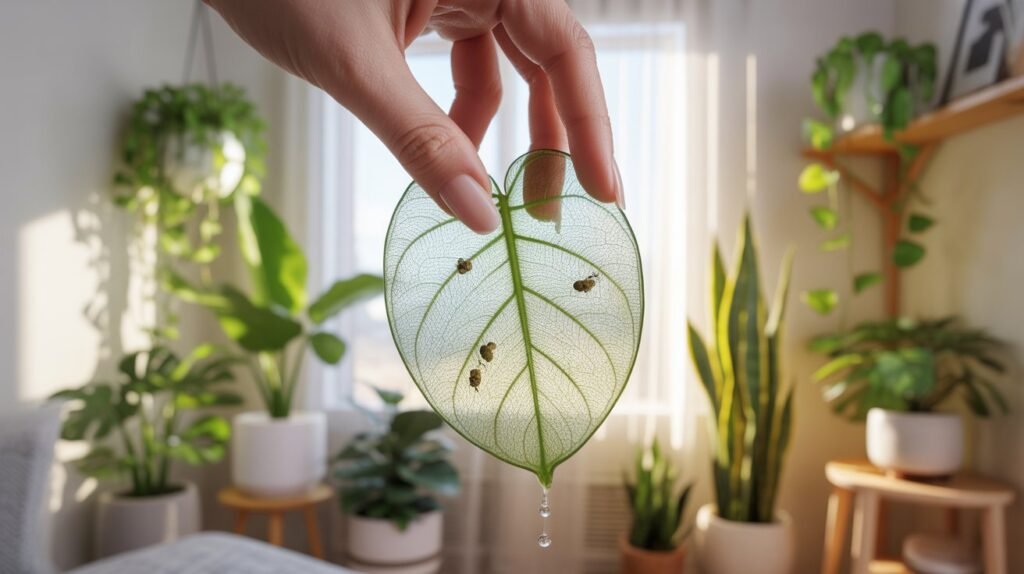
Applying Essential Houseplant Care Tips ensures that these hidden issues are caught early. Regularly lift and inspect leaves during routine care, clean them gently, improve airflow, and adjust humidity to prevent the growth of pests or fungi. Early intervention protects plants and supports overall vitality.
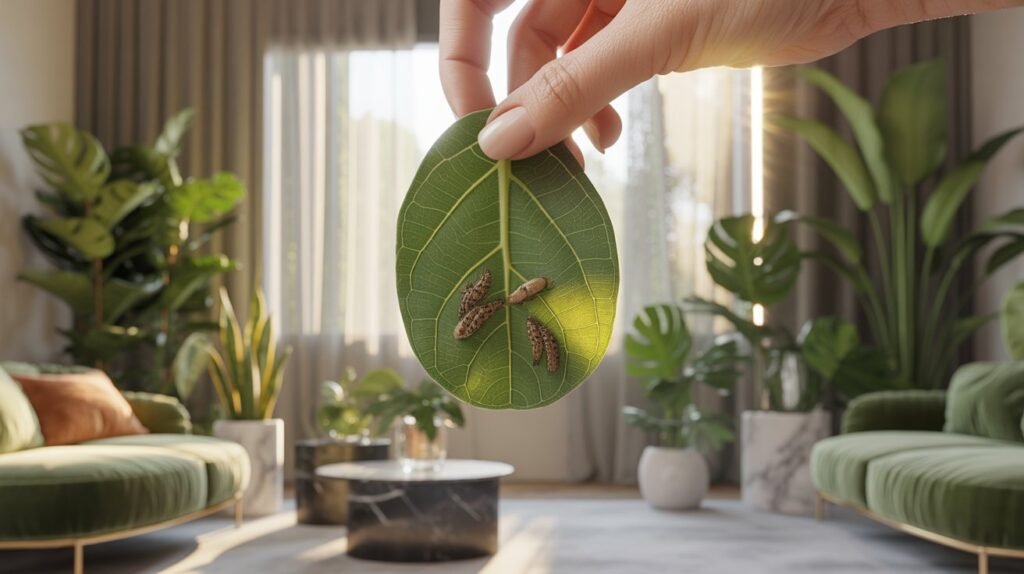
Applying Essential Houseplant Care Tips ensures that these hidden issues are caught early. Regularly lift and inspect leaves during routine care, clean them gently, improve airflow, and adjust humidity to prevent the growth of pests or fungi. Early intervention protects plants and supports overall vitality.
10: Creating a Recovery Routine for Stressed Plants
When indoor plants show multiple signs of stress—such as yellow leaves, drooping, or slow growth—it’s important to implement a simple and consistent recovery routine. Stressed plants respond best to gradual changes rather than abrupt interventions, giving roots and foliage time to regain strength.
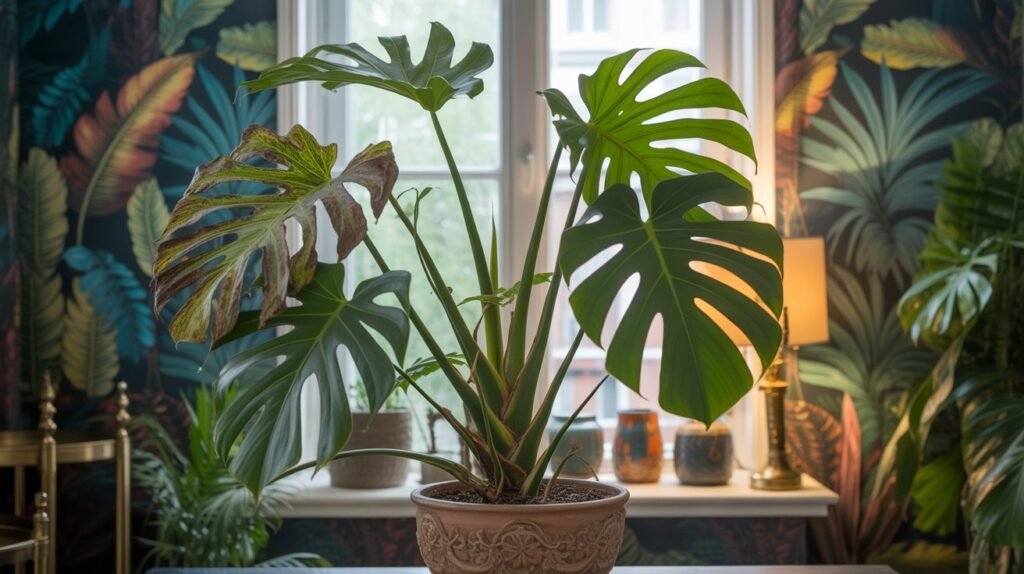
Following Essential Houseplant Care Tips ensures an effective recovery routine. Place plants in suitable light, adjust watering schedules, ensure proper drainage, and avoid fertilizing immediately, as stressed roots may struggle to absorb nutrients. Consistency and patience allow plants to stabilize and recover without shock.
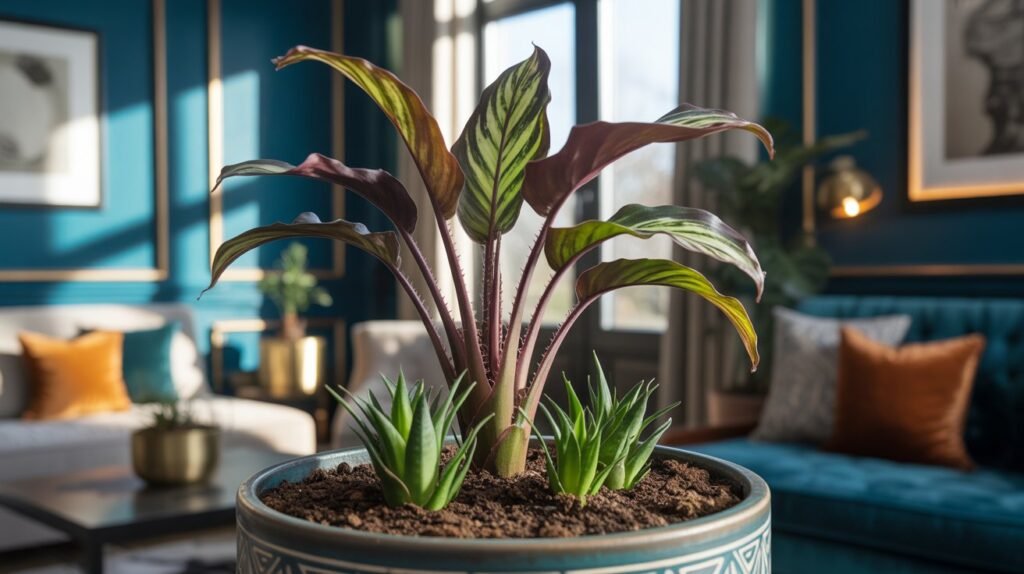
As the routine takes effect, leaves regain firmness, stems strengthen, and new healthy growth emerges. Maintaining a recovery plan with ongoing Essential Houseplant Care Tips restores plant health and promotes long-term resilience, ensuring your indoor greenery remains vibrant, lush, and visually appealing.
Final Thoughts
Caring for indoor plants can sometimes feel challenging, but most common problems are easily preventable with knowledge and attention. Issues like yellow leaves, wilting, brown tips, leaf drop, and pest infestations are often signs that a plant is stressed or not receiving optimal care. Recognizing these signals early allows you to apply the right solutions before permanent damage occurs.
Consistently applying Essential Houseplant Care Tips is the key to maintaining healthy and thriving plants. By monitoring watering, light, and soil conditions, inspecting leaves and roots, and preventing pest and nutrient problems, you can ensure that your indoor plants recover quickly from stress and flourish. Small, regular adjustments often make the biggest difference.
Healthy houseplants not only enhance the beauty of your home but also improve air quality and create a calming, natural atmosphere. With consistent Essential Houseplant Care Tips and careful observation, you can troubleshoot any indoor plant problem confidently, keeping your greenery lush, vibrant, and full of life throughout the year.