Indoor plants can instantly brighten a home, but issues like yellow leaves, wilting, and weak growth often leave plant owners confused and frustrated. These visible signs are usually your plant’s way of communicating stress caused by watering mistakes, light imbalance, nutrient deficiencies, or environmental changes. Understanding what your plant is trying to tell you is the first step toward restoring its health and beauty.
How to Identify and Fix Common Indoor Plant Problems | Indoor Plant Care Tips
By following Essential Houseplant Care Tips, you can quickly identify the root cause of common indoor plant problems and apply the right solutions. Proper watering routines, correct light placement, suitable soil, and balanced feeding play a crucial role in keeping plants strong and vibrant. When these basic care elements are aligned, most plant problems can be corrected before they become severe.
Indoor plant care is not just about fixing problems—it’s about prevention and long-term success. Healthy plants improve air quality, enhance interior décor, and create a calming atmosphere in your living space. With consistent observation, timely adjustments, and reliable Essential Houseplant Care Tips, you can confidently solve yellowing leaves, wilting plants, and many other common issues while enjoying lush, thriving greenery year-round.
1: Fixing Yellow Leaves on Indoor Plants
Yellow leaves are one of the most common indoor plant problems and can be caused by several factors, including overwatering, underwatering, poor drainage, or nutrient deficiencies. While a single yellow leaf may be normal, widespread discoloration is often a sign that your plant is under stress. Identifying patterns—such as yellowing from the bottom up or spots on the leaves—helps determine the exact cause.
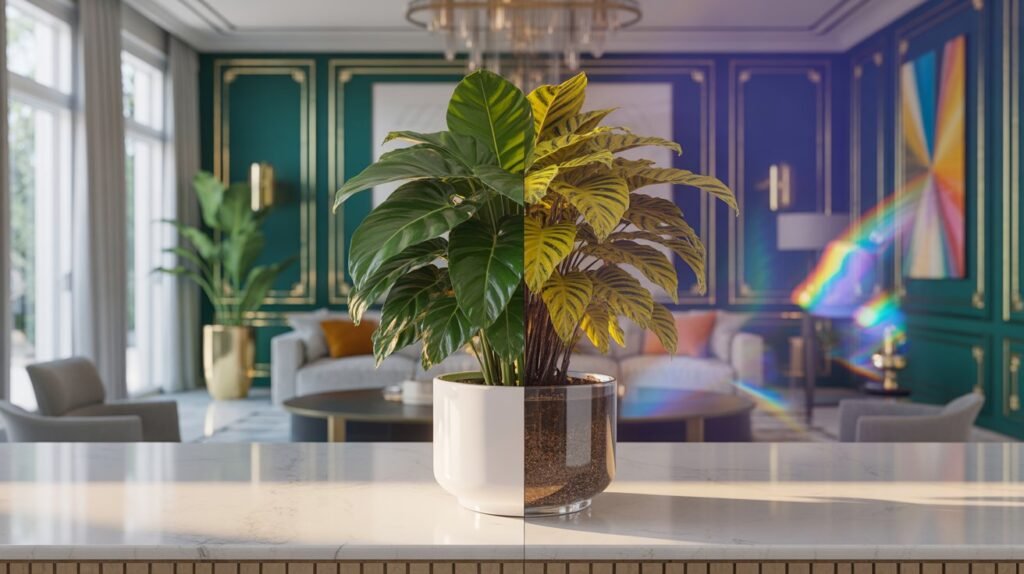
Applying Essential Houseplant Care Tips can quickly correct yellow leaf issues. Check soil moisture before watering, ensure pots have drainage holes, and place plants in appropriate light conditions. In some cases, adjusting feeding schedules or refreshing the soil can restore proper nutrient balance and improve leaf color.
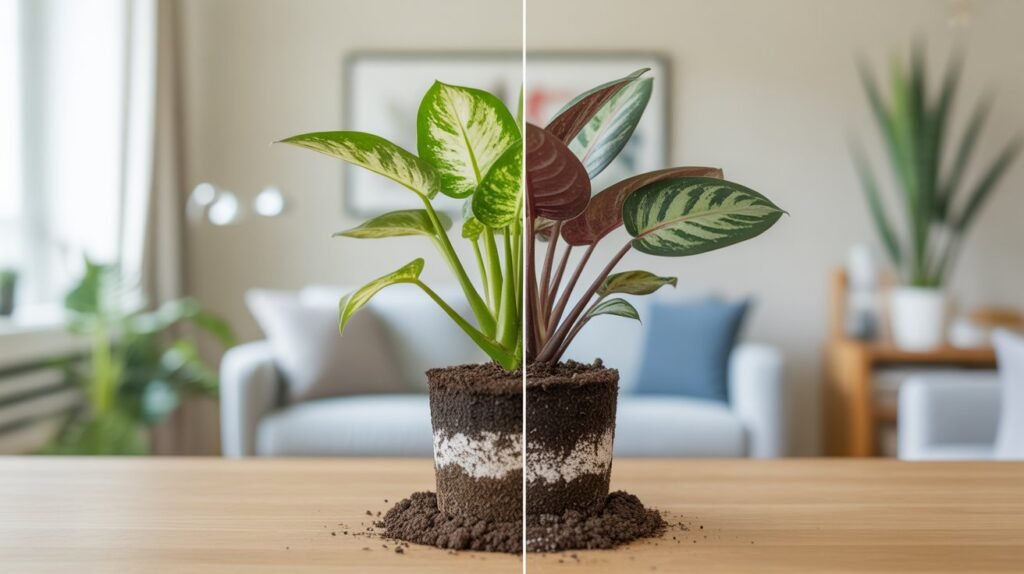
Once the cause is corrected, remove severely yellowed leaves to allow the plant to focus its energy on healthy growth. With patience, proper adjustments, and consistent Essential Houseplant Care Tips, indoor plants can recover beautifully, producing fresh green foliage that enhances both plant health and home aesthetics.
2: Reviving Wilting and Drooping Indoor Plants
Wilting or drooping leaves are clear signs that an indoor plant is struggling to maintain proper hydration or balance. This issue can result from underwatering, overwatering, compacted soil, or sudden changes in temperature and light. When plants lose their firmness and structure, it’s important to assess their environment carefully rather than watering blindly, which can worsen the problem.
Following Essential Houseplant Care Tips helps determine the correct solution. Check the soil moisture level, inspect drainage holes, and ensure the plant is placed in suitable lighting conditions. Sometimes, wilting occurs even when soil is wet, indicating root stress or poor airflow. Making small, controlled adjustments helps plants recover without shock.
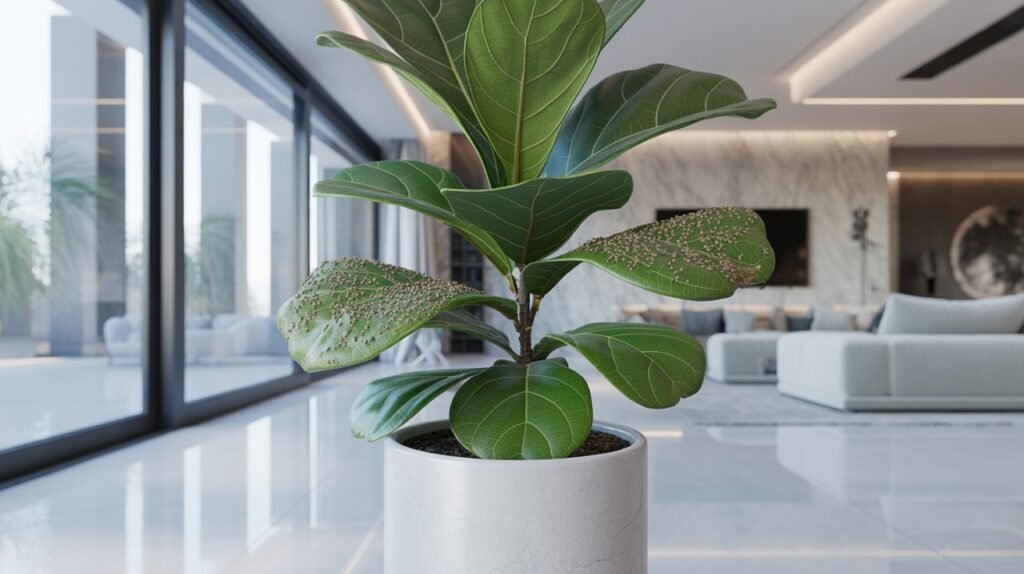
Once conditions are corrected, wilting plants often respond quickly. Leaves regain firmness, stems strengthen, and new growth appears within days or weeks. By consistently applying Essential Houseplant Care Tips and monitoring plant behavior, you can restore drooping indoor plants and maintain long-term plant health while keeping your home greenery lush and attractive.
3: Treating Brown Leaf Tips and Dry Edges
Brown leaf tips and dry edges are common indoor plant problems that often indicate environmental stress. Low humidity, inconsistent watering, excessive fertilizer use, or exposure to dry air can all cause leaf edges to turn brown. While this issue may seem minor at first, ignoring it can lead to further leaf damage and weakened plant growth over time.
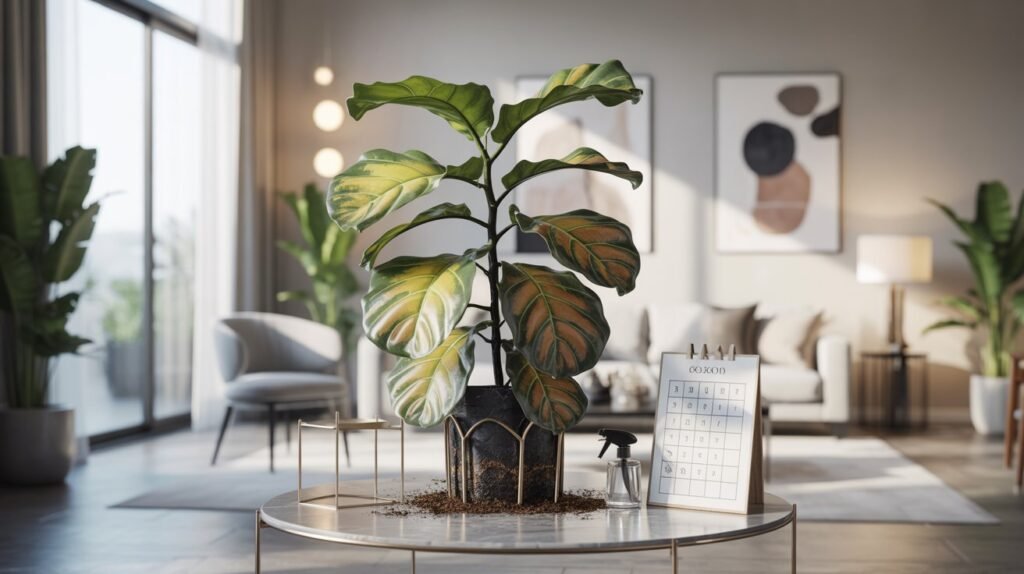
Applying Essential Houseplant Care Tips helps identify and correct the root cause. Increasing humidity, adjusting watering schedules, and flushing excess salts from the soil can significantly improve leaf health. Ensuring plants are placed away from heating vents or direct drafts also helps prevent moisture loss that leads to dry edges.
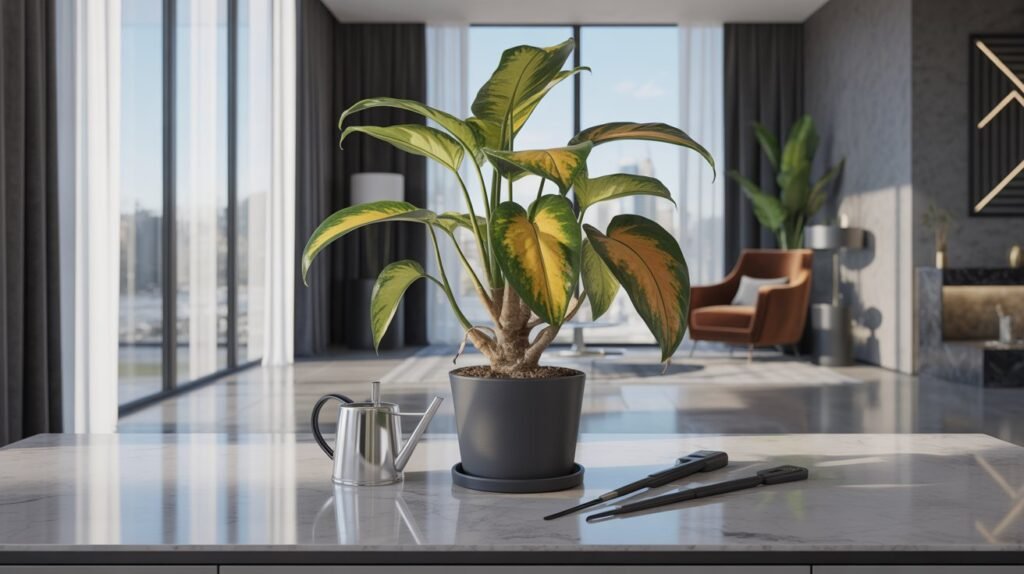
Although brown tips cannot turn green again, trimming damaged areas improves appearance and encourages healthier new growth. With ongoing observation and consistent Essential Houseplant Care Tips, indoor plants can maintain vibrant foliage, stronger structure, and a healthier overall appearance, enhancing both plant vitality and home décor.
4: Solving Leaf Drop and Slow Growth Problems
Leaf drop and slow growth are signs that an indoor plant is experiencing ongoing stress. These problems can develop due to inconsistent watering, sudden environmental changes, insufficient light, or nutrient imbalances. When plants lose leaves or stop growing, it’s often their way of conserving energy in unfavorable conditions, making early identification especially important.
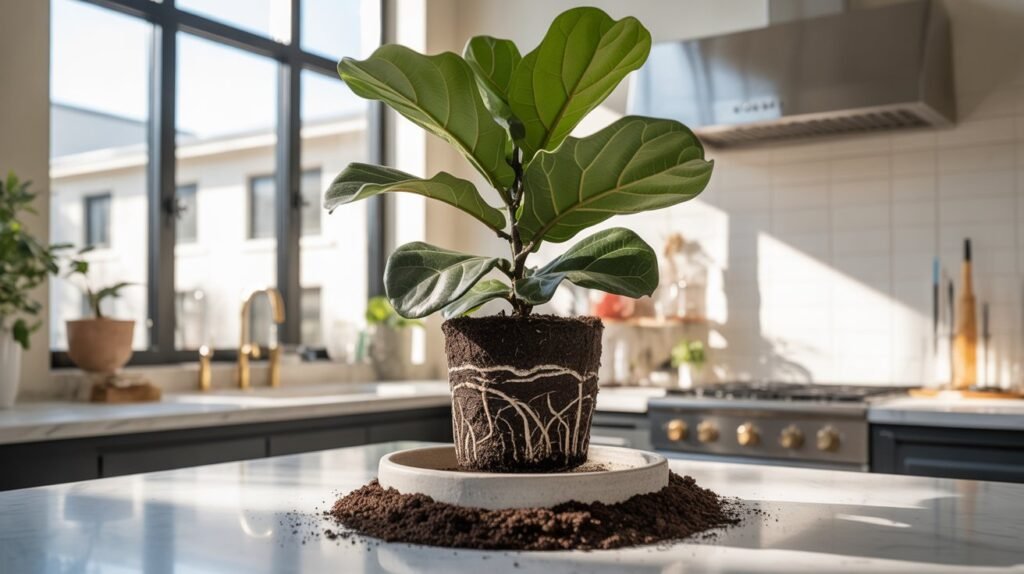
Following Essential Houseplant Care Tips allows you to address these issues effectively. Review your watering routine, ensure the plant receives adequate light, and assess soil quality to confirm proper nutrient availability. Gradual adjustments—rather than sudden changes—help plants adapt and recover more successfully, preventing further leaf loss or stagnation.
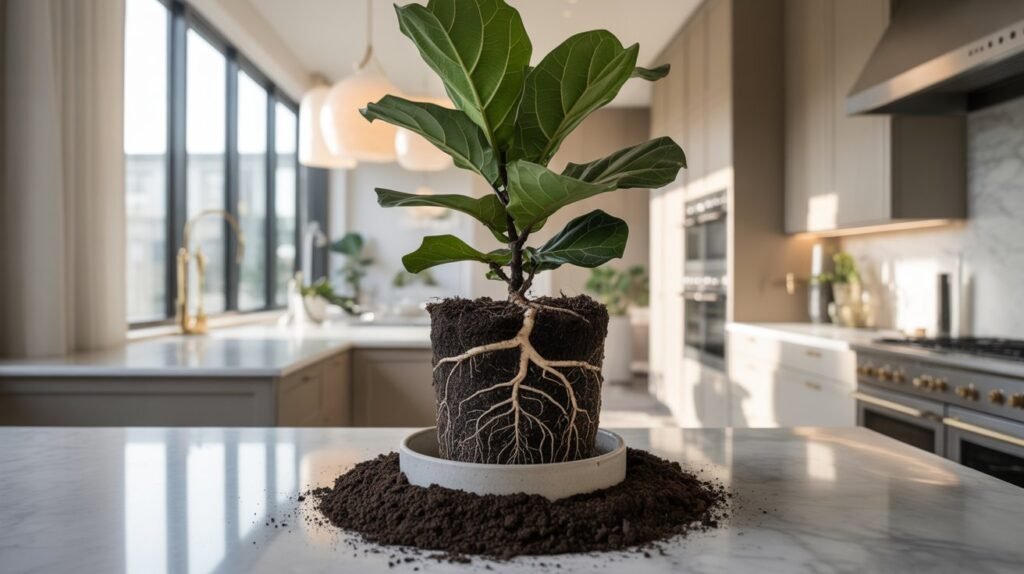
Once conditions improve, plants often respond with renewed growth and stronger foliage. Removing fallen leaves, monitoring new growth, and maintaining a stable care routine supports recovery. With consistent application of Essential Houseplant Care Tips, indoor plants regain vitality, grow more evenly, and continue to enhance your living space with healthy, vibrant greenery.
5: Preventing and Fixing Root Rot Issues
Root rot is one of the most serious indoor plant problems and often develops when plants sit in overly wet soil for long periods. Common signs include yellowing leaves, mushy stems, foul-smelling soil, and sudden wilting even when the plant appears well-watered. Because root damage happens below the surface, the problem can go unnoticed until the plant shows visible stress.
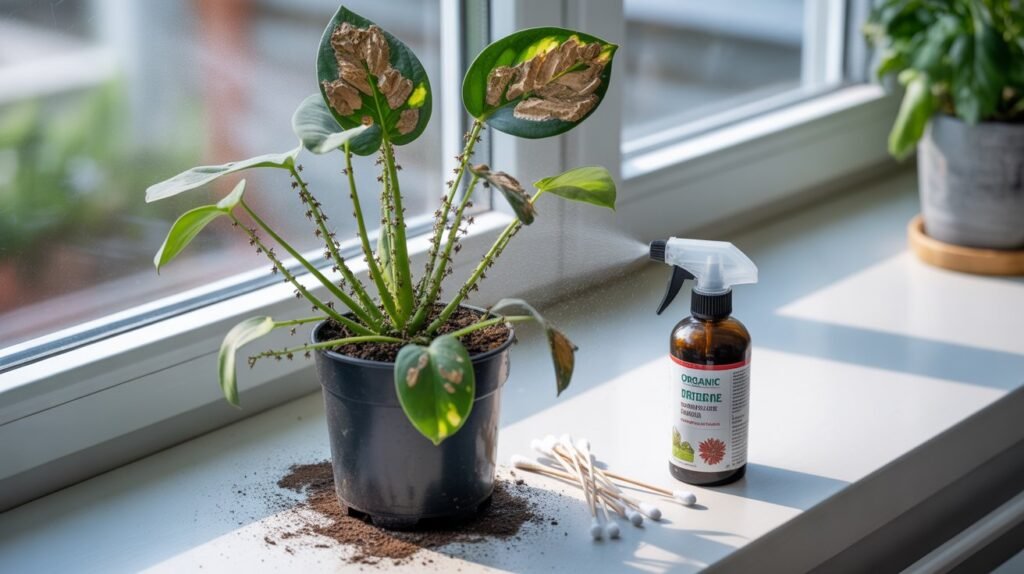
Applying Essential Houseplant Care Tips is crucial to both preventing and fixing root rot. Always use pots with drainage holes, avoid watering on a fixed schedule, and allow the soil to dry slightly between watering sessions. If root rot is suspected, gently remove the plant from its pot, trim away damaged roots, and repot it in fresh, well-draining soil to encourage recovery.
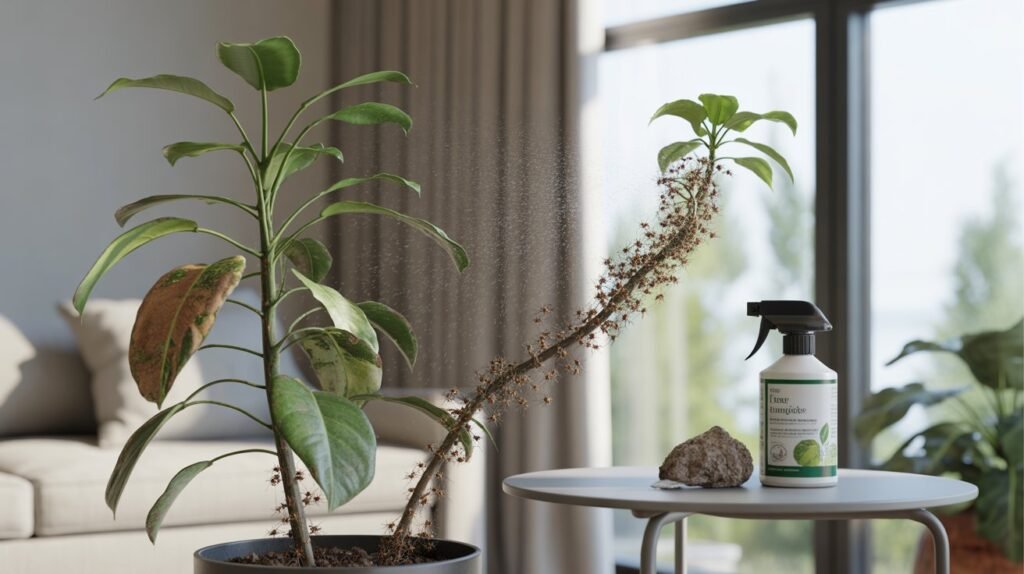
With early intervention and consistent Essential Houseplant Care Tips, many plants can recover from root rot and produce healthy new growth. Improving drainage, adjusting watering habits, and monitoring soil moisture helps restore balance and prevents future issues. Healthy roots lead to stronger plants, greener leaves, and long-term indoor plant success.
6: Correcting Light Problems That Affect Plant Health
Improper lighting is a major cause of indoor plant issues such as pale leaves, leggy growth, scorched spots, or overall weakness. Too much direct sunlight can burn leaves, while insufficient light can slow growth and cause plants to stretch toward windows. Because each plant has unique light needs, understanding the right balance is essential for long-term health.
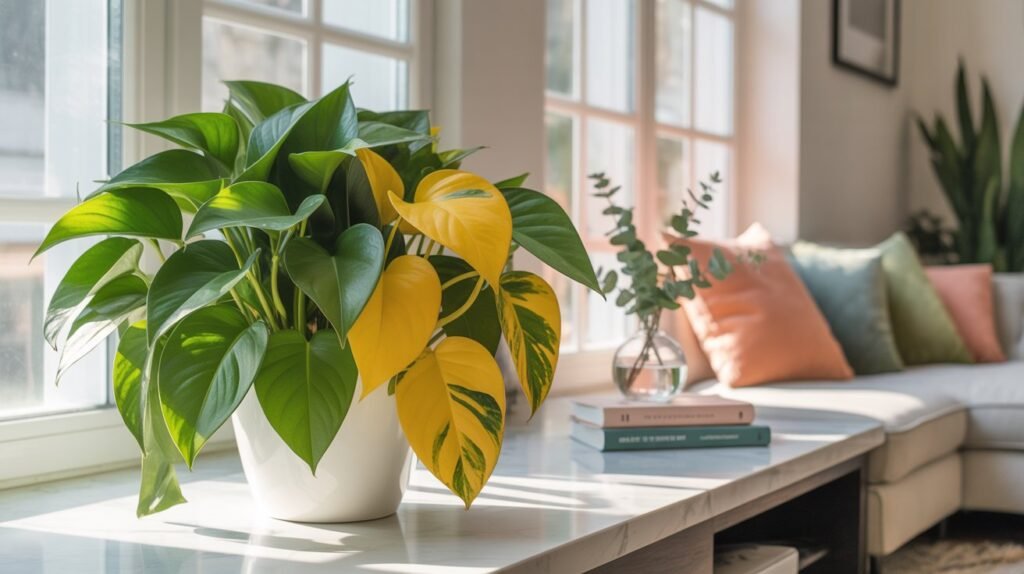
Following Essential Houseplant Care Tips helps you identify and fix light-related problems effectively. Observe how sunlight moves through your space during the day and adjust plant placement accordingly. Rotating plants regularly ensures even growth, while sheer curtains or indirect light placement can protect sensitive foliage from harsh sun exposure.
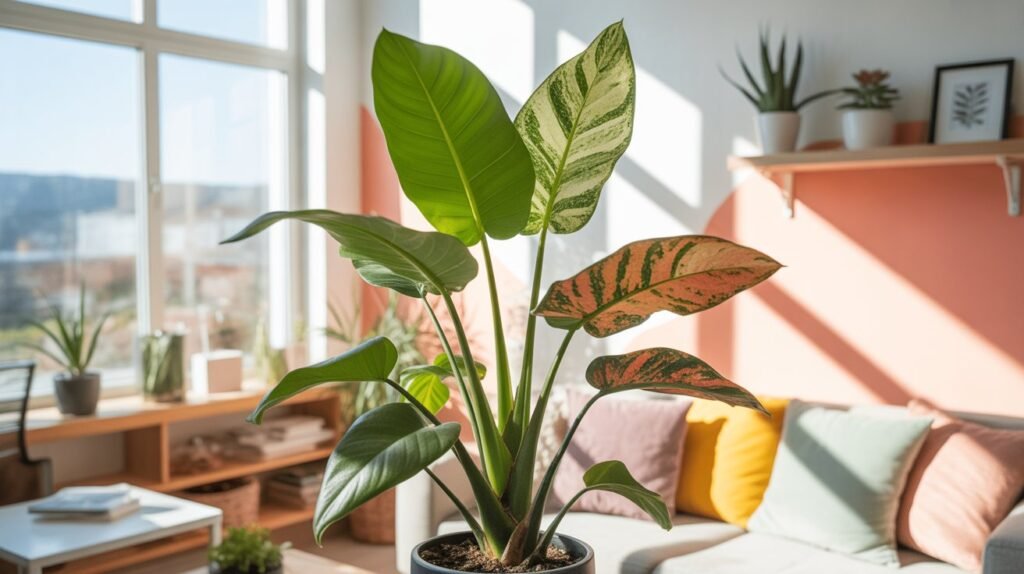
Once lighting conditions are corrected, plants often respond positively with stronger stems, richer leaf color, and healthier new growth. Consistent monitoring and thoughtful placement, supported by Essential Houseplant Care Tips, allow indoor plants to thrive while maintaining their beauty and structure, making your home greenery both healthy and visually appealing.
7: Fixing Nutrient Deficiencies and Poor Soil Health
Nutrient deficiencies often develop slowly but can have a major impact on indoor plant health. Common signs include yellowing leaves, weak stems, slow growth, or leaves that appear pale and lifeless. Poor soil quality, depleted nutrients, or improper fertilizing routines can prevent plants from absorbing the essential elements they need to thrive, making soil health a critical factor in plant care.
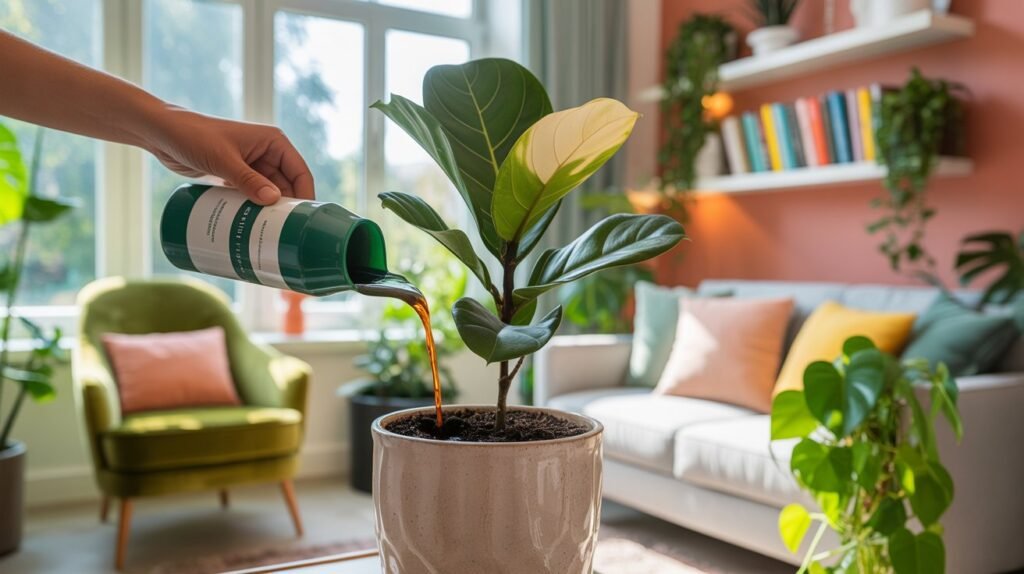
Applying Essential Houseplant Care Tips helps restore nutrient balance and improve soil conditions. Using a balanced indoor plant fertilizer, refreshing old soil, and ensuring proper drainage allows roots to absorb nutrients more efficiently. Over-fertilizing should be avoided, as it can cause salt buildup and damage roots, leading to further stress rather than improvement.
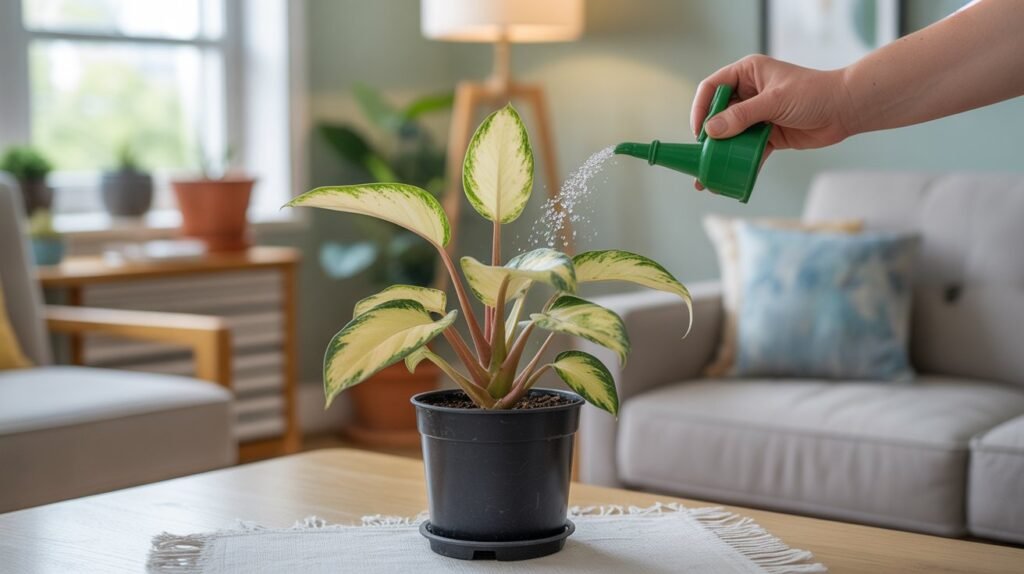
Once nutrient levels and soil quality are corrected, plants often show noticeable improvement in leaf color, strength, and overall growth. Healthy soil supports strong roots, which in turn produce vibrant foliage and resilient plants. With consistent care and reliable Essential Houseplant Care Tips, indoor plants can maintain long-term health while enhancing the beauty and freshness of your living space.
8: Managing Pests That Cause Yellowing and Wilting
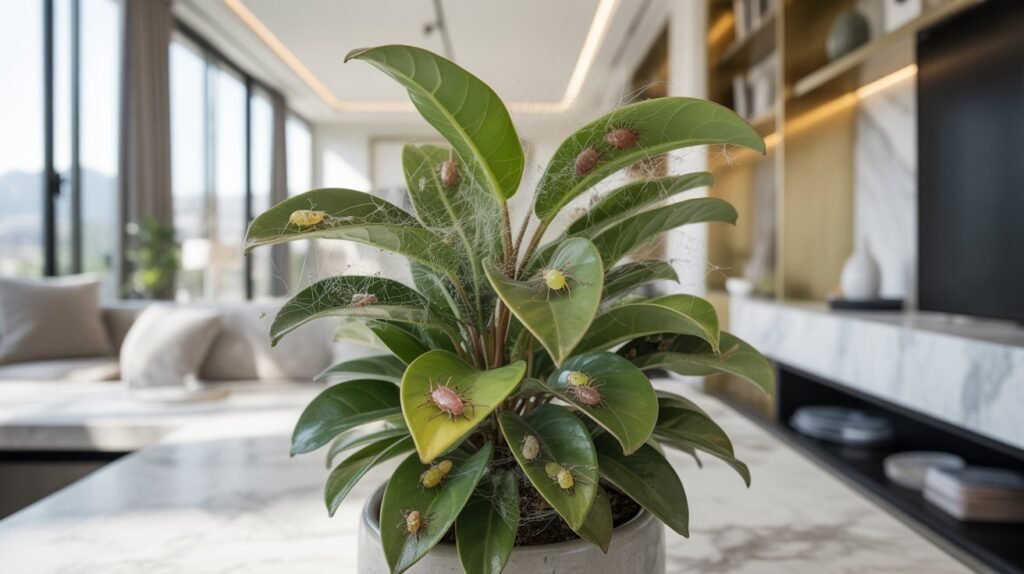
Pests such as spider mites, aphids, and mealybugs can quietly damage indoor plants, often leading to yellow leaves, wilting, and weakened growth. These tiny invaders feed on plant sap, reducing the plant’s ability to absorb nutrients and moisture. Because pest damage can resemble other plant problems, close inspection of leaves—especially undersides and stems—is essential for accurate identification.
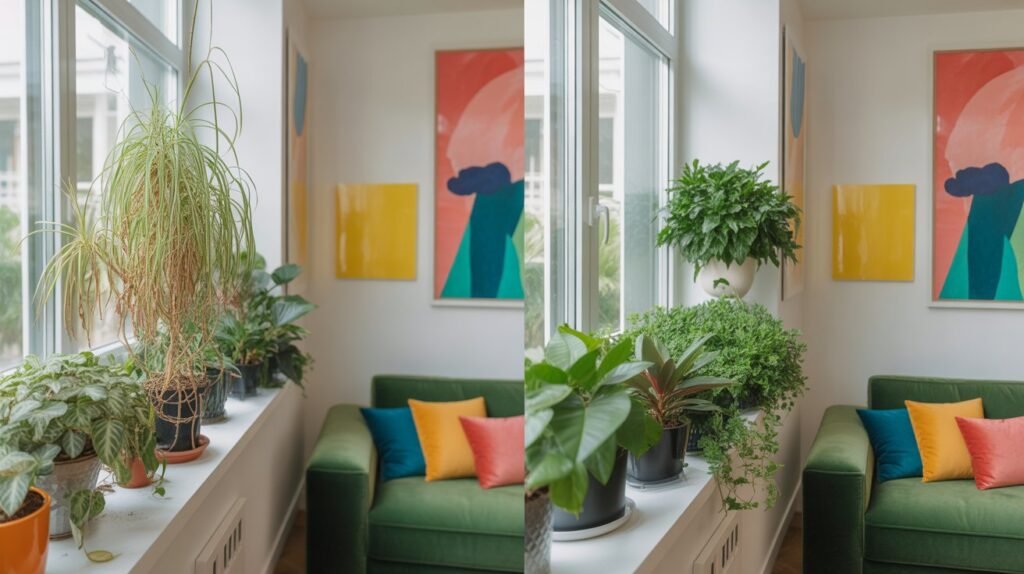
Following Essential Houseplant Care Tips helps prevent and control pest issues effectively. Regularly cleaning leaves, maintaining proper humidity, and isolating new plants before placing them near others can significantly reduce infestations. Early treatment using gentle, plant-safe solutions prevents pests from spreading and minimizes long-term damage to your indoor greenery.
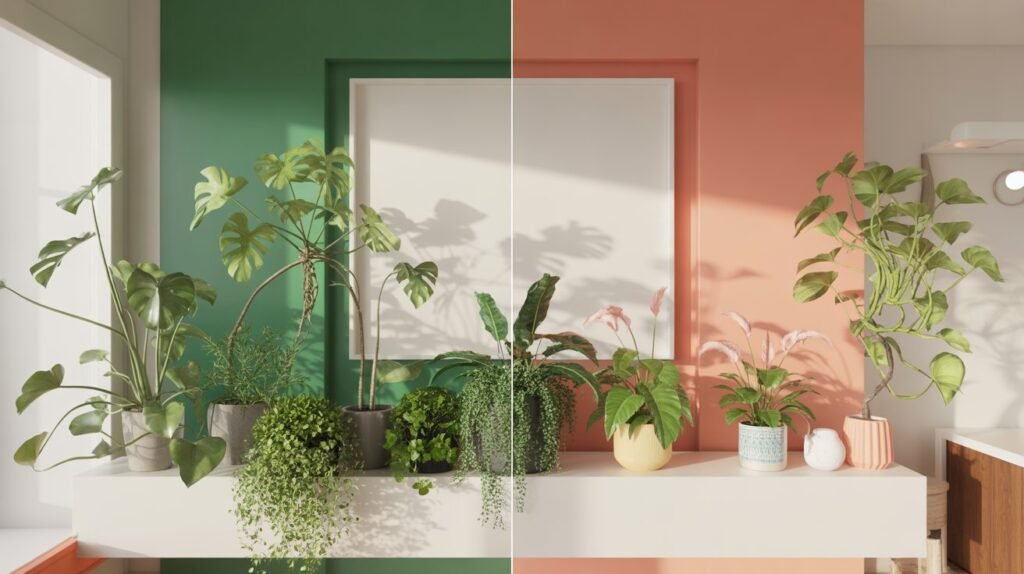
Once pests are under control, plants often recover quickly with improved leaf color and stronger growth. Continued monitoring and consistent application of Essential Houseplant Care Tips ensure pests do not return. Healthy, pest-free plants not only thrive better but also maintain their beauty, contributing to a clean, vibrant, and welcoming indoor environment.
9: Checking Leaf Undersides for Hidden Plant Problems
Many indoor plant problems begin where they are hardest to see—on the undersides of leaves. Pests, fungal spores, and early signs of disease often appear underneath leaves before spreading to the visible surface. Sticky residue, tiny dots, webbing, or discoloration on the undersides are strong indicators that your plant is under attack or experiencing stress.
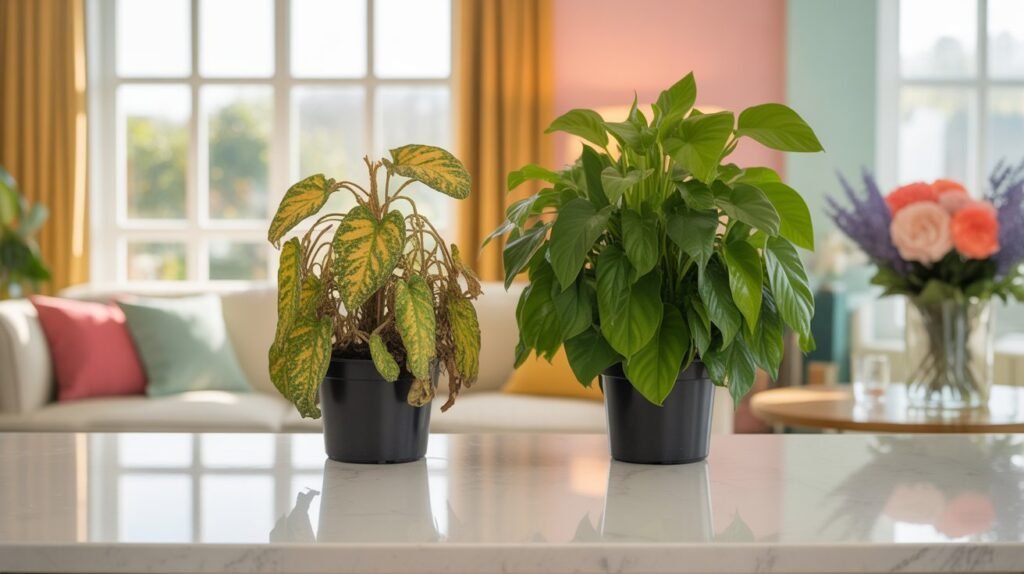
Following Essential Houseplant Care Tips helps you detect these hidden issues early. Regularly turning leaves over during routine care allows you to spot problems before they escalate. Cleaning the undersides with a damp cloth, improving airflow, and adjusting humidity can prevent pests and diseases from gaining a foothold. Early detection reduces the need for aggressive treatments later.
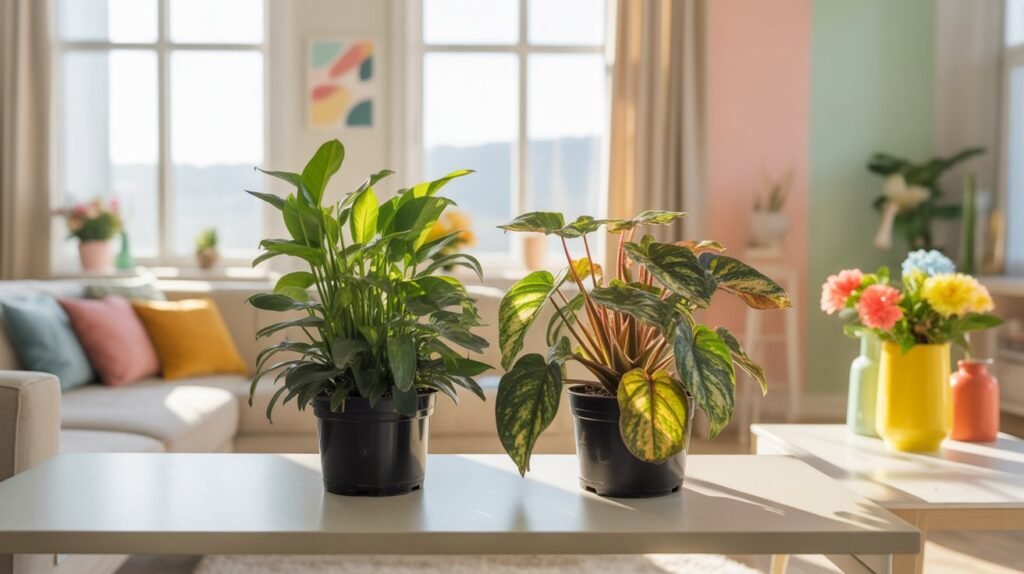
Once underside-related issues are addressed, plants often recover quickly and resume healthy growth. Removing affected leaves, isolating the plant if necessary, and maintaining consistent care restores balance. With regular inspection and reliable Essential Houseplant Care Tips, checking leaf undersides becomes a simple habit that protects your indoor plants from long-term damage and keeps them looking lush and vibrant.
10: Creating a Simple Recovery Routine for Stressed Indoor Plants
When indoor plants show multiple issues—such as yellow leaves, wilting, slow growth, or leaf drop—it’s a sign they need a structured recovery routine. Rather than changing everything at once, a calm and consistent approach helps plants regain strength. Stress often builds from repeated small mistakes, so resetting care habits is one of the most effective solutions.
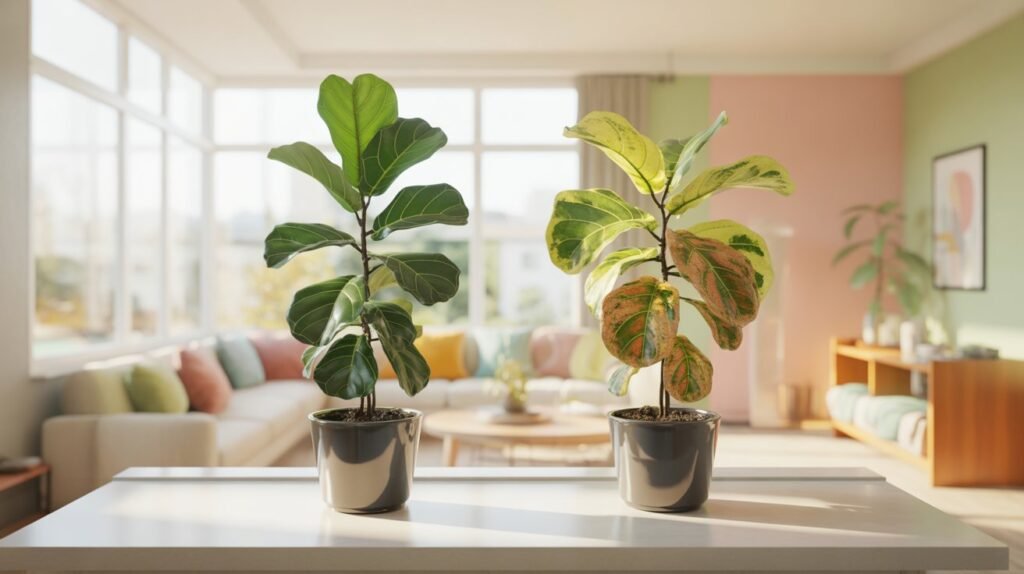
Following Essential Houseplant Care Tips allows you to stabilize stressed plants gradually. Start by placing the plant in appropriate light, reducing watering to a controlled schedule, and ensuring proper drainage. Avoid fertilizing immediately, as stressed roots need time to recover before absorbing nutrients. Consistency is more important than quick fixes during this stage.
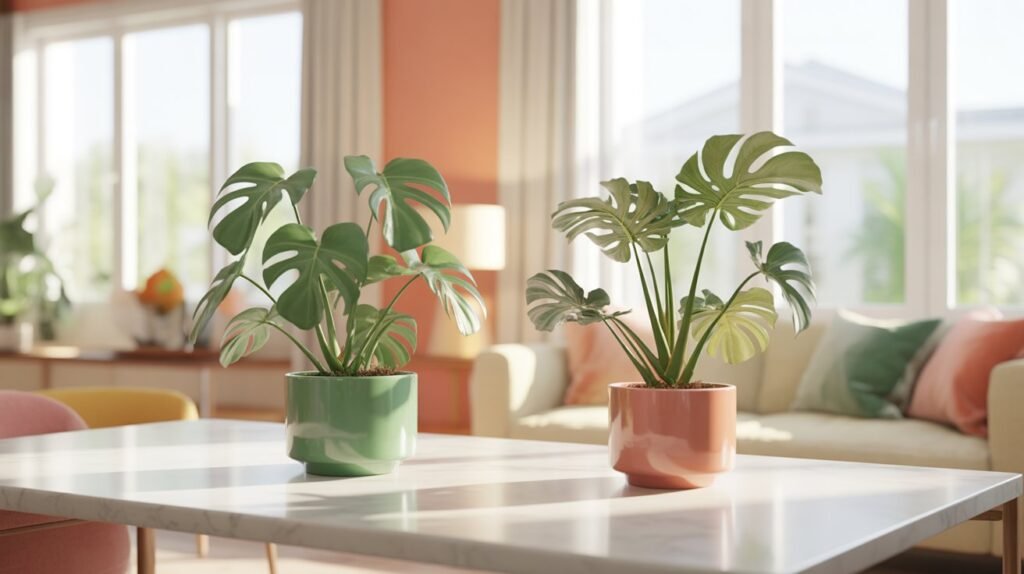
As recovery progresses, new healthy growth becomes visible, leaves regain firmness, and color improves. Monitoring changes weekly and maintaining steady care prevents setbacks. By sticking to a simple routine supported by Essential Houseplant Care Tips, indoor plants can bounce back stronger, healthier, and more resilient—bringing lasting beauty and balance to your living space.
Final Thoughts
Indoor plants are more than just decorative pieces—they are living organisms that communicate their needs through leaves, stems, and overall growth patterns. Yellow leaves, wilting, brown tips, leaf drop, and slow growth are all signals that your plants may be experiencing stress from watering, lighting, nutrient deficiencies, pests, or environmental changes. Recognizing these signs early and responding appropriately is key to maintaining healthy and vibrant indoor greenery.
Applying consistent Essential Houseplant Care Tips allows you to address problems effectively while preventing future issues. By observing your plants, adjusting watering routines, optimizing light, ensuring proper drainage, and monitoring for pests, you create an environment in which your indoor plants can thrive. These foundational care practices not only correct visible issues but also strengthen plant resilience over time.
With patience, attention, and diligent care, even stressed or struggling plants can recover beautifully. Healthy indoor plants enhance your home by improving air quality, boosting mood, and adding natural beauty to your décor. Following Essential Houseplant Care Tips ensures that your indoor garden remains a lush, vibrant, and visually stunning part of your living space, making every room feel fresh, lively, and welcoming.