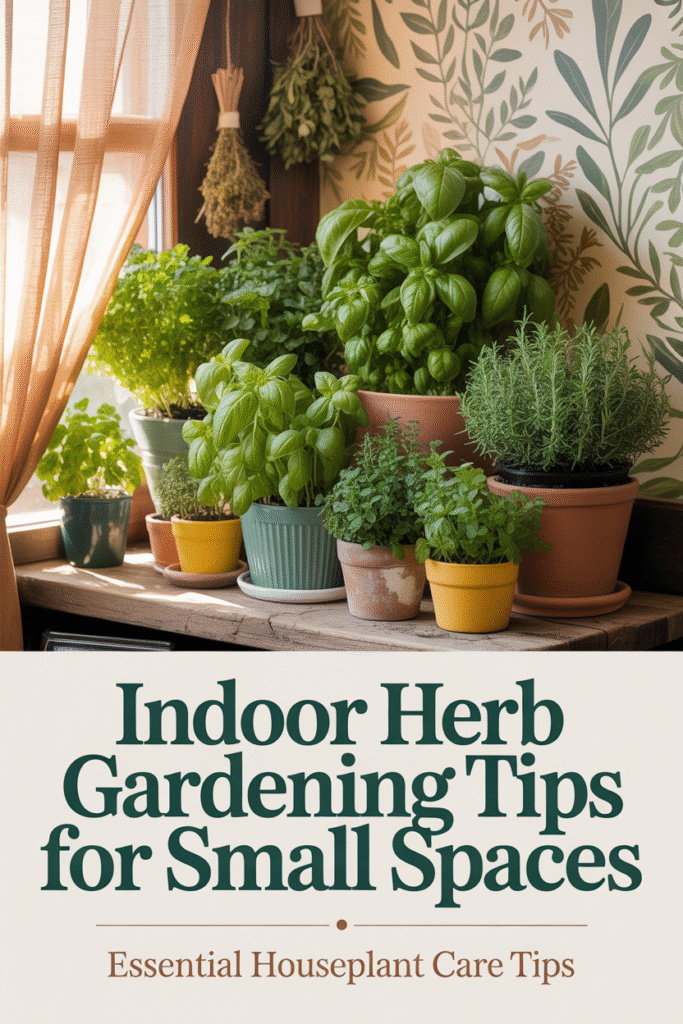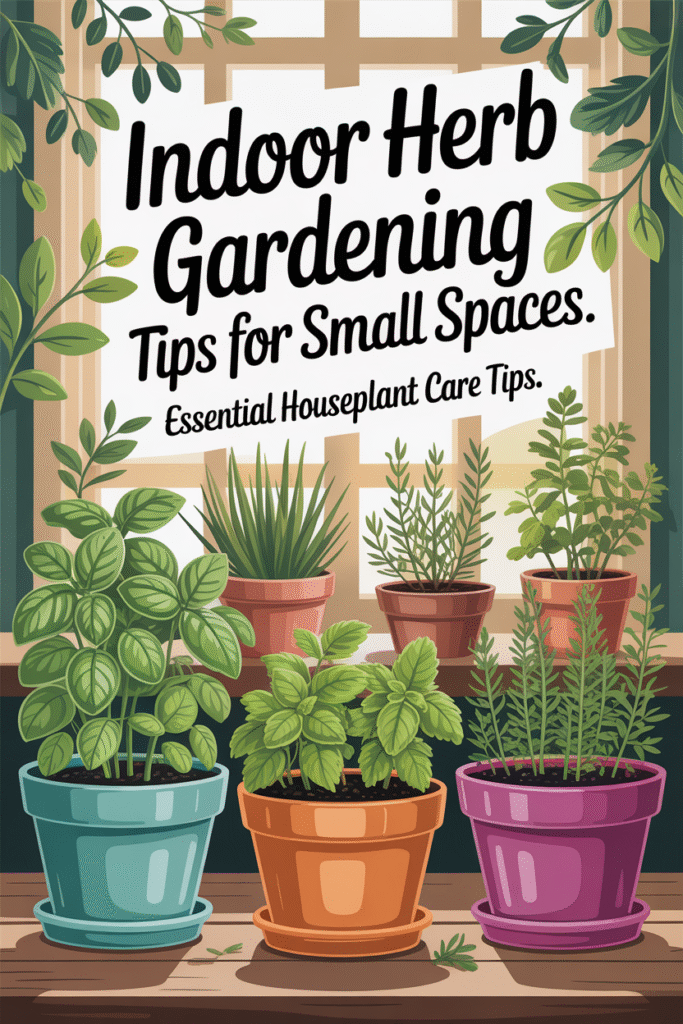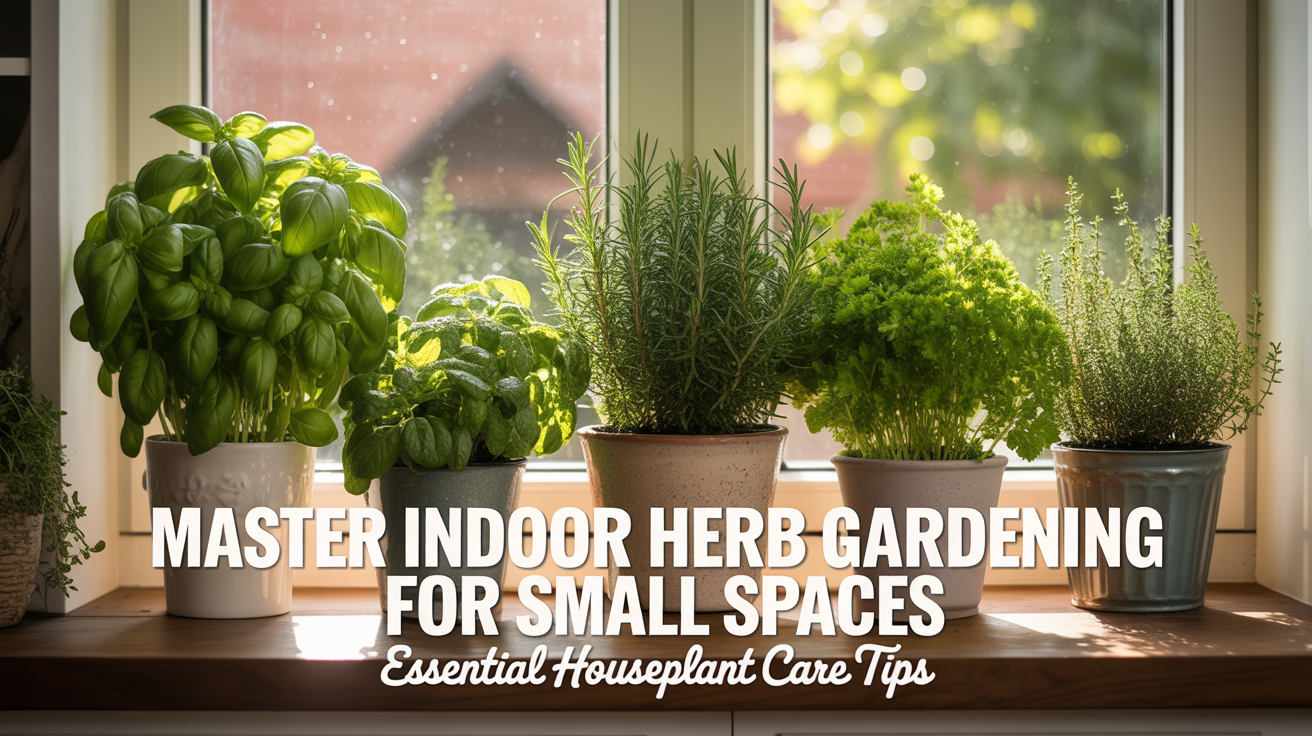
Indoor herb gardening is a fantastic way to bring fresh flavors, greenery, and a touch of nature into your home—especially if you have limited space. Even small apartments, compact kitchens, or cozy balconies can accommodate a thriving herb garden with a few smart strategies. With the right setup and a few Essential Houseplant Care Tips, anyone can enjoy aromatic, flavorful herbs at arm’s reach all year round.
Indoor Herb Gardening Tips for Small Spaces
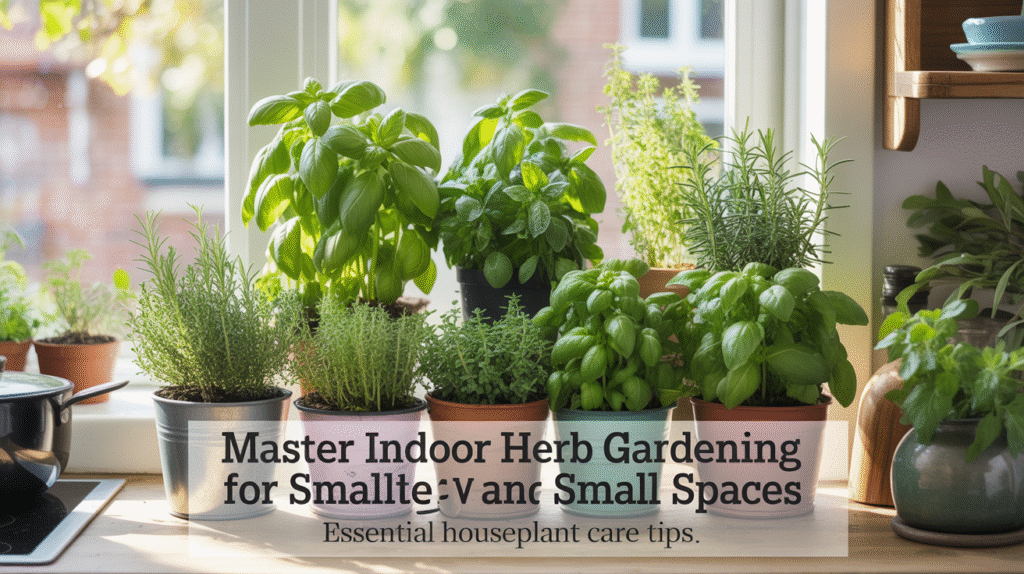
Small-space herb gardening encourages creativity in using containers, vertical spaces, and natural light effectively. Herbs like basil, mint, parsley, and thyme are ideal for indoor growing because they adapt well to pots, hanging planters, and windowsills. By understanding basic watering, lighting, and pruning practices, you can maximize your growth even in limited areas. Following simple Essential Houseplant Care Tips ensures your plants remain healthy, productive, and visually appealing.
In this guide, you’ll learn how to create a compact indoor herb garden that thrives with minimal effort. From choosing the right pots to selecting beginner-friendly herbs, these practical strategies will help you grow fresh herbs conveniently while making the most of your available space. Implementing these Essential Houseplant Care Tips will transform even the smallest corner into a vibrant, aromatic mini-garden.
1: Choose the Right Herbs for Small Spaces
Selecting the right herbs is crucial when gardening indoors with limited space. Opt for compact, low-maintenance varieties such as basil, chives, parsley, thyme, or oregano. These herbs grow well in small pots and don’t require extensive care, making them perfect for beginners or busy gardeners. Choosing appropriate herbs is one of the most important Essential Houseplant Care Tips, ensuring your indoor garden thrives without overcrowding.
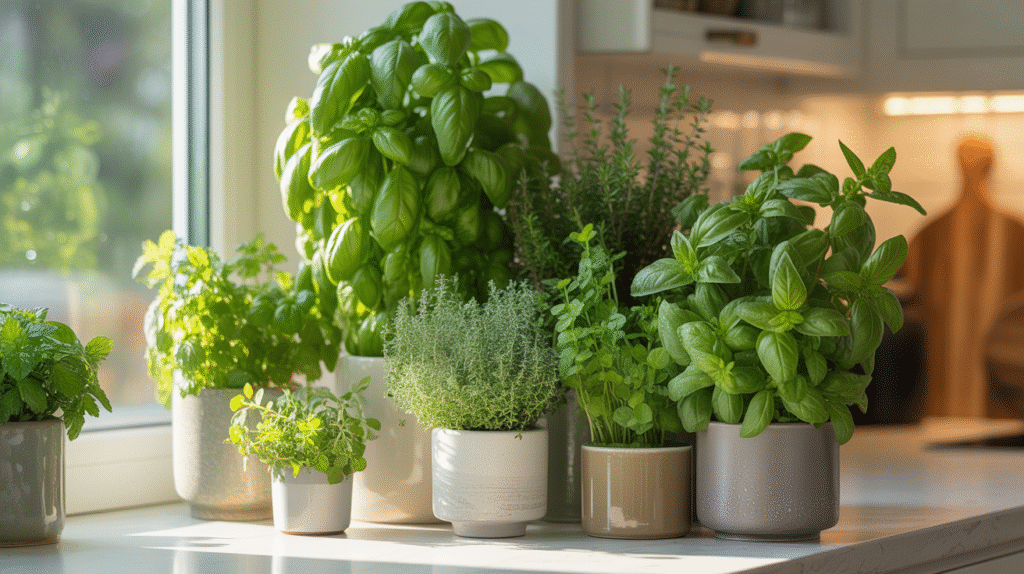
When selecting herbs, consider growth habits and light requirements. For example, basil and parsley enjoy bright light, while mint and chives tolerate partial sunlight. Compact herbs like thyme and oregano remain small and bushy, making them ideal for windowsills or small shelves. Matching herbs to your space and lighting conditions helps maintain healthy growth and prevents frustration for beginners
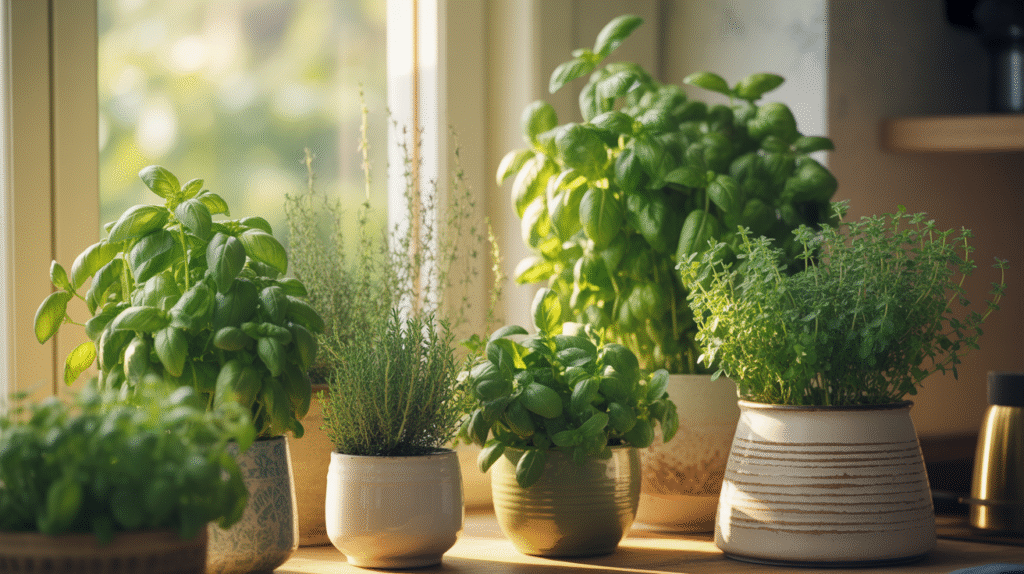
By focusing on beginner-friendly and space-efficient herbs, you can enjoy a diverse, productive mini-garden without overwhelming your living area. Correct herb selection lays the foundation for a successful indoor herb garden, allowing you to apply further Essential Houseplant Care Tips for watering, light, and pruning to achieve consistent growth and vibrant greenery.
2: Optimize Light for Small Spaces
Lighting is one of the most critical factors for indoor herb success, especially in small spaces. Most herbs require bright, indirect sunlight to thrive. If natural light is limited, consider placing your herbs near a south-facing window or using compact LED grow lights. Proper lighting is an essential part of bold Essential Houseplant Care Tips bold, ensuring your herbs develop strong stems, vibrant leaves, and aromatic flavors.
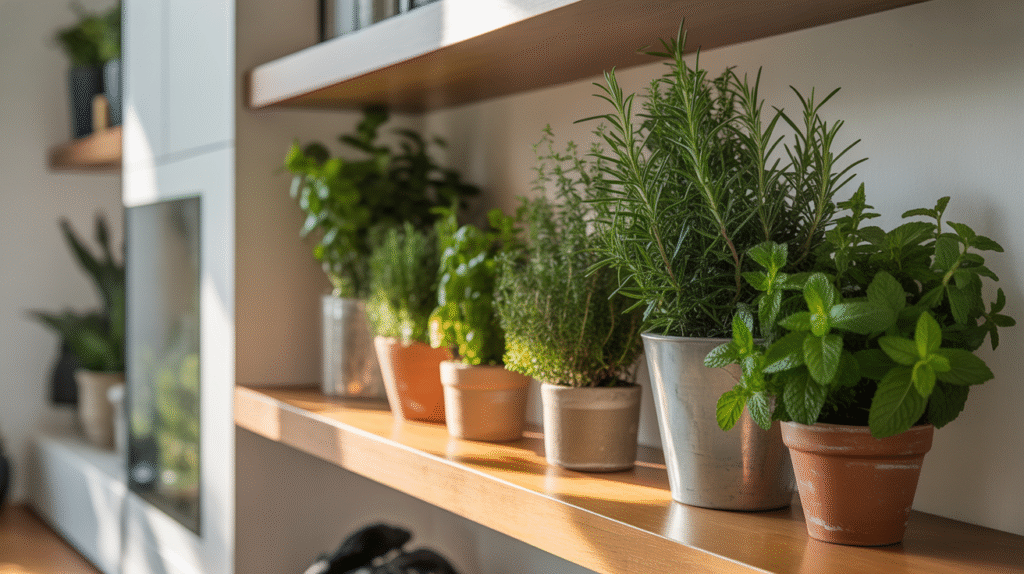
In small spaces, creative solutions can maximize light exposure. Use shelves, window sills, or hanging planters to bring plants closer to natural light sources. Rotate your herbs regularly so all sides receive adequate illumination, which prevents uneven growth and leggy plants. These simple adjustments make a huge difference in plant health and productivity.
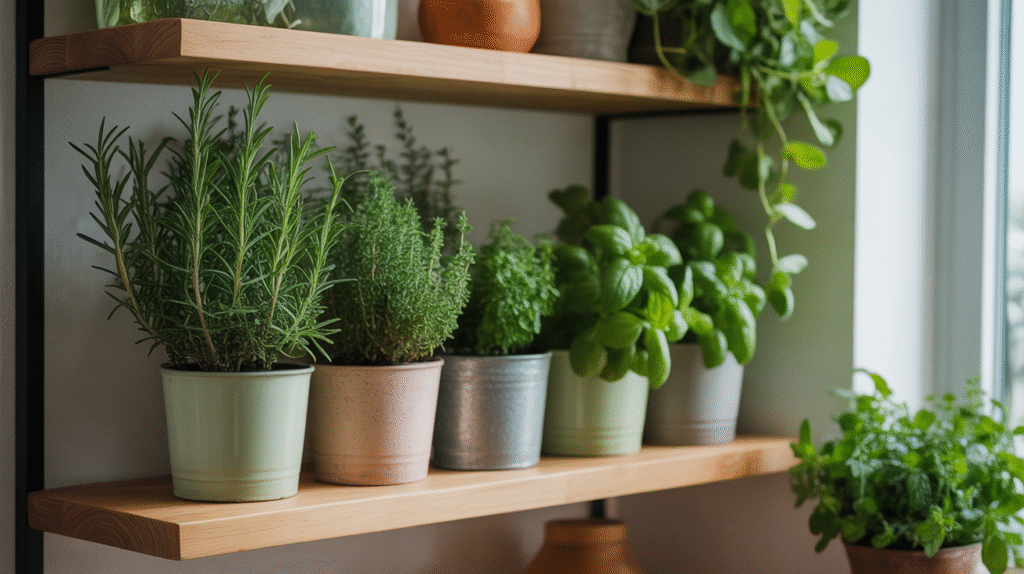
With optimized light, your indoor herbs will thrive even in limited areas. Bright, consistent illumination, paired with other Essential Houseplant Care Tips, ensures that your mini herb garden stays lush, green, and productive throughout the year.
3: Use Space-Saving Containers
When gardening in small spaces, the choice of containers can make or break your indoor herb setup. Compact, vertical, or stackable pots allow you to grow multiple herbs without taking up valuable counter or shelf space. Using the right containers is a key bold Essential Houseplant Care Tips bold, helping your plants thrive while keeping your space organized and attractive.
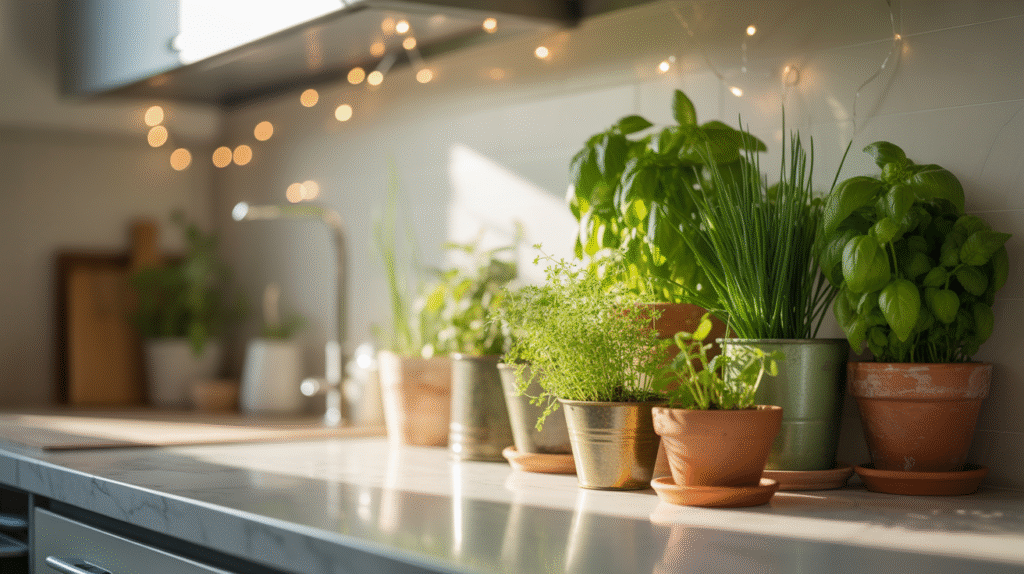
Consider options like hanging planters, tiered shelves, or self-watering pots to optimize limited areas. Small herbs such as chives, thyme, and oregano do well in petite containers, while basil or parsley may need slightly larger pots for root expansion. Choosing containers that provide proper drainage ensures healthy root growth and prevents overwatering issues.
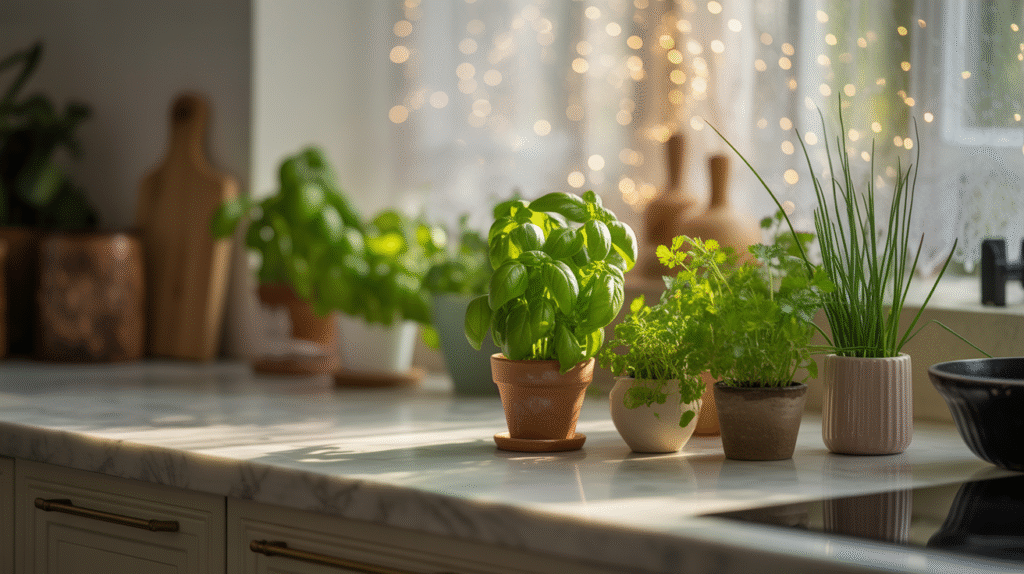
By selecting smart, space-efficient containers, you maximize your small indoor garden’s potential. Pairing these containers with other Essential Houseplant Care Tips, such as appropriate watering and lighting, ensures your herbs remain vibrant, productive, and visually appealing.
4: Watering Tips for Small Indoor Herb Gardens
Proper watering is essential for maintaining healthy herbs in small spaces. Overwatering can quickly lead to root rot, while underwatering can cause leaves to wilt and stunt growth. Understanding the right balance is a crucial bold Essential Houseplant Care Tips bold, ensuring your herbs remain vibrant and productive.
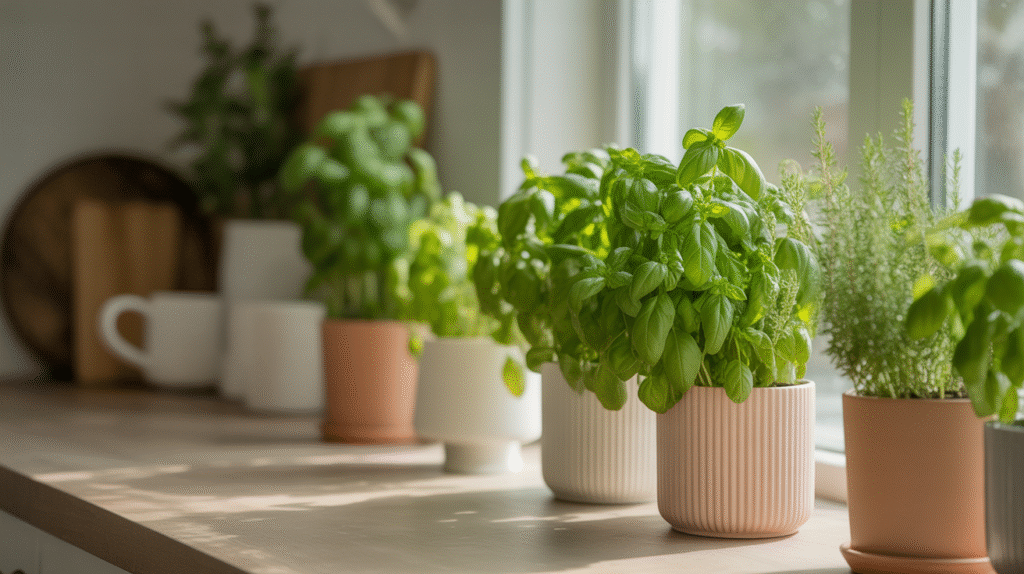
For small indoor gardens, it’s best to water when the top inch of soil feels dry. Using pots with drainage holes allows excess water to escape, preventing waterlogging. Compact herbs like chives, thyme, and oregano need less frequent watering, while moisture-loving herbs such as basil and parsley require consistent soil hydration. Regularly checking soil moisture and adjusting watering frequency based on plant needs ensures optimal growth.
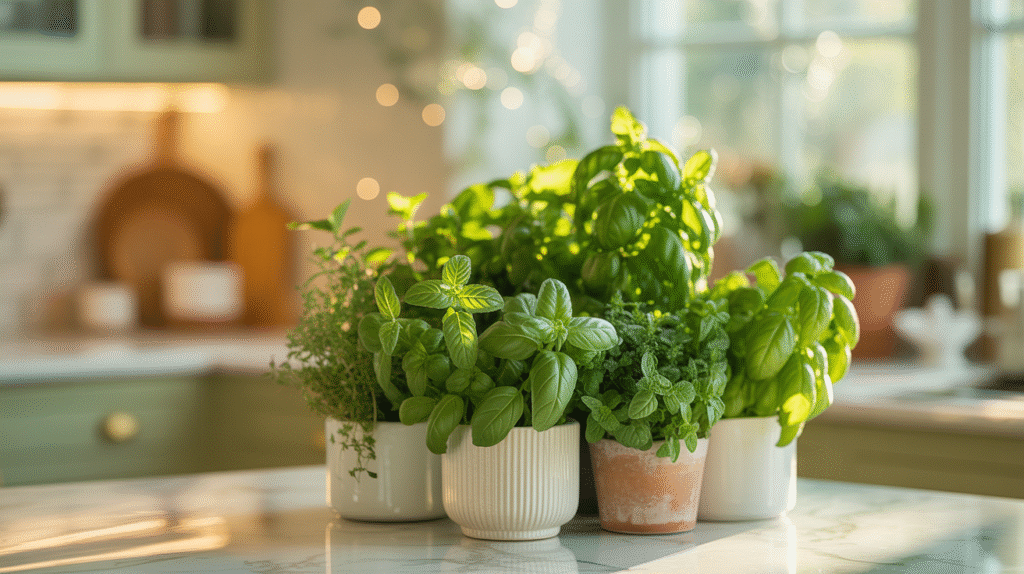
By following these simple watering strategies, even small indoor herb gardens can flourish. Combining proper watering with other Essential Houseplant Care Tips, such as adequate light and space-efficient containers, guarantees lush, healthy herbs all year round.
5: Pruning and Harvesting for Continuous Growth
Regular pruning and harvesting are vital for keeping herbs healthy and productive, especially in small indoor gardens. Trimming leaves and stems encourages bushier growth, prevents legginess, and ensures a steady supply of fresh herbs. This is a fundamental part of bold Essential Houseplant Care Tips bold, helping your herbs thrive even in limited spaces.
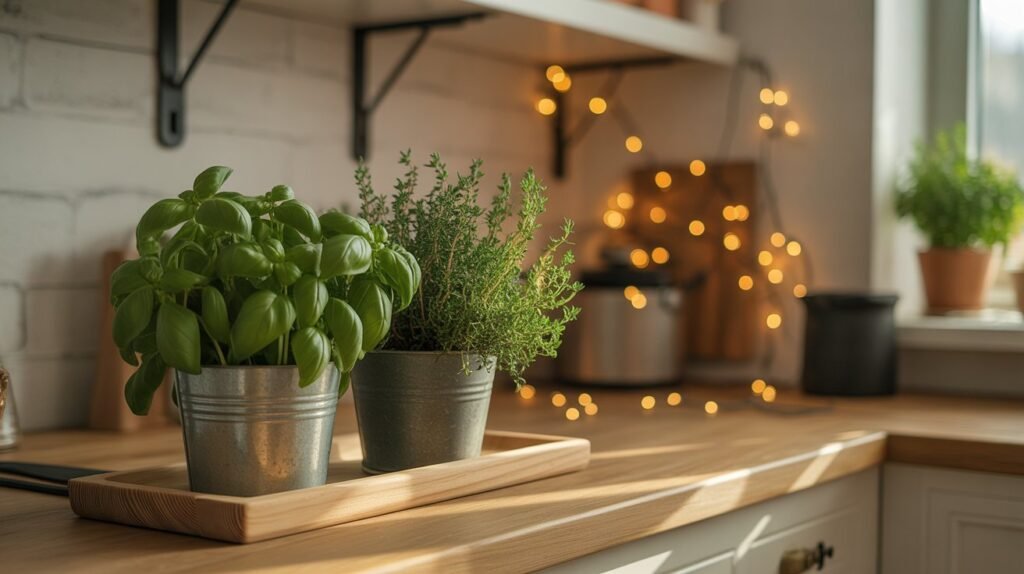
When pruning, always cut just above a leaf node or stem junction. Avoid removing more than one-third of the plant at a time to prevent stress. Frequent harvesting not only provides fresh leaves for cooking but also promotes air circulation and overall plant health, reducing the likelihood of pests or disease.
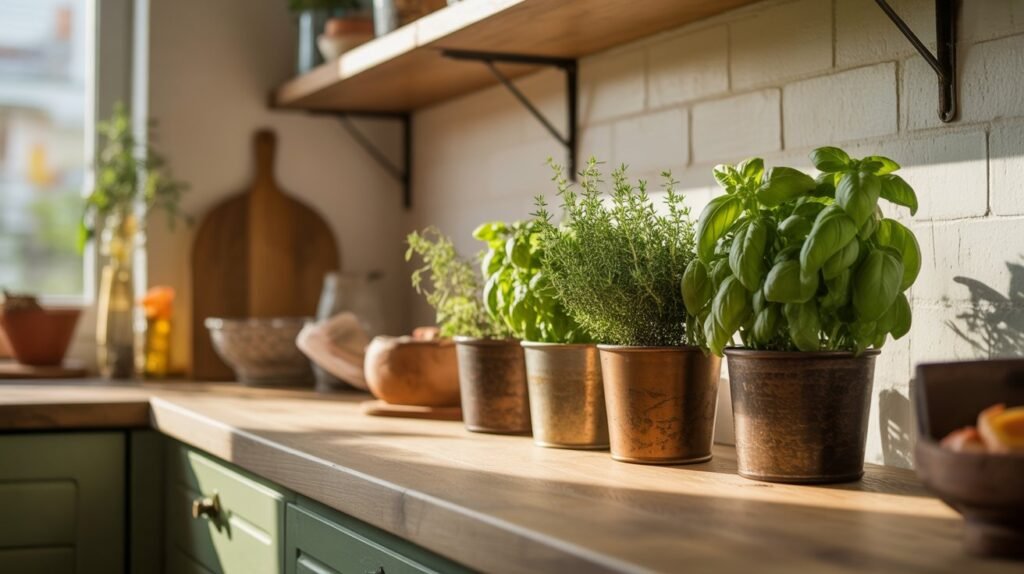
Incorporating pruning and harvesting into your routine guarantees a lush, productive herb garden. By combining this practice with other Essential Houseplant Care Tips, such as proper lighting, watering, and container choice, your indoor herbs will flourish in small spaces throughout the year.
6: Use Vertical and Hanging Space
Maximizing vertical and hanging space is a game-changer for small indoor herb gardens. Shelves, hanging planters, and wall-mounted pots allow you to grow more herbs without cluttering countertops or windowsills. Utilizing vertical space effectively is a key bold Essential Houseplant Care Tips bold, helping you create a lush, productive garden in a compact area.
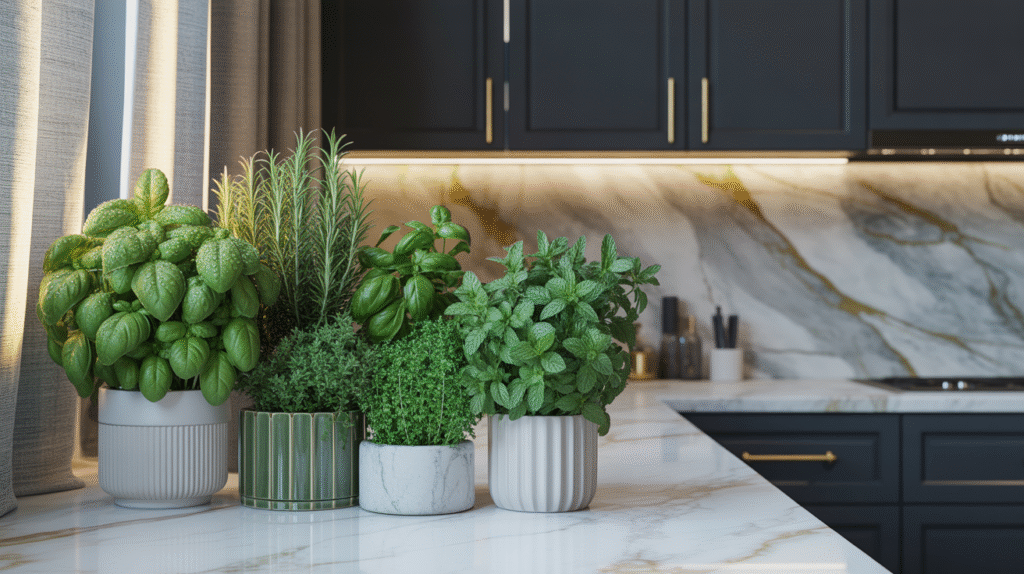
Hanging planters work well for trailing herbs like mint or oregano, while tiered shelves can accommodate multiple pots of basil, parsley, and thyme. Position plants near natural light sources and rotate them regularly to ensure even growth. This approach not only saves space but also adds a decorative, layered look to your indoor garden.
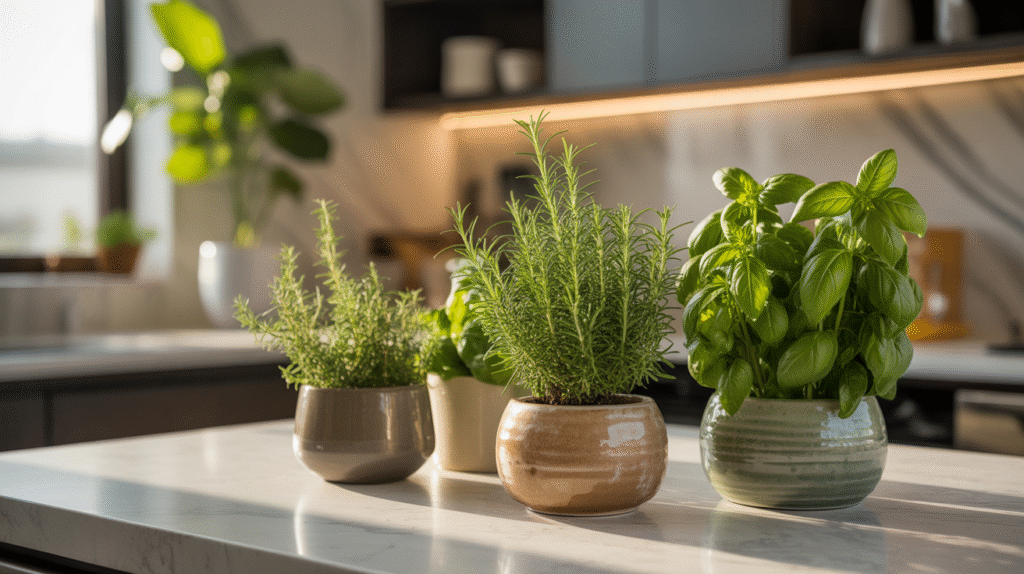
By creatively using vertical and hanging solutions, even the smallest areas can host a thriving herb garden. Pairing this technique with other Essential Houseplant Care Tips, like proper watering and pruning, ensures your herbs stay healthy, vibrant, and continuously productive.
7: Choose the Right Soil and Fertilizer
Healthy herbs start with the right soil and proper fertilization. Use a well-draining potting mix that retains enough moisture without becoming waterlogged. Choosing quality soil and applying nutrients appropriately is a vital part of bold Essential Houseplant Care Tips bold, helping your indoor herbs grow strong and flavorful even in limited spaces.
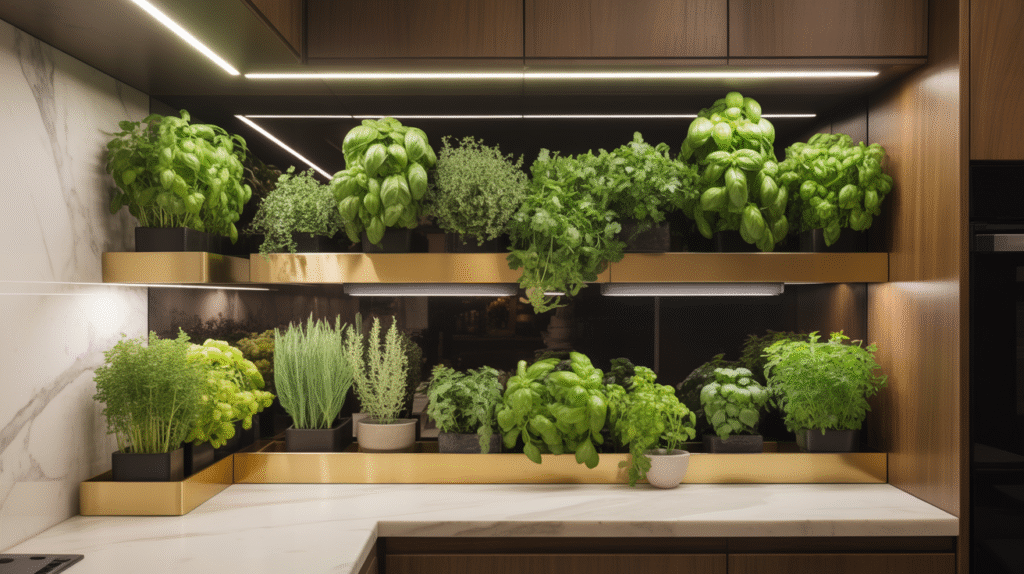
For small indoor gardens, a balanced, water-soluble fertilizer applied once a month during the growing season provides essential nutrients. Light feeding encourages lush foliage and improves flavor in culinary herbs like basil, parsley, and thyme. Avoid over-fertilizing, as this can harm delicate plants and reduce overall growth.
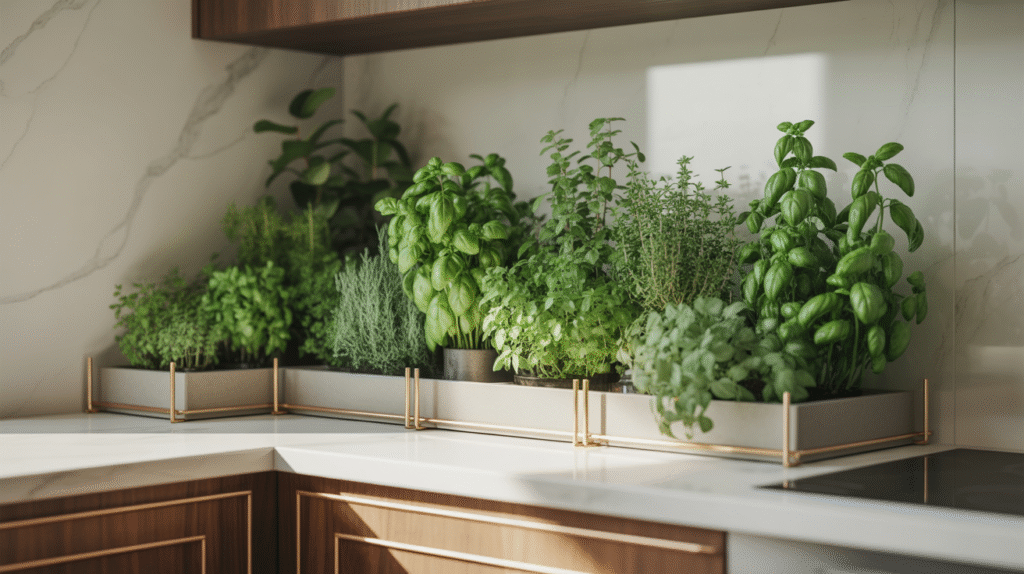
By selecting the proper soil and providing occasional nutrients, your indoor herbs will remain healthy and productive. Combining this with other Essential Houseplant Care Tips, such as watering correctly and optimizing light, ensures a thriving kitchen garden in small spaces year-round.
8: Maintain Proper Air Circulation
Good air circulation is essential for preventing mold, mildew, and pest problems in small indoor herb gardens. Stagnant air can cause leaves to yellow or stems to weaken. Ensuring airflow is a key bold Essential Houseplant Care Tips bold, helping your herbs stay strong, healthy, and productive even in limited spaces.
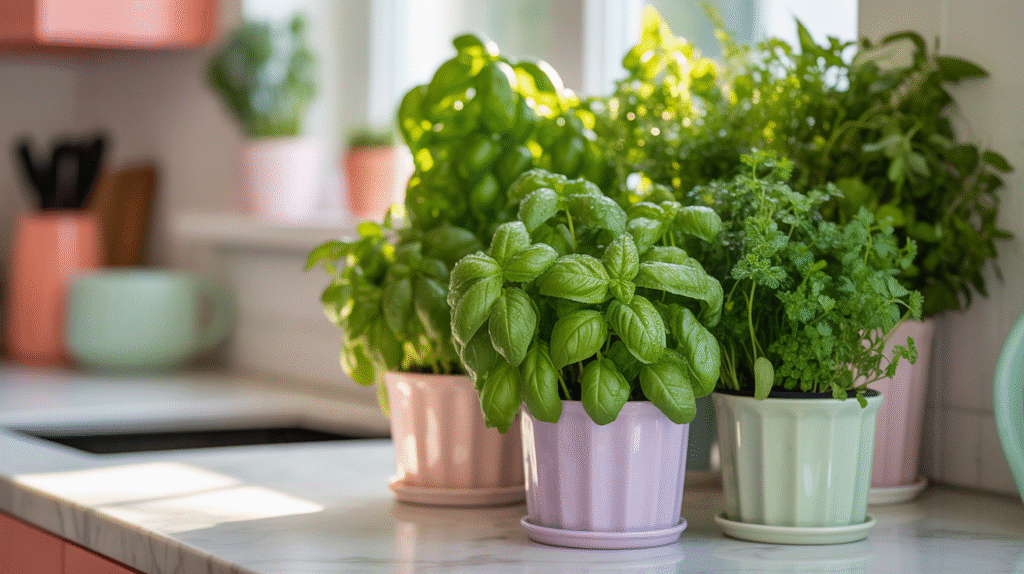
You can improve circulation by placing a small fan nearby, opening windows periodically, or spacing plants slightly apart to allow air to move freely around them. Proper ventilation also helps prevent fungal growth and reduces the risk of insect infestations. Even in compact setups, small adjustments can make a significant difference in plant health.
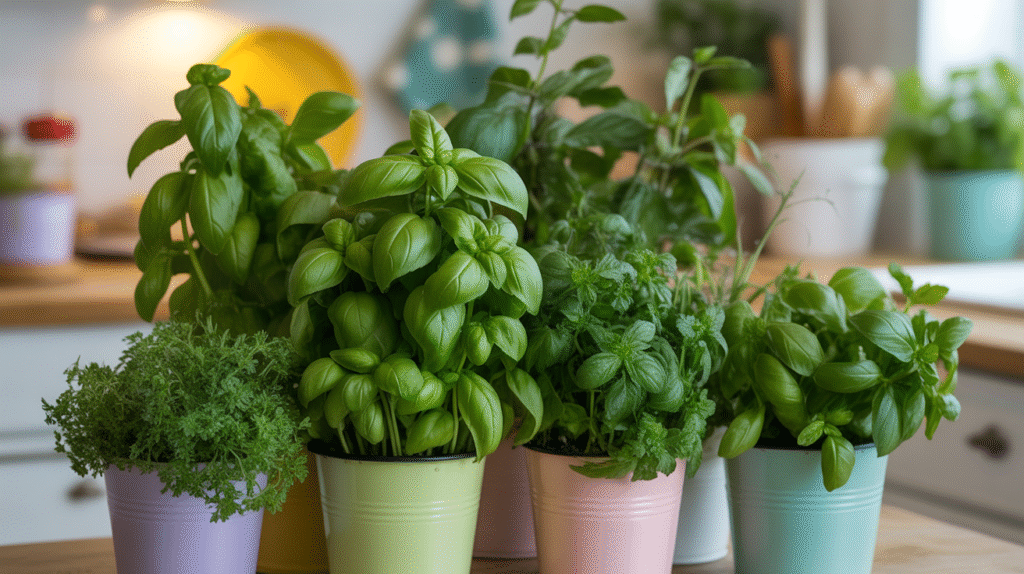
By maintaining good airflow, your indoor herbs will thrive and maintain vibrant foliage. Pairing this with other Essential Houseplant Care Tips, like correct watering, pruning, and lighting, ensures a healthy, flourishing mini herb garden all year round.
9: Monitor for Pests and Diseases
Even small indoor herb gardens can face challenges from pests and diseases. Regular monitoring helps you catch problems early, preventing damage to your plants. Inspecting leaves, stems, and soil is an important bold Essential Houseplant Care Tips bold, ensuring your herbs remain healthy, vibrant, and productive.
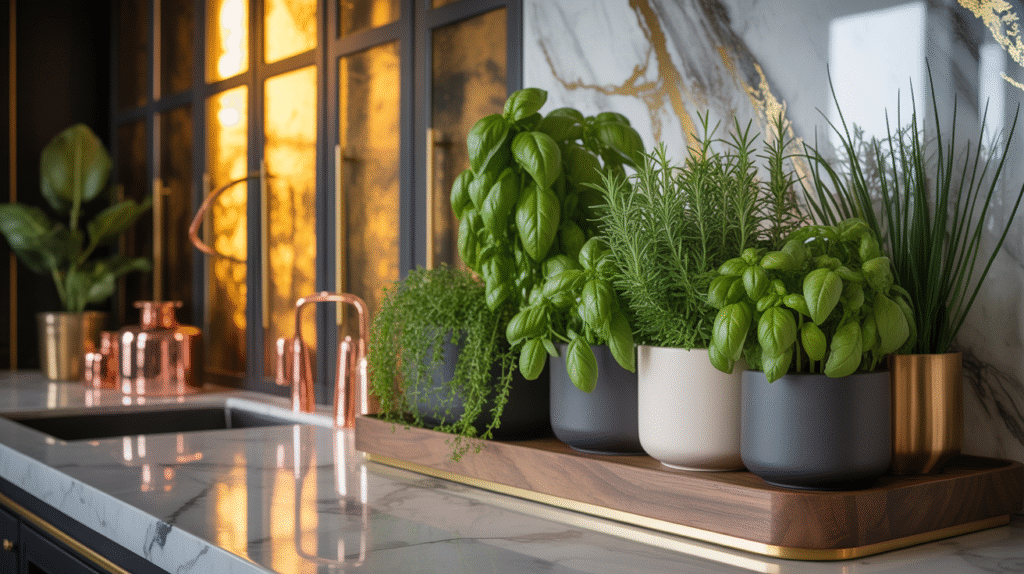
Common indoor pests include aphids, spider mites, and fungus gnats. If detected, address infestations promptly using natural remedies like neem oil or mild soapy water. Maintaining clean pots, removing dead leaves, and avoiding overwatering also reduces the risk of fungal infections. Consistent care keeps your herbs thriving and prevents minor issues from becoming major problems.
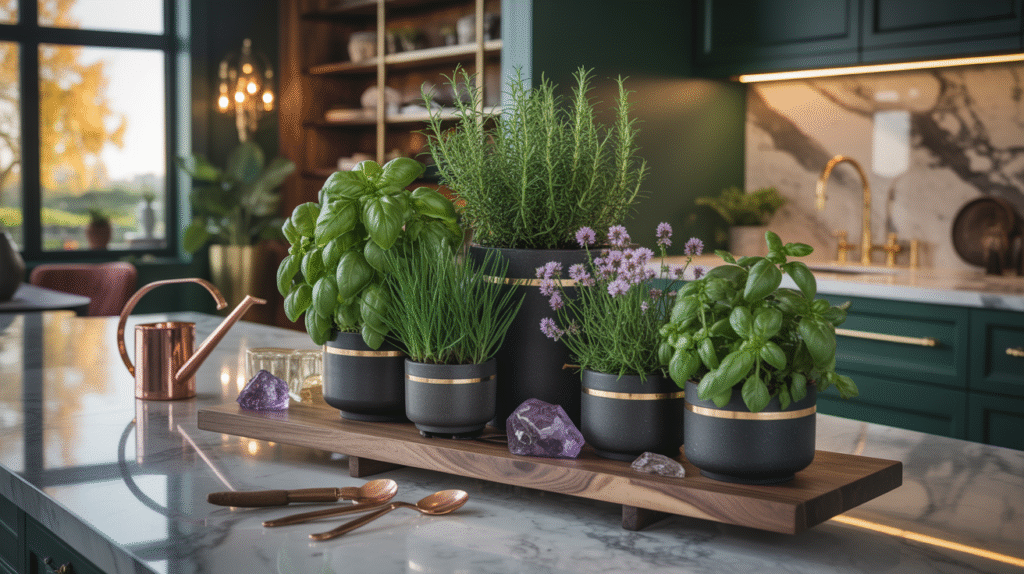
By staying proactive and observing your plants regularly, you can maintain a lush, pest-free herb garden even in small spaces. Combining this with other Essential Houseplant Care Tips, such as proper light, watering, and airflow, ensures a strong, flourishing indoor herb collection year-round.
10: Rotate Plants Regularly for Even Growth
Rotating your indoor herbs regularly is a simple yet highly effective technique to ensure even growth and prevent plants from leaning toward a light source. Herbs grown in small indoor spaces often receive light from one direction only, which can cause uneven stems and leaves. By gently turning pots every few days, you help each side of the plant receive adequate sunlight, supporting stronger stems, fuller foliage, and healthier overall growth. This is an essential part of bold Essential Houseplant Care Tips bold for maintaining a thriving small-space herb garden.
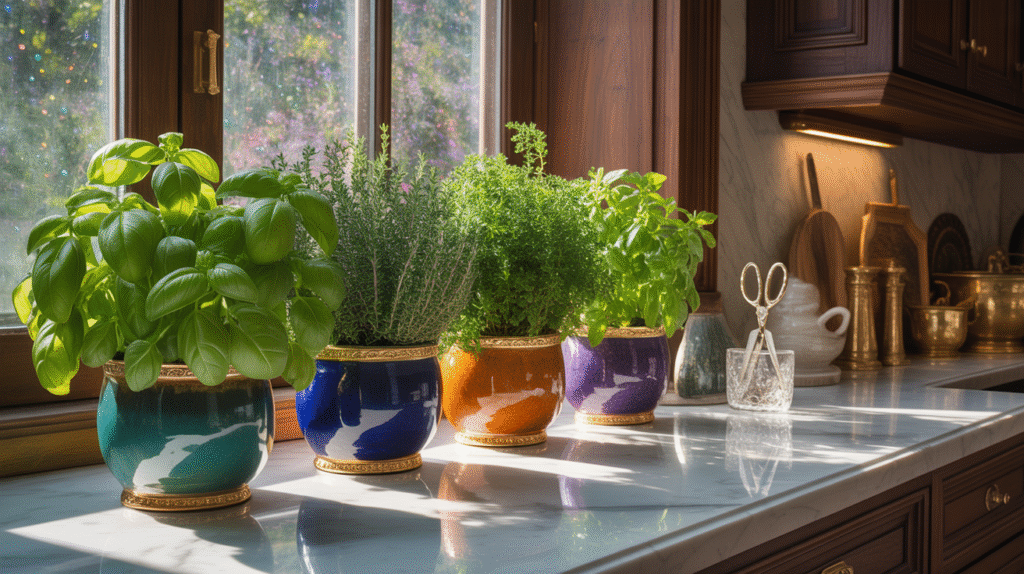
In addition to promoting balanced growth, rotation prevents one side of the plant from becoming too leggy or weak. This is especially important for herbs like basil, parsley, and thyme, which are often harvested regularly. Rotating ensures all leaves develop evenly, making the herbs more productive and aesthetically pleasing.
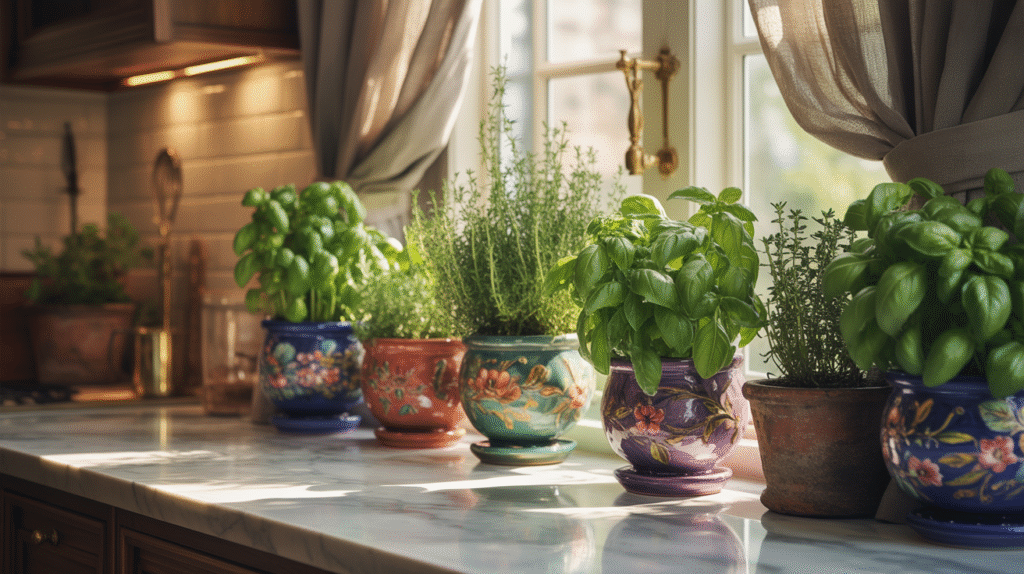
Incorporating plant rotation into your care routine is quick and easy, yet it has a significant impact on the health of your indoor herb garden. Combined with other Essential Houseplant Care Tips, such as proper watering, pruning, and lighting, this small adjustment can make your herbs flourish even in the tiniest spaces.
Final Thoughts
Creating a thriving indoor herb garden in a small space is easier than you might think. With careful selection of compact herbs, smart use of containers, and attention to essential factors like lighting, watering, and airflow, even limited areas can produce lush, flavorful herbs all year round. Implementing these bold Essential Houseplant Care Tips bold will help you maintain healthy, productive plants that enhance your kitchen, living space, and cooking experience.
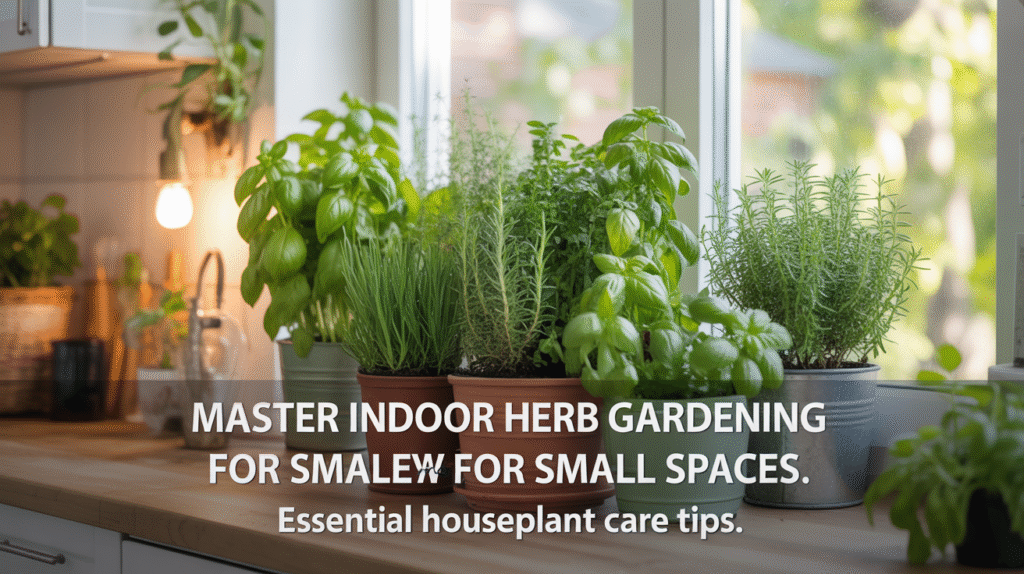
Remember, small adjustments such as pruning, rotating plants, and monitoring for pests make a big difference in the long-term success of your garden. By combining these strategies with creative use of vertical space and careful attention to soil and nutrients, you can enjoy a vibrant indoor herb garden without overwhelming your living area.
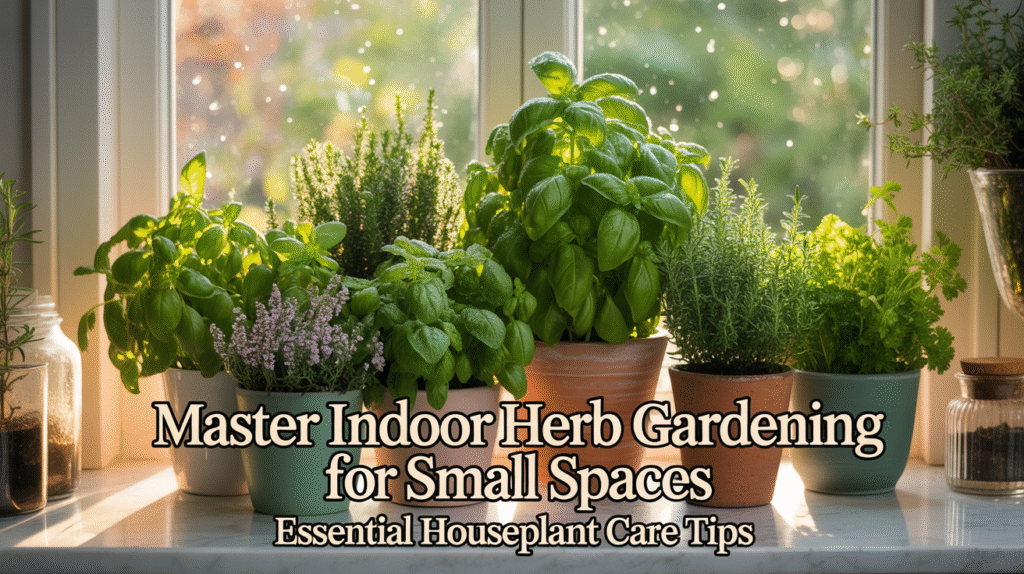
Whether you’re a beginner or an experienced gardener, these tips provide a practical roadmap for growing fresh, aromatic herbs in small spaces. Following these Essential Houseplant Care Tips consistently ensures your indoor herb garden stays lush, visually appealing, and highly rewarding throughout the year.