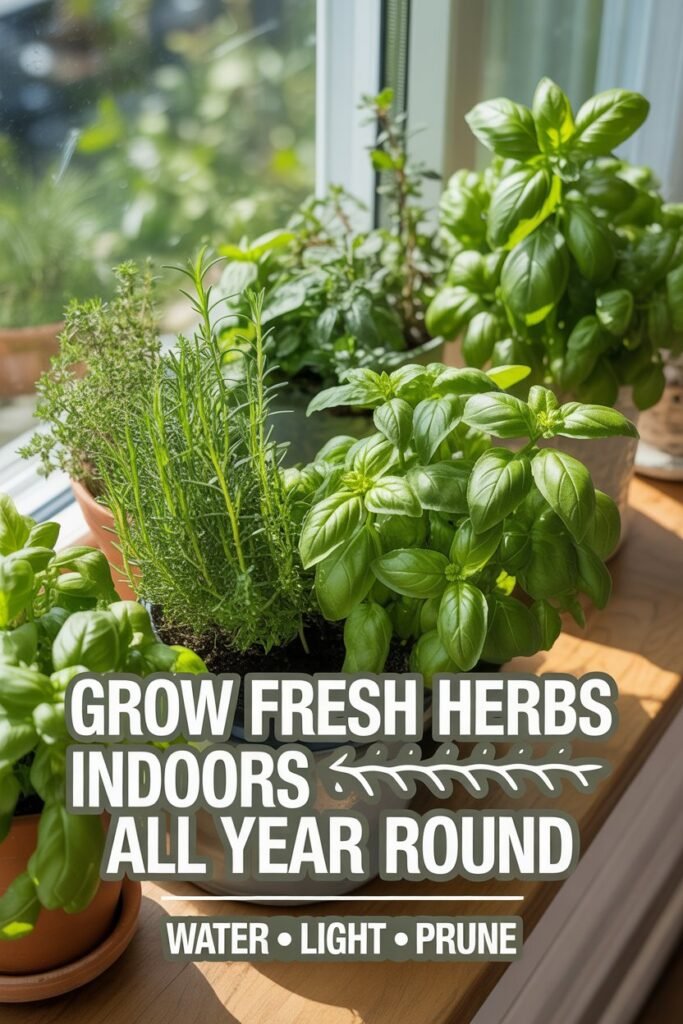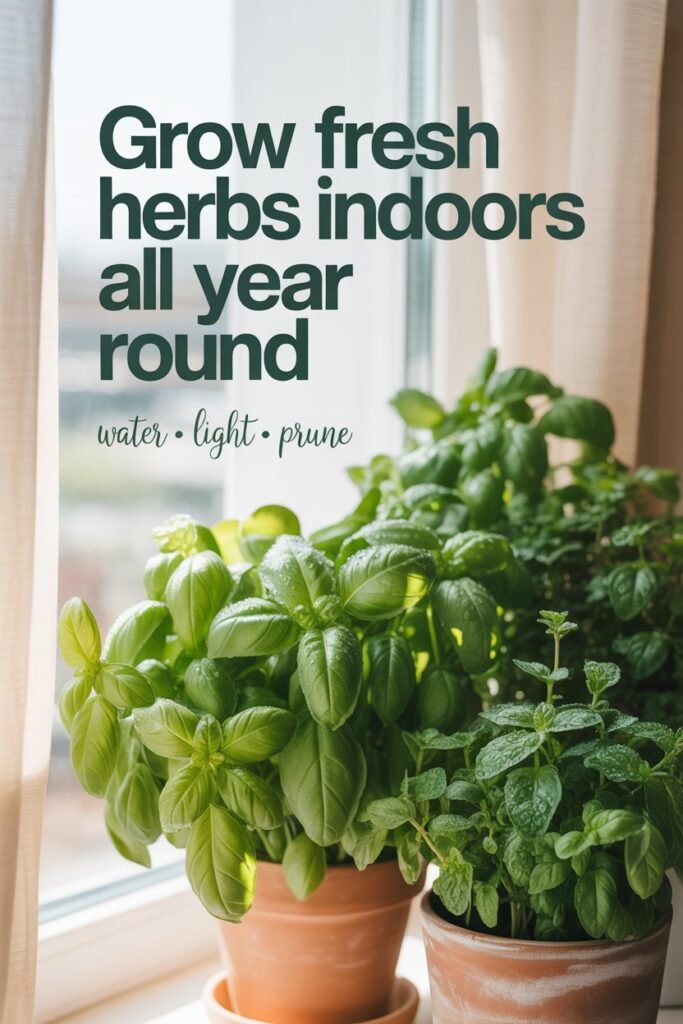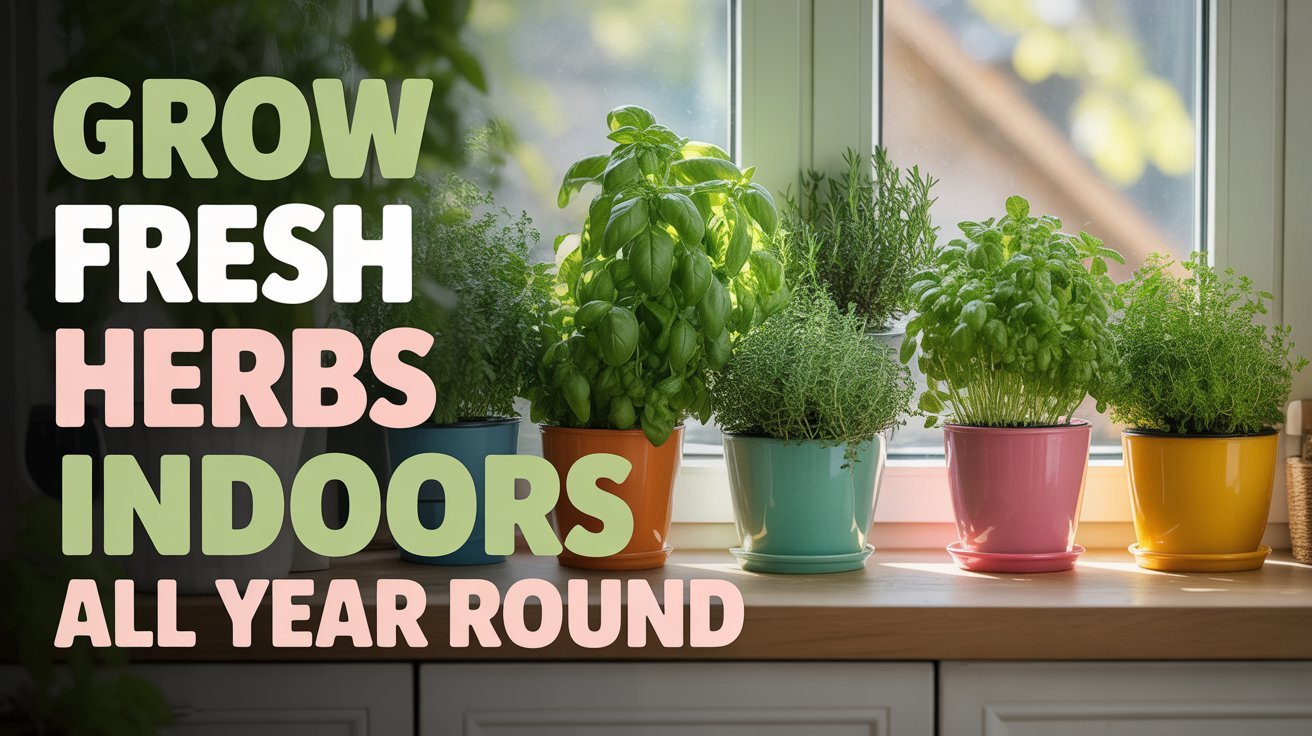
Growing fresh herbs indoors all year round is one of the easiest ways to elevate your cooking, refresh your home, and enjoy greenery no matter the season. Whether you’re working with a sunny windowsill, a small apartment kitchen, or a full indoor garden setup, learning how to properly care for herbs ensures they thrive continuously. With smart techniques and bold Essential Houseplant Care Tips bold, even beginners can maintain lush, fragrant herbs at home.
How to Grow Fresh Herbs Indoors All Year Round
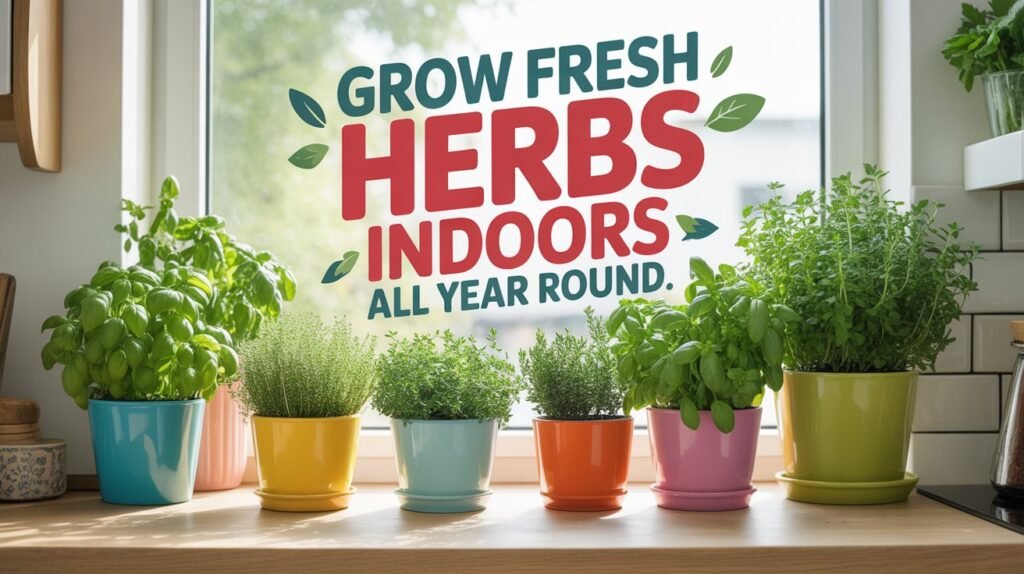
Indoor herb gardening isn’t just about placing a pot near a window — it’s about understanding light, watering, soil, temperature, and ongoing plant maintenance. Many people struggle because herbs grown indoors have slightly different needs than outdoor herbs. But with the right approach, you can enjoy basil, mint, rosemary, thyme, parsley, and more—alive, aromatic, and ready for picking every single day.
This guide simplifies herb care into easy, practical steps that fit into any lifestyle. By learning how to optimize lighting, feeding routines, watering schedules, and proper potting methods, you’ll build a thriving indoor herb garden that keeps producing fresh leaves endlessly. These beginner-friendly strategies combine smart gardening techniques with bold Essential Houseplant Care Tips bold, helping your herbs stay healthy, flavorful, and vibrant all year long.
1: Choose the Right Herbs for Indoor Growing
Not all herbs grow well indoors, so choosing the right varieties is the first step toward a successful indoor herb garden. Some herbs simply adapt better to indoor light levels, regulated temperatures, and limited space. Popular choices like basil, mint, parsley, chives, thyme, oregano, and cilantro tend to thrive indoors and require minimal effort. Selecting herbs that naturally prefer stable environments ensures stronger growth and healthier harvests with the help of bold Essential Houseplant Care Tips bold.
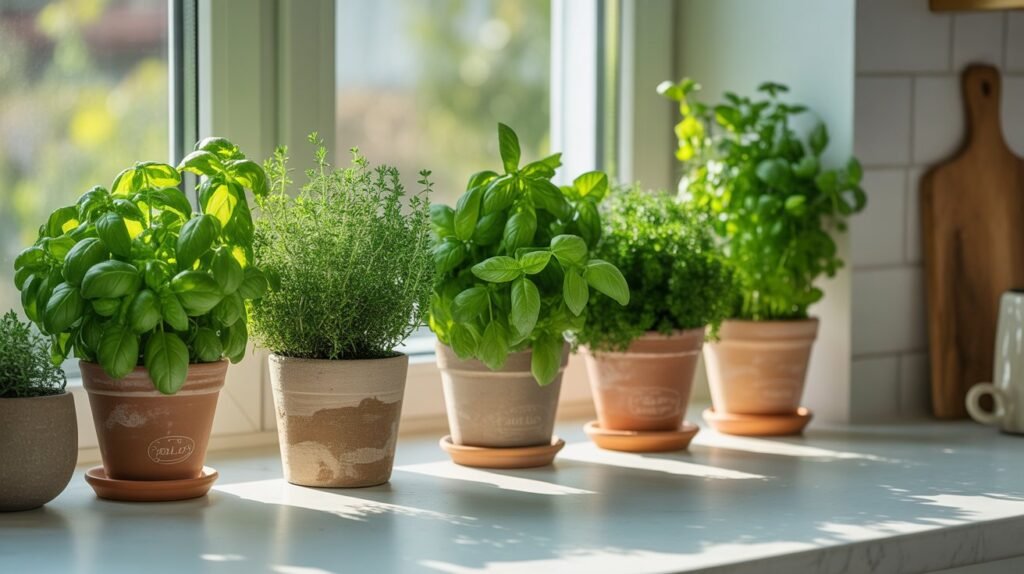
When selecting herbs, consider your home’s lighting conditions. For example, basil and rosemary love bright light, while mint and parsley tolerate lower light areas. Starting with easy, resilient herbs gives beginners confidence and ensures quick results. You can grow herbs individually in small pots or create a mixed indoor herb garden for a visually appealing and fragrant display.
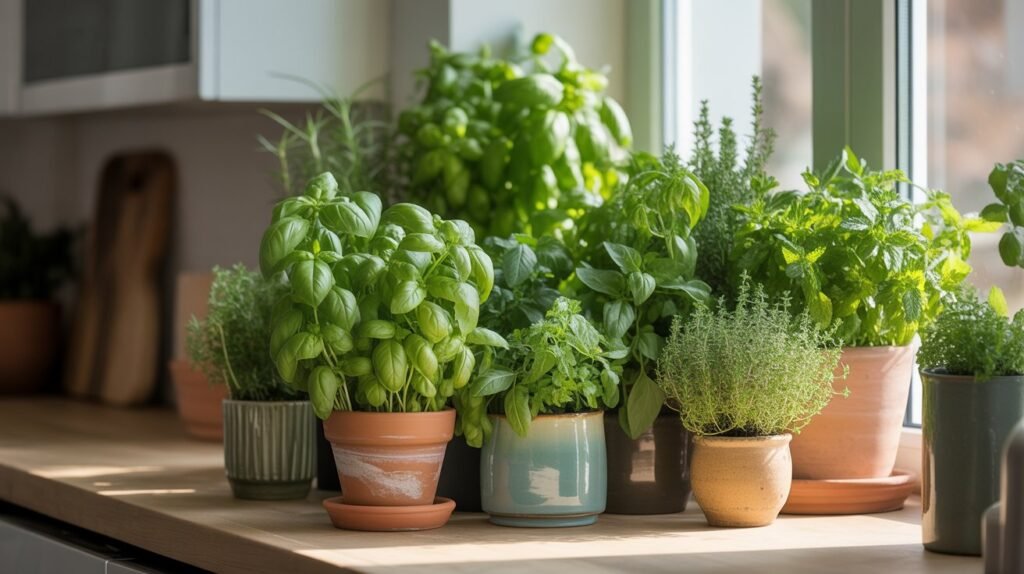
By choosing herbs that match your indoor environment, you’ll enjoy consistent growth and fresh leaves on demand. This approach keeps maintenance simple while helping your herb garden stay lush and productive year-round. It’s the perfect foundation for building a successful indoor gardening routine.
2: Give Your Herbs the Right Amount of Light
Light is the most important factor in keeping indoor herbs strong, fragrant, and productive. Most herbs need bright, indirect sunlight for at least 4–6 hours a day, especially sun-loving varieties like basil, rosemary, and thyme. Placing them near a south- or west-facing window ensures they receive enough brightness to fuel healthy growth. Understanding proper lighting is a key part of bold Essential Houseplant Care Tips bold, helping your herbs stay vibrant year-round.
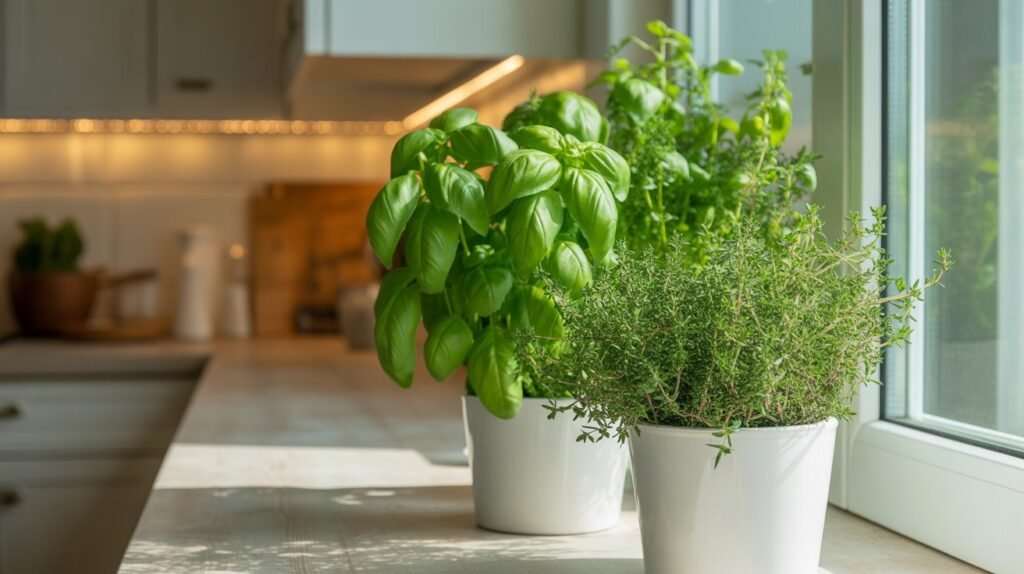
If your home doesn’t get enough natural sunlight, don’t worry—grow lights are an excellent solution. LED grow lights provide the full spectrum of light that herbs need to thrive, especially during winter or in low-light apartments. Keep the lights 6–12 inches above the plants and run them for 10–12 hours daily for optimal results. This ensures your herbs receive consistent light that mimics the sun, promoting fuller foliage and stronger aroma.
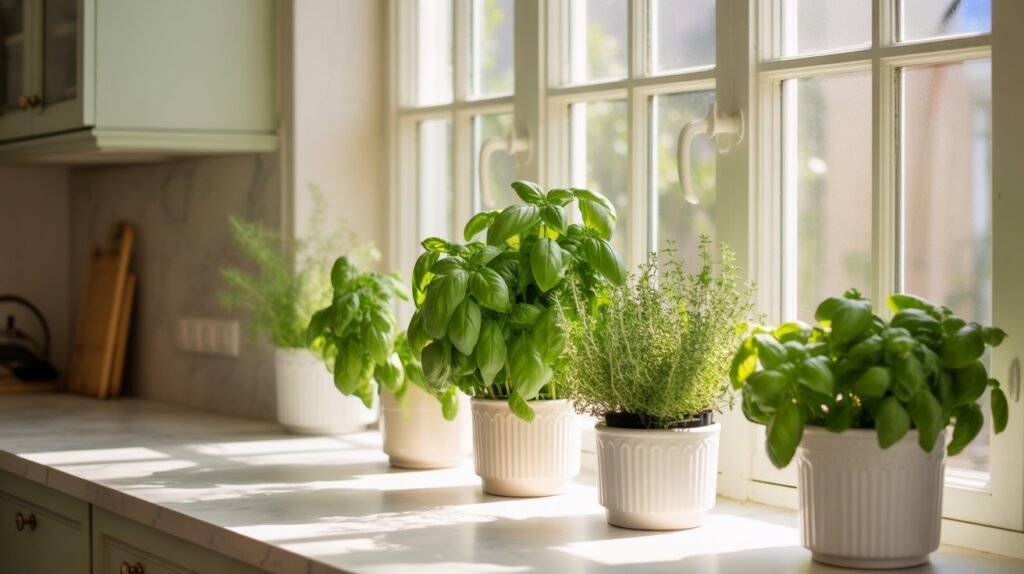
Maintaining good lighting helps prevent weak, leggy growth and pale leaves. With the right setup, your indoor herbs will grow dense, healthy, and flavorful, making it easy to harvest fresh greens anytime you need them. Good lighting is one of the simplest ways to keep your herb garden thriving all year long.
3: Water Your Herbs Properly to Avoid Root Rot
Watering is one of the most common challenges when growing herbs indoors. Overwatering is especially harmful, as it can suffocate the roots and lead to rot. Most herbs prefer slightly moist—not soggy—soil. Always check the top inch of soil; if it feels dry, it’s time to water. Mastering this simple routine is a core part of bold Essential Houseplant Care Tips bold, helping your herbs stay healthy and productive.
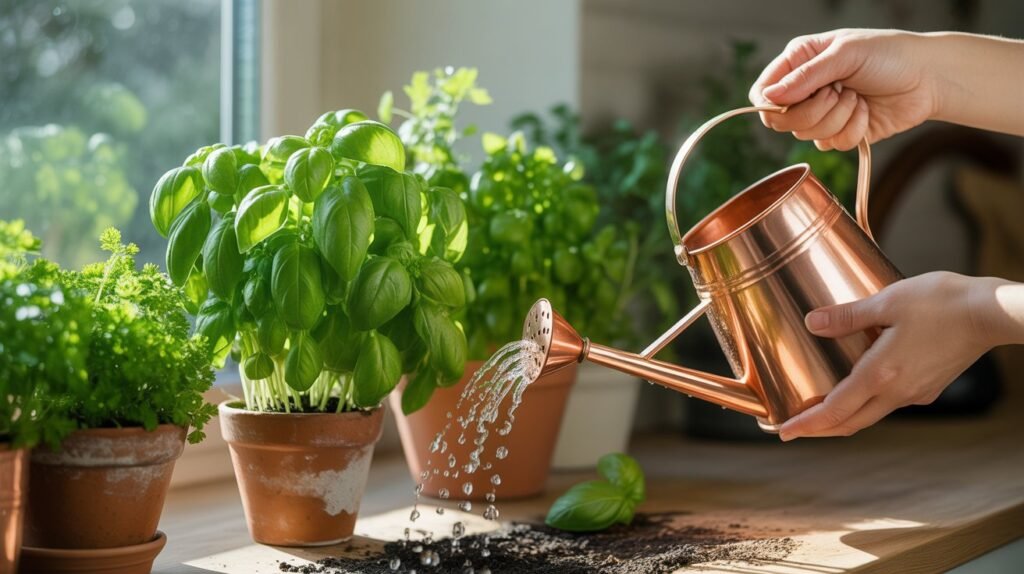
Use pots with drainage holes to prevent excess water from sitting at the bottom. Water slowly and evenly, allowing moisture to reach the entire root system. Some herbs, like rosemary and thyme, prefer drier soil, while basil and mint enjoy more consistent moisture. Adjusting your watering approach for each herb ensures stronger growth and prevents common issues like yellowing leaves or mildew.
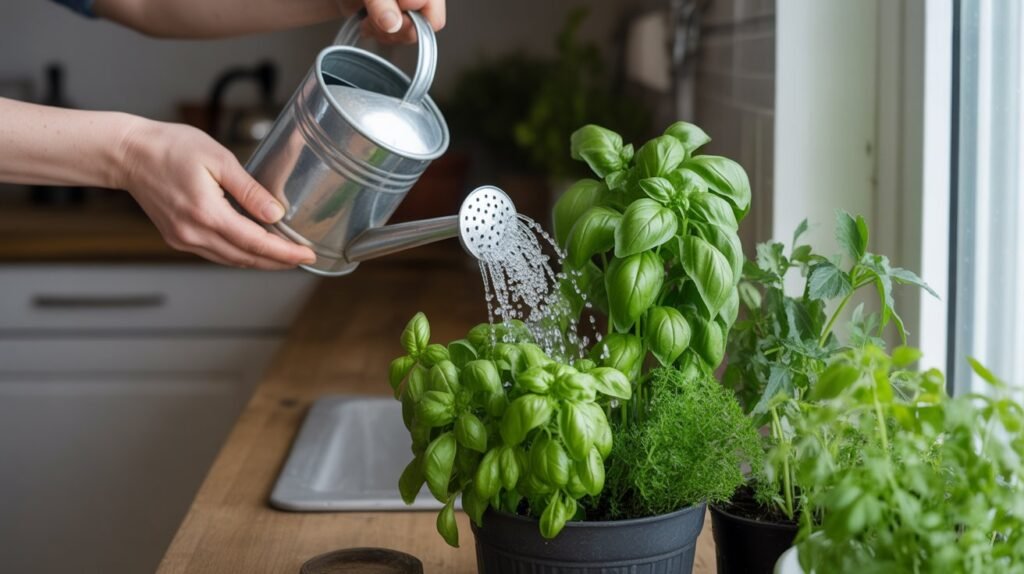
With proper watering habits, your herbs will develop deep, strong roots and lush foliage. This small but essential step keeps your indoor garden thriving and reduces the risk of disease, helping you enjoy fresh herbs all year round without frustration.
4: Choose the Best Soil for Indoor Herbs
The type of soil you use has a major impact on how well your indoor herbs grow. Herbs need loose, well-draining soil that allows air to reach the roots while holding just enough moisture. A high-quality potting mix made for indoor plants is ideal, as it prevents compaction and provides a balanced environment for root development. Selecting the right soil is a smart extension of bold Essential Houseplant Care Tips bold, helping your herbs stay strong and healthy.
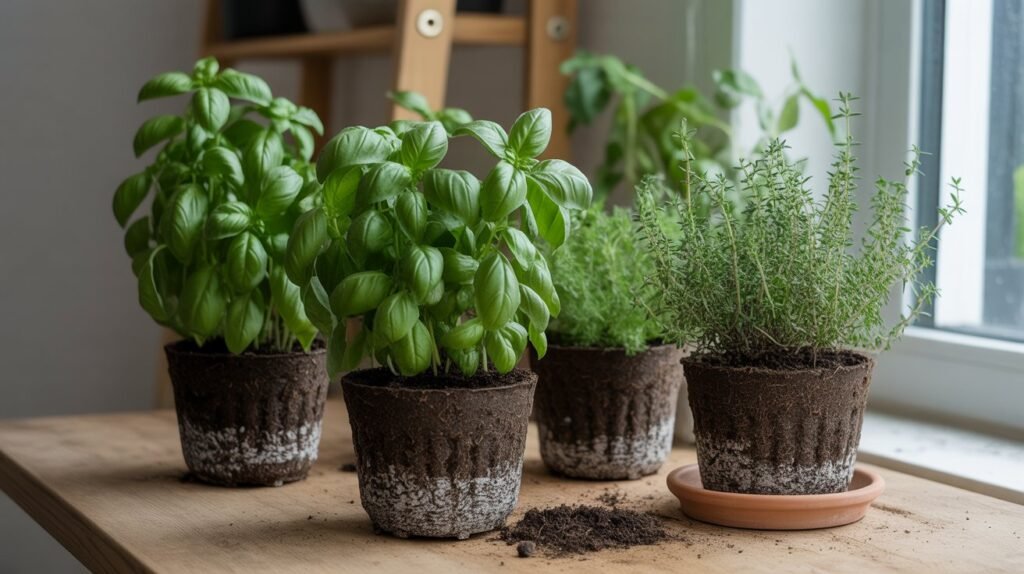
Avoid using garden soil indoors—it’s too dense, drains poorly, and may contain pests. Look for potting mixes that include materials like perlite or coco coir to improve aeration and drainage. Some mixes even come with added nutrients to support early growth. Proper soil keeps herbs from becoming waterlogged and allows them to access the oxygen they need to thrive.
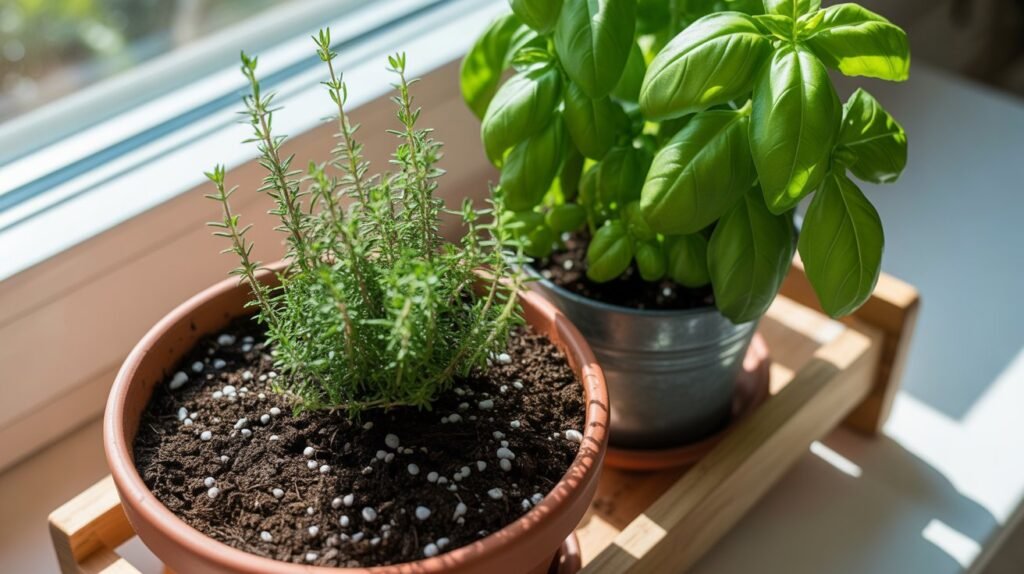
With the right soil foundation, your herbs can grow fuller, produce more leaves, and resist stress. A well-chosen potting mix sets your entire indoor herb garden up for success, making year-round growth easier and more rewarding.
5: Use the Right Pots for Healthy Herb Growth
The pot you choose plays a huge role in how well your herbs grow indoors. Herbs thrive in containers that allow proper air circulation and drainage, preventing water from sitting at the bottom and causing root rot. Terracotta and ceramic pots are great options because they’re breathable and help regulate soil moisture. Choosing the right container size and material is an essential part of bold Essential Houseplant Care Tips bold, ensuring your herbs stay strong and productive.
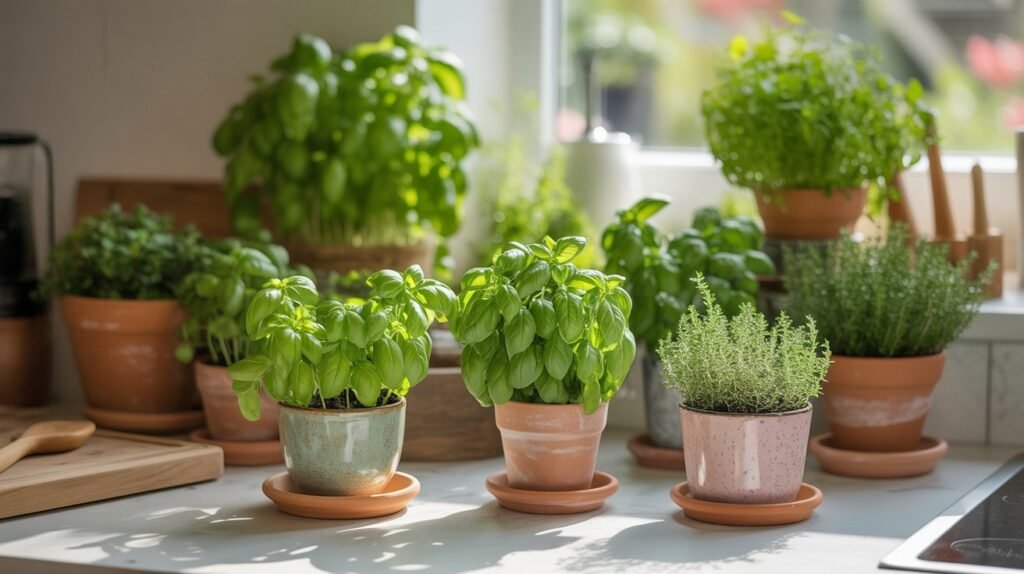
Select pots with drainage holes to let excess water escape easily. Small herbs like thyme and chives can grow in compact pots, while basil or mint may need slightly larger containers as they expand. Avoid overly large pots, as they retain too much moisture and make watering tricky for beginners. The right pot helps maintain healthy roots, better airflow, and balanced moisture levels.
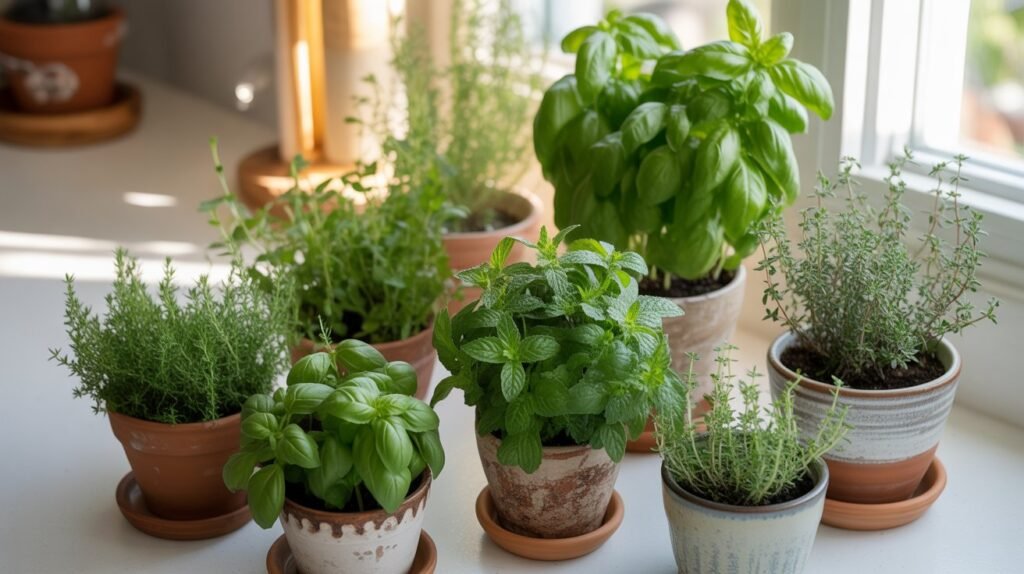
Using suitable containers also makes your indoor herb garden look more organized and stylish. When your pots support proper growth, your herbs will flourish with lush leaves, stronger stems, and continuous harvests—all year round.
6: Maintain Proper Temperature and Humidity
Herbs grow best in stable indoor temperatures and moderate humidity. Most common culinary herbs, like basil, parsley, and thyme, thrive in temperatures between 65–75°F (18–24°C). Sudden temperature fluctuations or cold drafts can stress the plants, slowing growth and reducing flavor. Paying attention to temperature and humidity is a key part of bold Essential Houseplant Care Tips bold, helping your indoor herbs stay healthy and productive year-round.
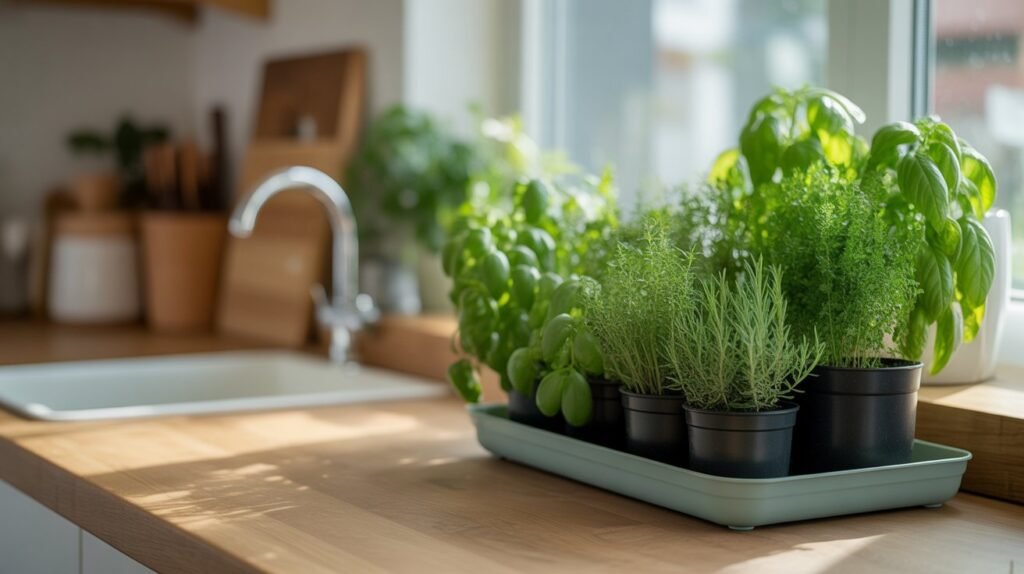
In addition to temperature, maintaining adequate humidity is important, especially in dry winter months. Herbs such as mint and basil appreciate a slightly humid environment. You can increase humidity by placing plants together, using a small humidity tray, or lightly misting leaves occasionally. Stable conditions encourage strong stems, vibrant leaves, and better overall growth
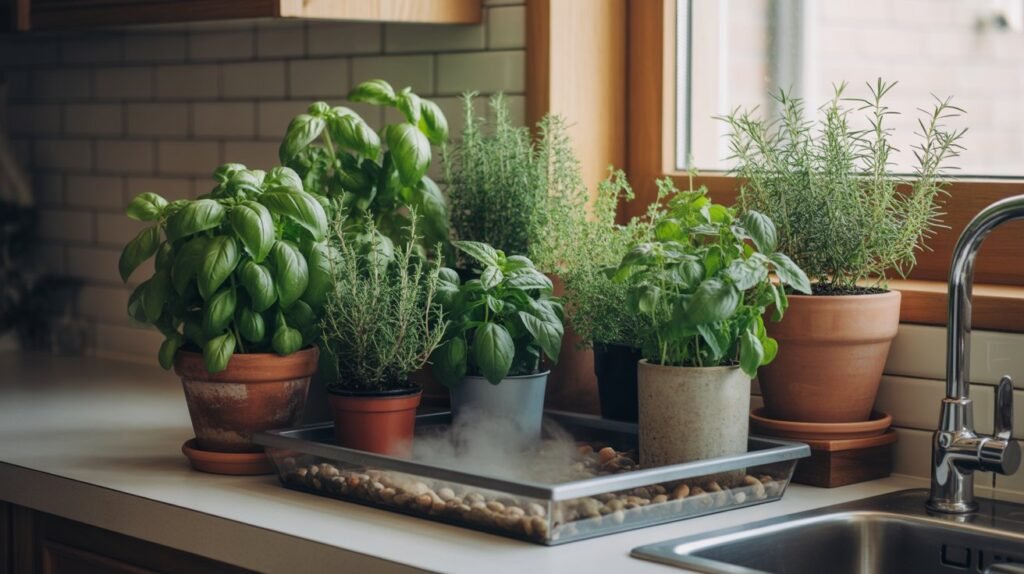
By keeping your indoor environment consistent, you minimize stress on your herbs and create optimal growing conditions. Combined with proper lighting, watering, and soil, temperature and humidity control ensures your herbs thrive beautifully all year long.
Also Read : 10 Essential Houseplant Care Tips Every Beginner Should Know
7: Prune and Harvest Regularly
Regular pruning and harvesting encourage your indoor herbs to grow fuller, bushier, and more flavorful. By trimming leaves and stems carefully, you prevent herbs from becoming leggy and promote continuous production. This practice is a crucial part of bold Essential Houseplant Care Tips bold, ensuring your indoor herb garden stays healthy and productive throughout the year.
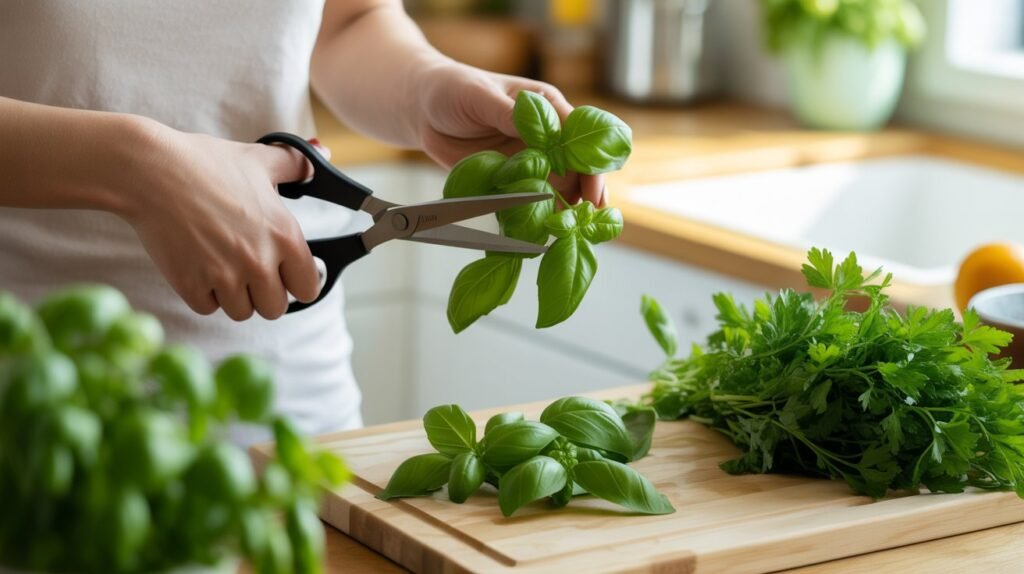
When harvesting, cut just above a leaf node or stem junction, which stimulates new growth. Avoid removing more than one-third of the plant at a time to prevent stress. Regular pruning also improves air circulation within the plant, reducing the risk of pests or fungal issues.
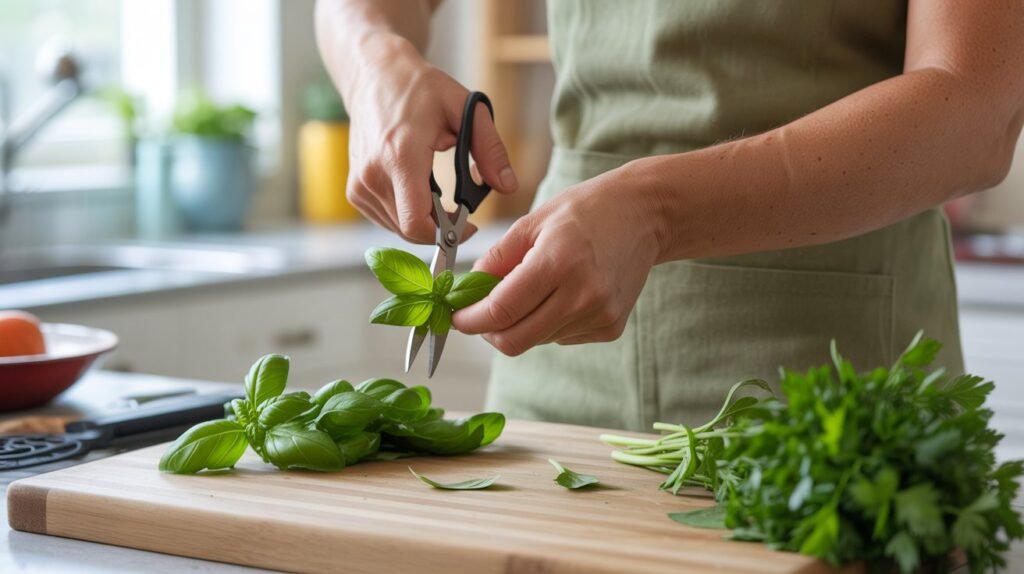
By making pruning a routine, you keep your herbs attractive, flavorful, and vigorous. A well-maintained herb garden not only looks great but also provides a steady supply of fresh leaves for cooking and garnishing every day.
8: Fertilize Your Herbs Occasionally
Even though herbs can thrive in nutrient-rich soil, occasional fertilization helps support robust growth, fuller leaves, and stronger flavor. Using a balanced, water-soluble fertilizer once a month during the growing season ensures your herbs get the nutrients they need without overfeeding. This is an essential step in bold Essential Houseplant Care Tips bold, keeping your indoor herbs healthy and productive all year round.
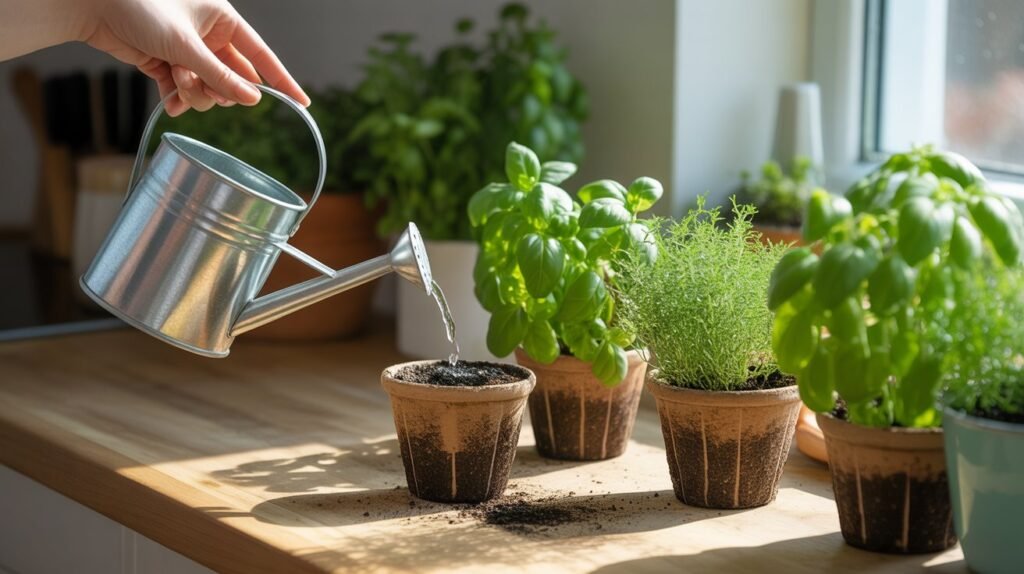
Apply fertilizer at half the recommended strength for delicate herbs like basil and parsley to avoid burning the roots. Hardy herbs such as rosemary or thyme can tolerate a standard dose. Regular feeding enhances plant vigor, promotes greener leaves, and encourages continuous growth, which is especially important for indoor plants with limited soil volume.
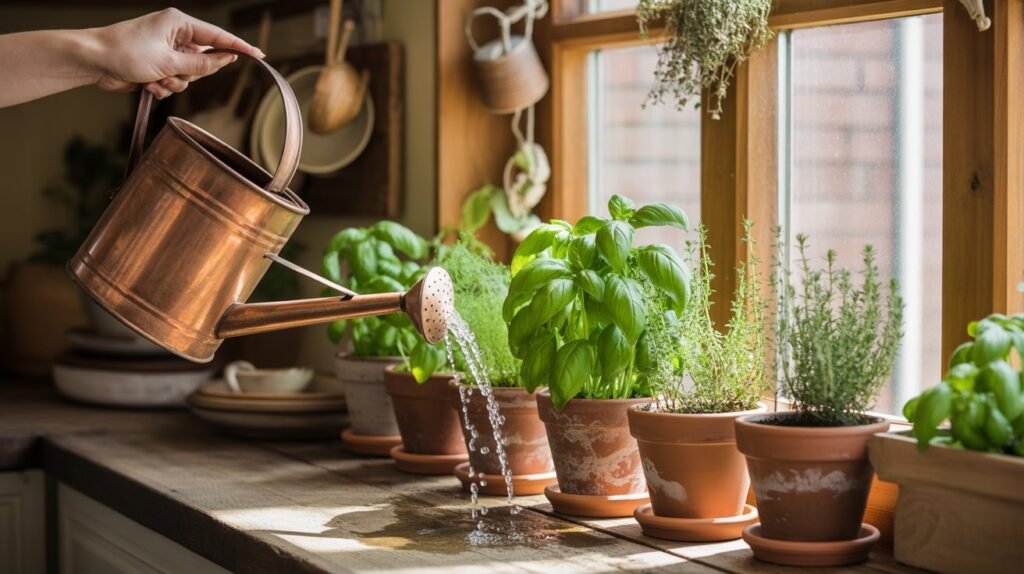
By integrating occasional fertilization into your care routine, you maintain strong, thriving herbs with minimal effort. It’s a simple way to boost growth, improve flavor, and ensure your indoor herb garden remains lush and aromatic year-round.
9: Keep an Eye Out for Pests and Diseases
Even indoor herbs can encounter pests or diseases if not monitored regularly. Common issues include aphids, spider mites, and fungal problems, which can weaken plants and reduce leaf quality. Regular inspection and prompt action are key components of bold Essential Houseplant Care Tips bold, helping your herbs stay healthy and productive year-round.
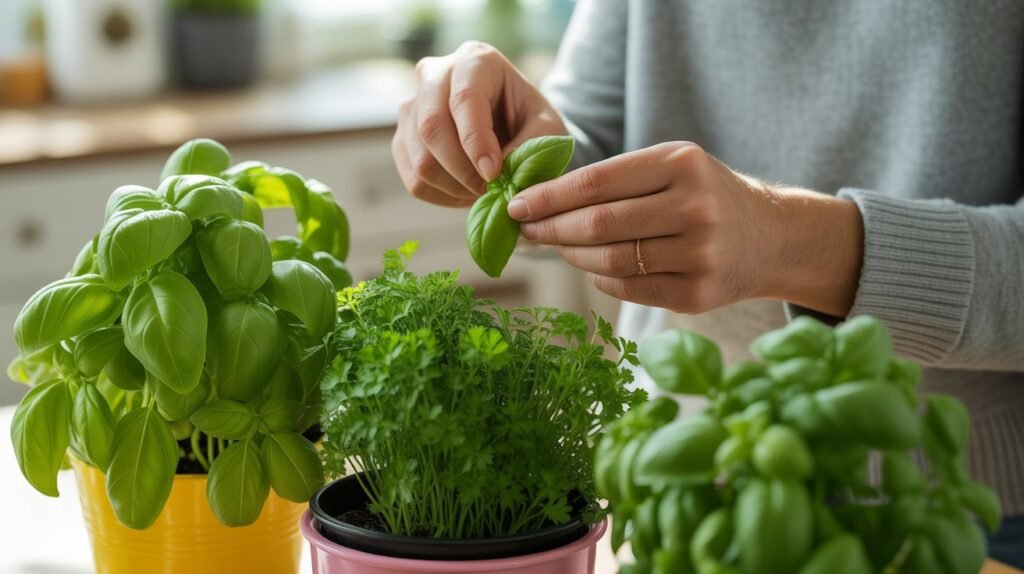
Check leaves, stems, and soil frequently for signs of damage or pests. If you spot insects, gently rinse the plant or use a mild, natural insecticidal solution safe for edible plants. Removing affected leaves and maintaining proper air circulation can prevent disease from spreading. Early detection ensures your indoor herb garden remains strong and continues to produce fresh leaves.
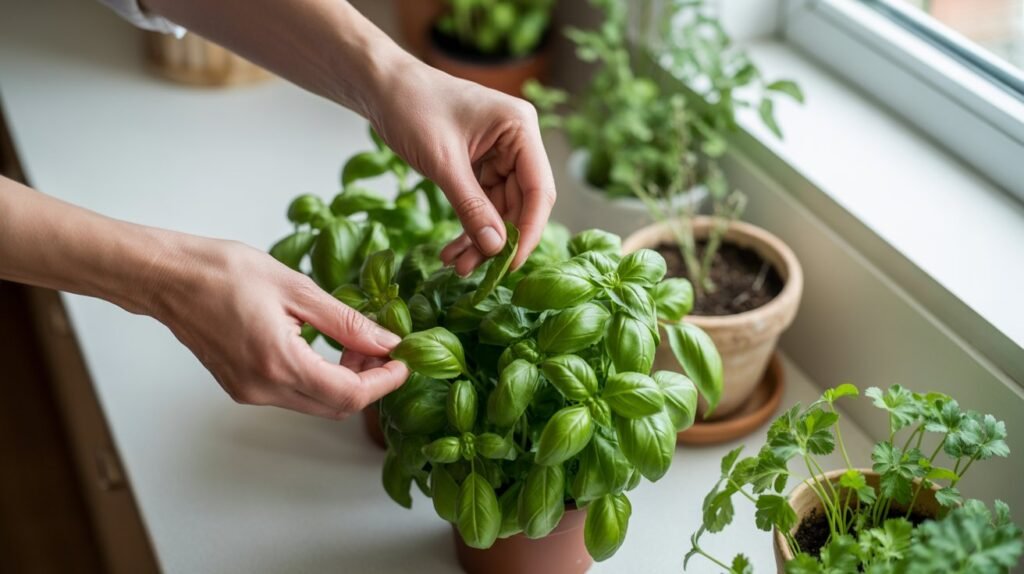
Proactive pest management keeps your herbs thriving without the need for harsh chemicals or complicated routines. By maintaining vigilance, your indoor herb garden will remain lush, aromatic, and safe for cooking throughout the year.
10: Rotate Your Herbs for Even Growth
Indoor herbs naturally grow toward the light, which can cause uneven or leggy growth if left in one position. Rotating your herbs regularly ensures all sides receive equal light exposure, promoting fuller, more balanced plants. This simple habit is an important part of bold Essential Houseplant Care Tips bold, helping your indoor herb garden remain lush and productive all year round.
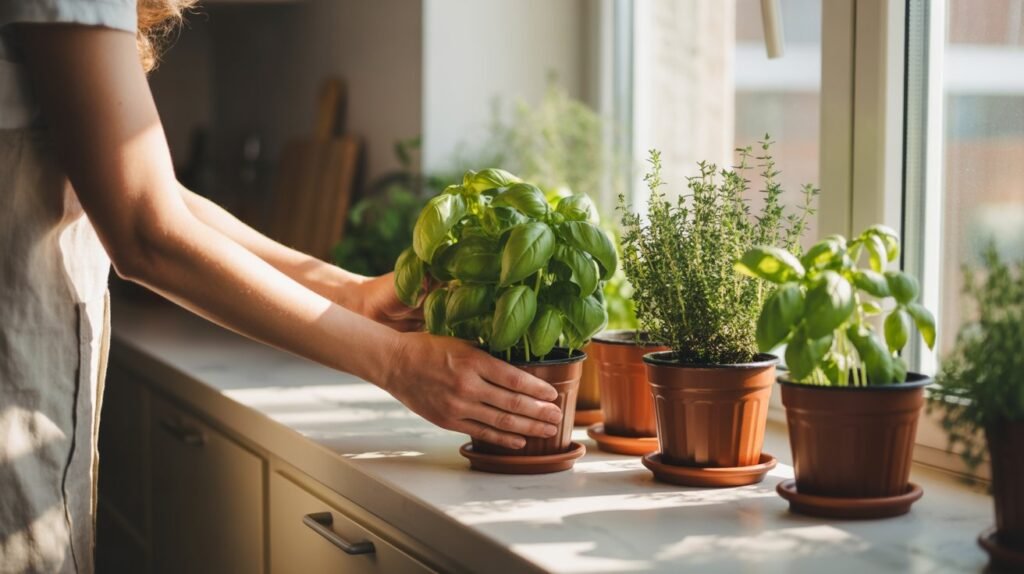
Rotate pots every few days or at least once a week. This small adjustment encourages even leaf development and prevents one-sided stretching. Consistent rotation not only improves plant aesthetics but also strengthens stems, leading to healthier overall growth.
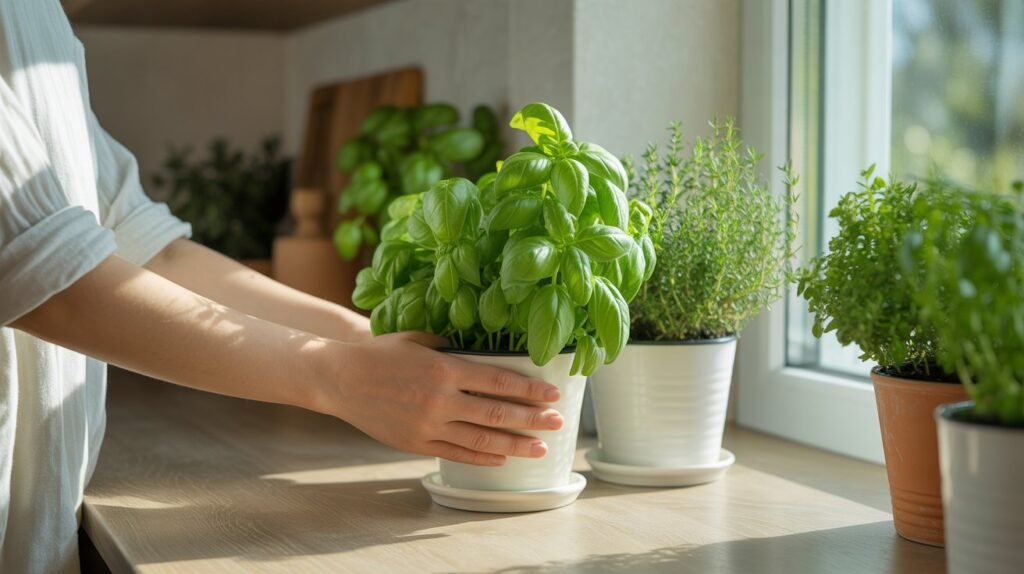
By incorporating this simple practice into your routine, you create stronger, more uniform herbs that thrive indoors. It’s a low-effort technique that maximizes light exposure and ensures your herbs grow evenly and vibrantly throughout the year.
Final Thoughts
Growing fresh herbs indoors all year round is easier than many think when you follow the right approach. By implementing these bold Essential Houseplant Care Tips bold, you can maintain a vibrant, aromatic indoor herb garden with minimal effort. From selecting the right herbs, providing proper light and watering, to using suitable soil, pots, and occasional fertilization, each step ensures your herbs stay healthy, flavorful, and productive.
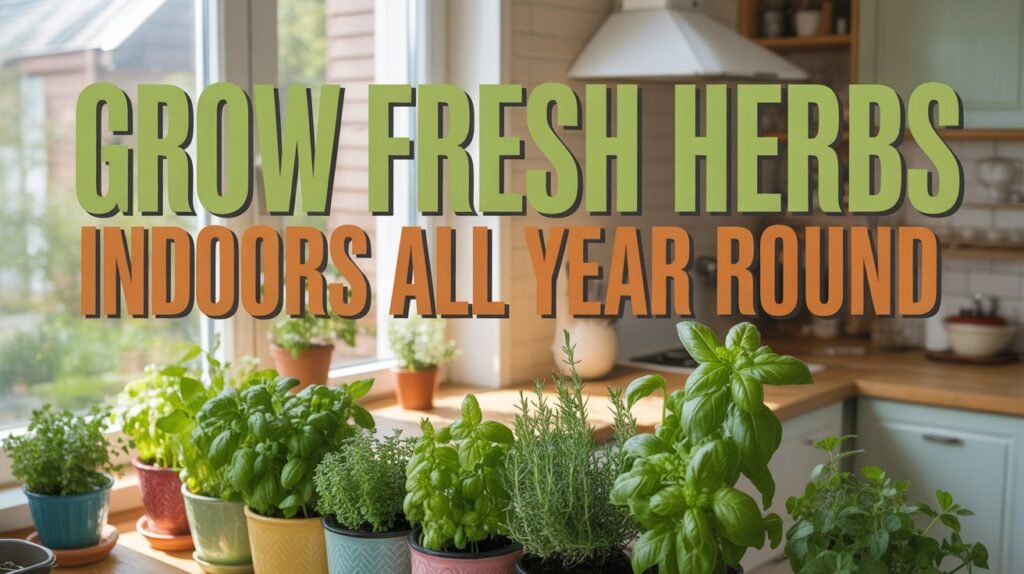
Small habits like pruning, rotating, monitoring for pests, and maintaining proper temperature and humidity make a significant difference in overall plant health. These routines not only boost growth but also make your indoor herb garden visually appealing and consistently fruitful.
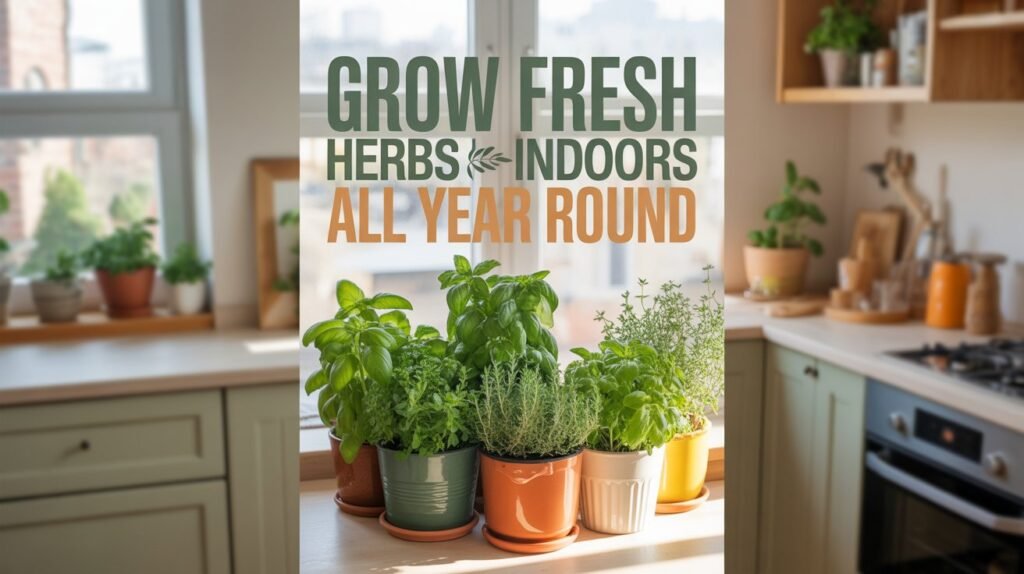
With consistent care and attention, even busy plant lovers can enjoy fresh, homegrown herbs every day. Following these practical tips ensures your indoor garden thrives year-round, bringing greenery, flavor, and freshness straight to your kitchen.