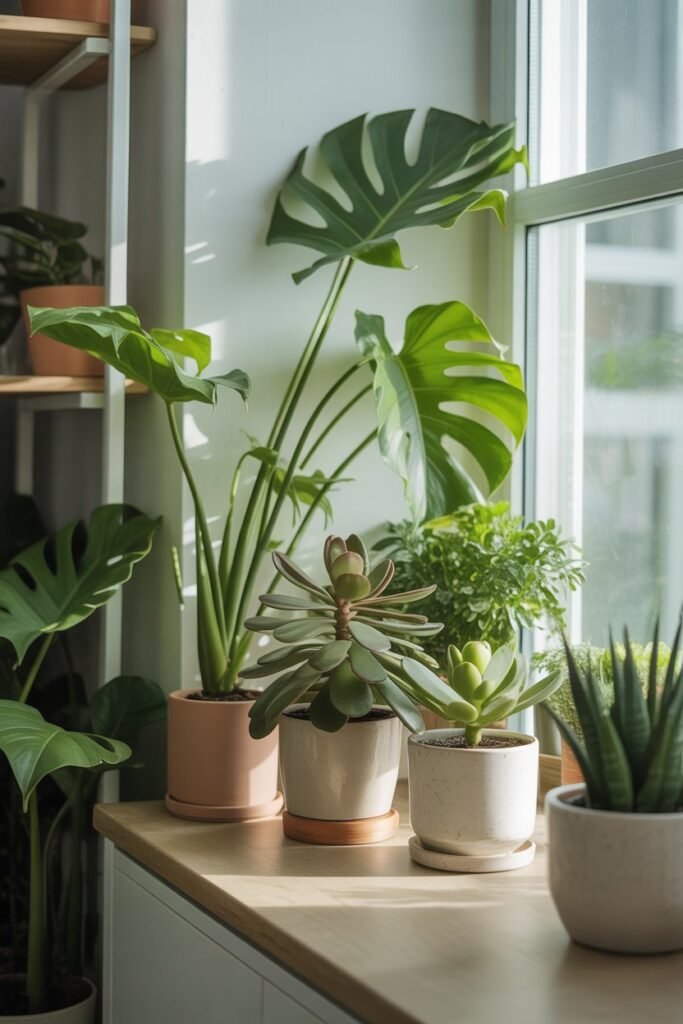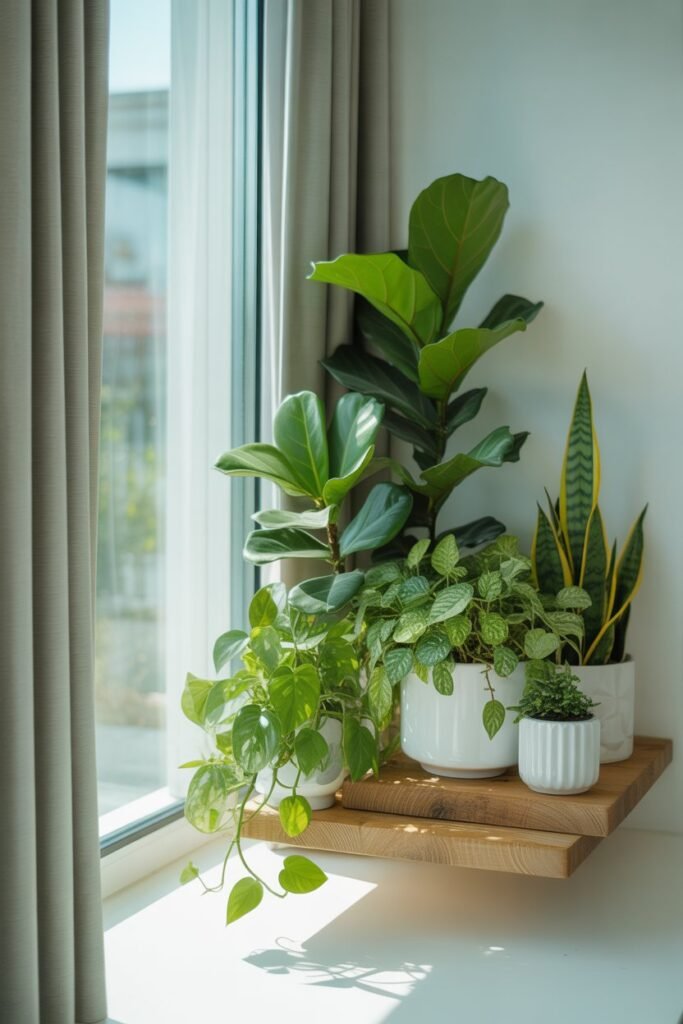
Caring for houseplants may seem simple, but even experienced plant lovers can unknowingly make mistakes that hinder their growth. Many indoor plant enthusiasts struggle with issues like overwatering, insufficient light, or using the wrong soil type. By understanding what pitfalls to avoid, you can keep your plants thriving and vibrant all year round. Following Essential Houseplant Care Tips can transform your indoor space into a lush, healthy oasis without the stress of constant trial and error.
Top Mistakes to Avoid When Caring for Your Houseplants | Essential Houseplant Care Tips
One of the most common challenges in indoor plant care is managing the delicate balance of water and light. Overwatering is a frequent culprit behind root rot, while too little sunlight can cause yellowing leaves and stunted growth. Additionally, using generic soil or neglecting fertilization can slow down your plant’s development. With Essential Houseplant Care Tips, you’ll learn to identify your plant’s unique needs, ensuring proper hydration, lighting, and nutrition that keep your greenery flourishing.
Beyond the basics of watering and sunlight, understanding the specific requirements of each plant type is crucial. Some species thrive in low-light environments, while others demand bright, indirect sunlight. Seasonal changes, humidity levels, and even the placement of your plants can affect their health. By implementing Essential Houseplant Care Tips and being mindful of these factors, you can prevent common houseplant problems and enjoy a thriving indoor garden that enhances both your home’s aesthetics and air quality.
1: Overwatering Your Houseplants
Overwatering is one of the most common mistakes beginners make when caring for houseplants. While it’s tempting to keep your greenery constantly hydrated, too much water can suffocate roots and cause root rot. Healthy roots need a balance of moisture and oxygen to thrive, and learning how to read your plant’s water needs is crucial. By following Essential Houseplant Care Tips, you’ll understand which plants prefer consistently moist soil and which ones need to dry out between watering sessions, preventing long-term damage.
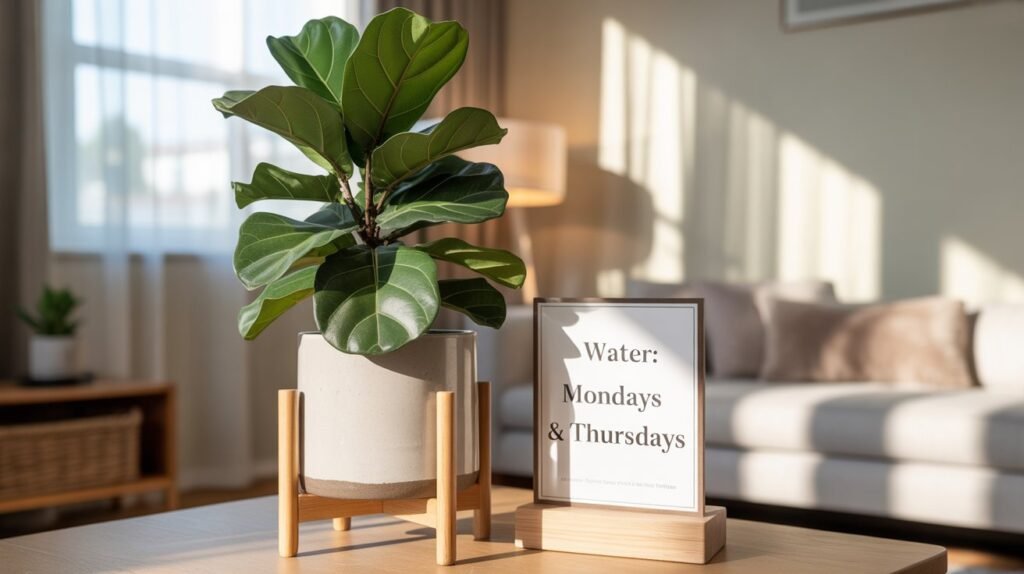
Another key aspect of preventing overwatering is understanding your plant’s environment. Indoor humidity levels, pot drainage, and soil type all influence how quickly water is absorbed. Using pots with drainage holes and well-draining soil ensures that excess water doesn’t pool at the bottom, which is a common cause of yellowing leaves and fungal growth. Applying Essential Houseplant Care Tips can help you develop a practical watering schedule tailored to each plant’s unique needs, promoting strong roots and vibrant foliage.
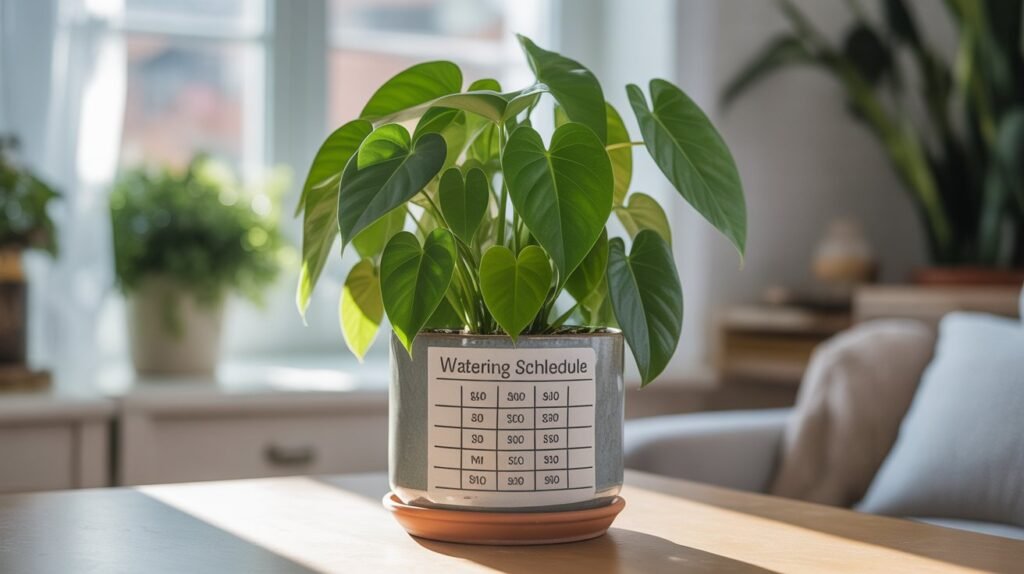
Finally, observing your plants for signs of water stress is an essential step in indoor plant care. Drooping leaves, brown leaf tips, and a musty smell from the soil are clear indicators that your plant may be overwatered. By combining careful observation with Essential Houseplant Care Tips, you can prevent overwatering disasters before they start. Maintaining the right balance of water not only supports growth but also ensures your indoor plants remain healthy, lush, and thriving for years to come.
2: Neglecting Light Requirements
One of the biggest mistakes houseplant owners make is not paying attention to their plants’ light needs. Every plant species has its own ideal lighting conditions, from low-light tolerant varieties like snake plants to sun-loving succulents. Neglecting these requirements can lead to slow growth, pale leaves, or even plant death. Following Essential Houseplant Care Tips will help you match each plant with its perfect spot, ensuring it receives the right amount of natural or artificial light.
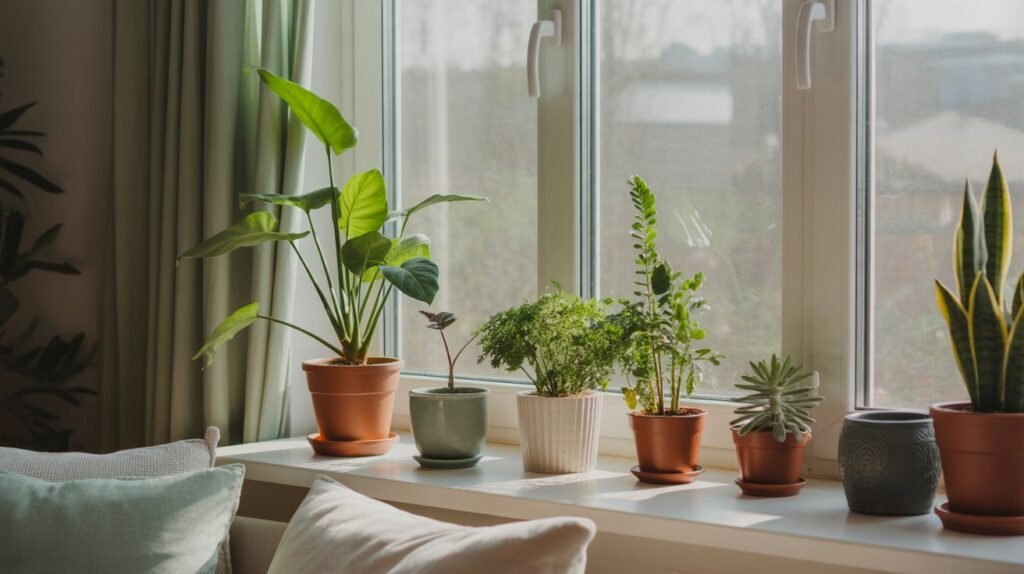
Indoor plant placement plays a crucial role in maintaining healthy foliage. Placing a plant too far from a window or in a dim corner can cause leaves to yellow, stretch, or drop. Conversely, putting a delicate plant in direct sunlight can scorch its leaves. By understanding the specific light needs of your indoor plants, and using Essential Houseplant Care Tips, you can create an environment where each plant thrives, whether it’s on a sunny windowsill or under grow lights in a low-light room.
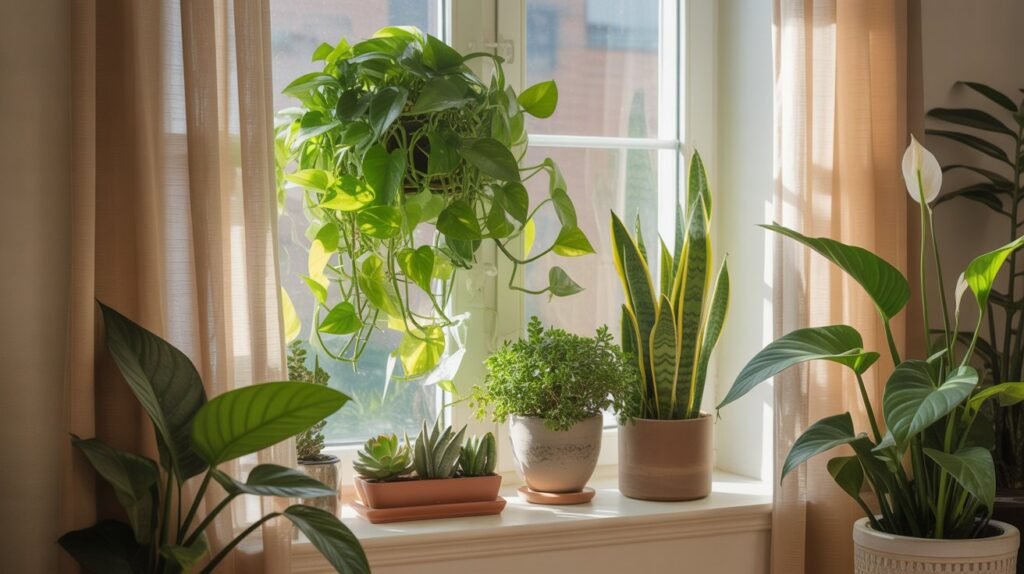
Additionally, observing your plants’ response to light is key to proper indoor plant care. Signs such as leaning toward a light source, elongated stems, or faded leaf color indicate that your plant is not receiving optimal light. Adjusting placement gradually and tracking sunlight patterns in your home, in line with Essential Houseplant Care Tips, ensures strong stems, vibrant foliage, and overall healthier houseplants that enhance your living space beautifully.
3: Using the Wrong Soil or Skipping Fertilization
Many houseplant problems stem from poor soil quality or neglecting fertilization. Using generic garden soil or soil that doesn’t drain well can trap water around the roots, leading to rot or nutrient deficiencies. Each plant has unique soil requirements—from cactus soil for succulents to nutrient-rich potting mix for tropical plants. By following Essential Houseplant Care Tips, you’ll learn to select the right soil type that encourages strong root development and healthy growth.
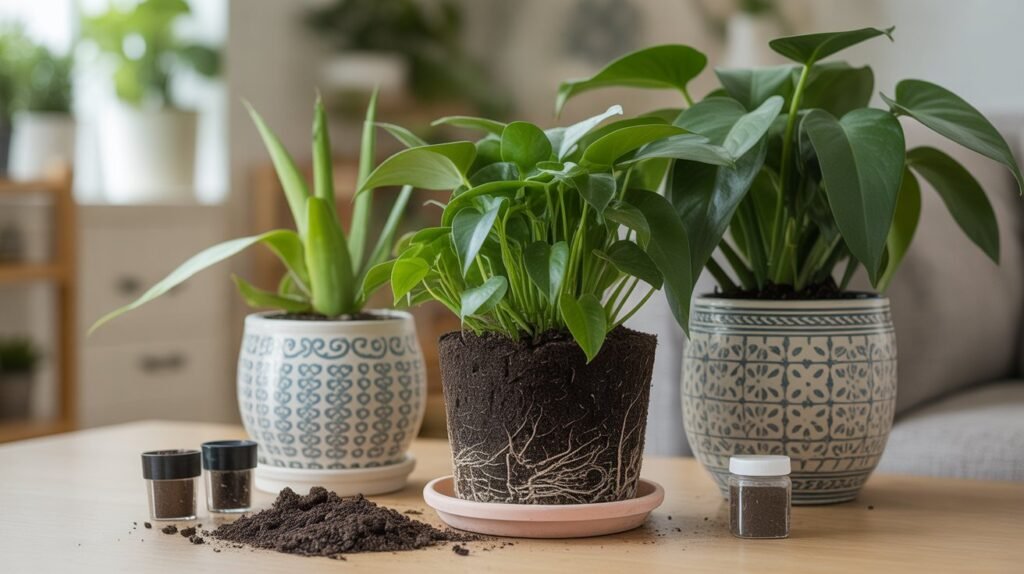
Skipping fertilization is another common mistake that can stunt your plant’s growth. Indoor plants rely on the nutrients available in their potting mix, which deplete over time. Regular feeding with balanced fertilizers or natural alternatives like compost or liquid plant food provides essential nutrients, keeping leaves green and vibrant. Implementing Essential Houseplant Care Tips ensures that your plants receive the right nutrients in the correct amounts, avoiding overfertilization while promoting robust growth.
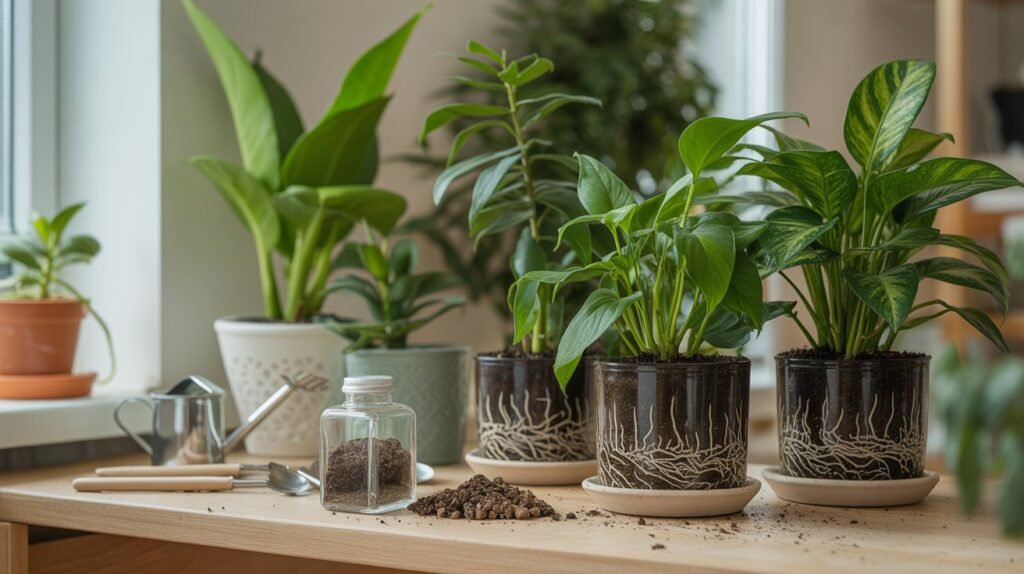
Finally, monitoring plant health and adjusting soil and fertilizer as needed is key to indoor plant care. Signs such as pale leaves, slow growth, or weak stems indicate nutrient deficiencies. By combining proper soil selection with a smart fertilization schedule, guided by Essential Houseplant Care Tips, you can maintain healthy, thriving houseplants that enhance your home environment and indoor air quality effortlessly.
4: Ignoring Humidity Needs
Many houseplants, especially tropical varieties, thrive in high humidity environments, but indoor air is often too dry, especially during winter. Ignoring your plants’ humidity needs can cause brown leaf edges, curling leaves, or slowed growth. By following Essential Houseplant Care Tips, you can identify which plants require extra moisture in the air and take simple steps to create a more suitable environment.
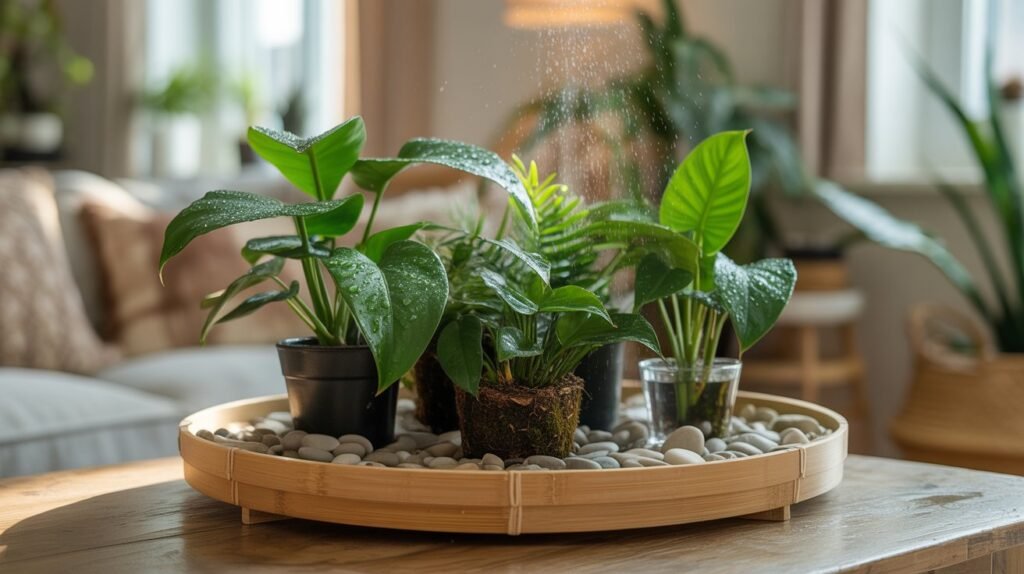
There are several effective ways to boost humidity for your indoor plants. Grouping plants together, using pebble trays with water, or investing in a small indoor humidifier can make a big difference. Additionally, misting your plants lightly can provide temporary relief for species that enjoy occasional moisture on their leaves. Applying Essential Houseplant Care Tips ensures you maintain consistent humidity levels that prevent stress and promote healthy foliage.
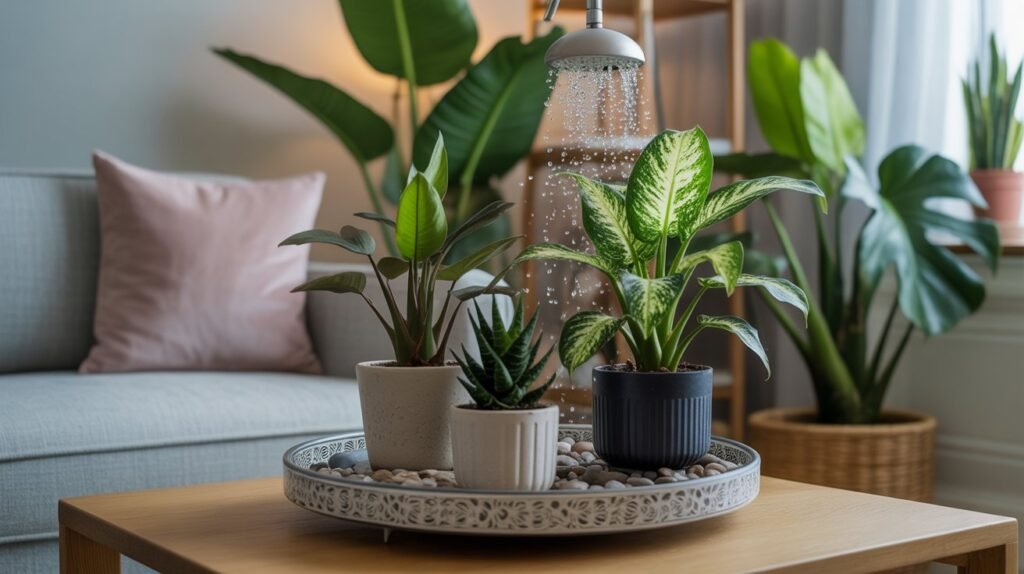
Monitoring your plants’ response to humidity is crucial for long-term health. Signs like brown leaf tips, leaf drop, or slowed growth indicate that humidity levels are too low. Adjusting their placement or using moisture-boosting techniques, guided by Essential Houseplant Care Tips, helps your indoor plants stay lush, vibrant, and resilient, even in drier home environments.
5: Neglecting Pest Control
Pests like spider mites, aphids, and fungus gnats can silently damage your houseplants if left unchecked. Ignoring signs of infestation can lead to discolored leaves, stunted growth, or even plant death. By incorporating Essential Houseplant Care Tips into your routine, you’ll learn to spot early warning signs and prevent pests from spreading throughout your indoor garden.
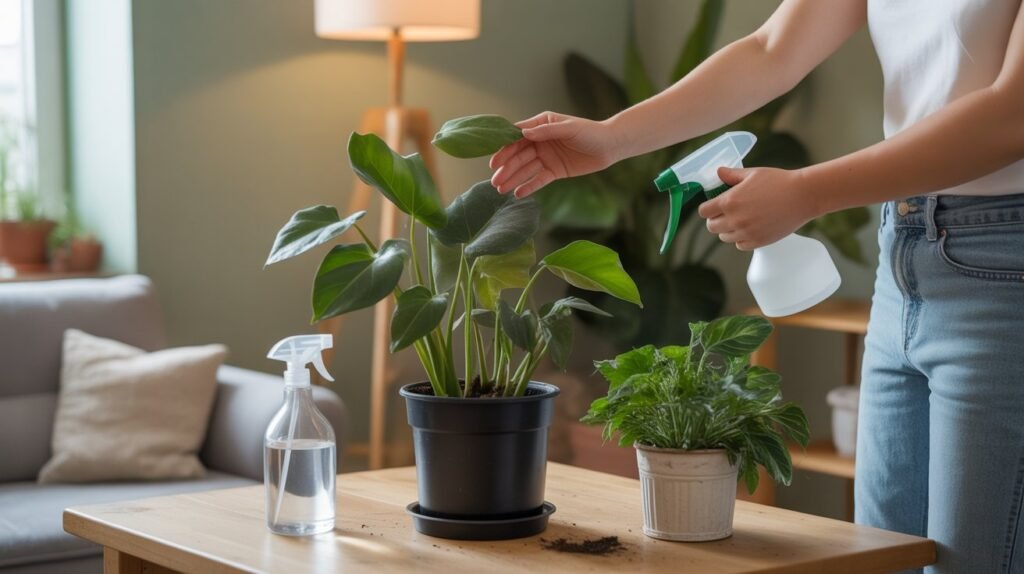
Regular inspection is key to maintaining healthy indoor plants. Check the undersides of leaves, stems, and soil surface for tiny insects or sticky residue. Early intervention with natural remedies such as neem oil, insecticidal soap, or simply wiping leaves can save your plants from significant damage. Following Essential Houseplant Care Tips ensures you catch pest problems early, keeping your greenery thriving without the use of harsh chemicals.
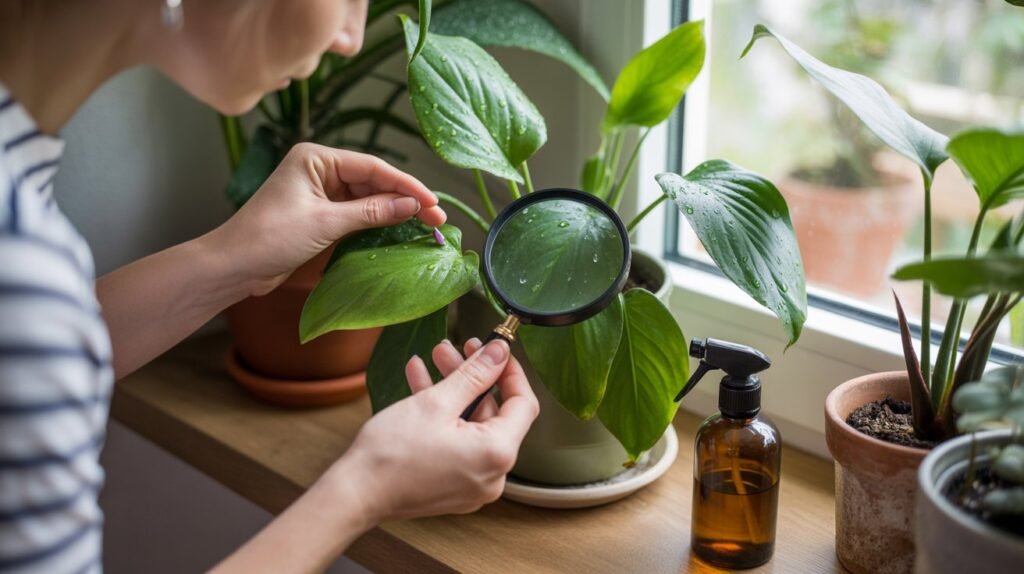
Additionally, maintaining proper hygiene and plant care practices can reduce the risk of infestations. Cleaning pots, removing dead leaves, and avoiding overwatering create an environment less favorable for pests. By implementing these strategies with Essential Houseplant Care Tips, you not only protect your plants from harmful insects but also encourage stronger growth, healthier foliage, and a more beautiful indoor garden.
6: Skipping Pruning and Plant Grooming
Neglecting to prune your houseplants is a common mistake that can hinder their growth and overall appearance. Dead or yellowing leaves not only make plants look unhealthy but can also drain energy from healthy parts of the plant. Following Essential Houseplant Care Tips will help you understand when and how to trim your plants, encouraging new growth and maintaining a lush, vibrant look.
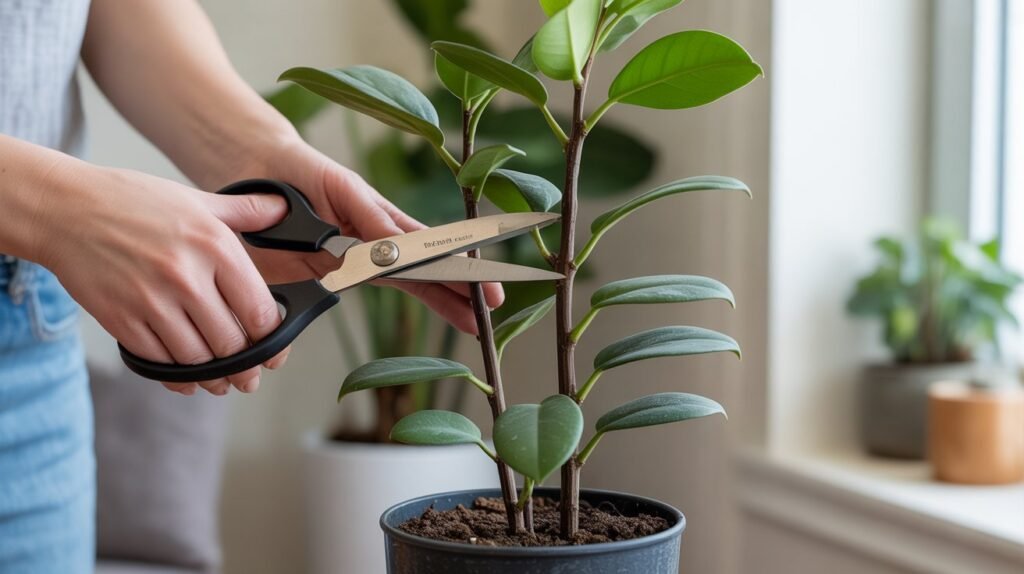
Pruning isn’t just about aesthetics; it’s vital for plant health. Regularly removing dead leaves, spent flowers, or leggy stems prevents disease and allows your plant to focus energy on producing new growth. With Essential Houseplant Care Tips, you can identify which parts of your plant need attention and make clean cuts that minimize stress, ensuring stronger stems and fuller foliage.
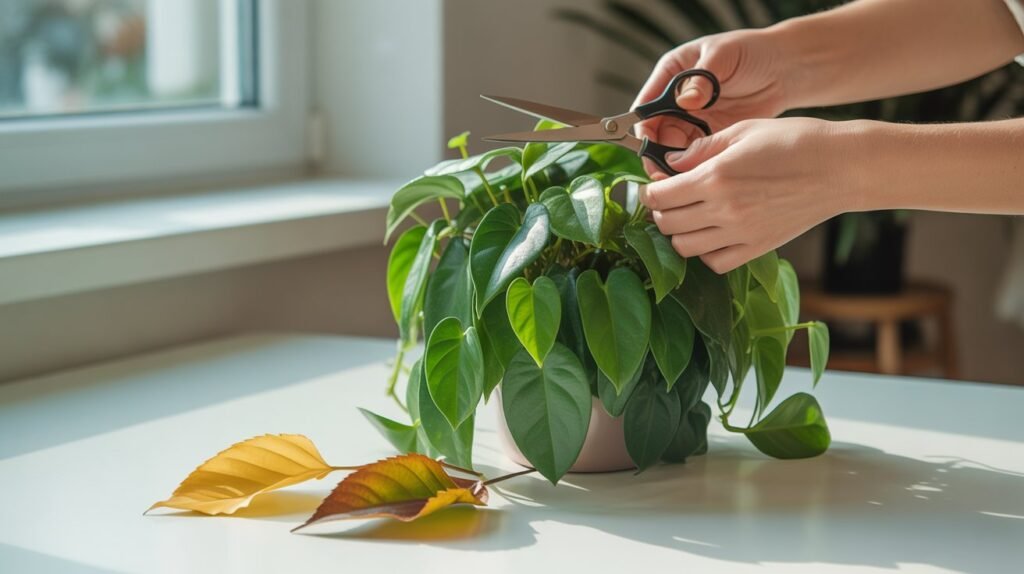
In addition to pruning, general plant grooming like dusting leaves, rotating plants for even light exposure, and checking for pests enhances overall plant vitality. Observing your plants and combining these habits with Essential Houseplant Care Tips ensures they stay healthy, attractive, and thriving, while making your indoor garden a beautiful and inviting space.
7: Using the Wrong Pot or Ignoring Repotting
Choosing the wrong pot size or neglecting to repot your houseplants is a mistake that can stunt growth and affect overall health. Too small a pot can cause plants to become root-bound, limiting their ability to absorb nutrients and water. Too large a pot can retain excess moisture, increasing the risk of root rot. By following Essential Houseplant Care Tips, you’ll learn how to select the right pot size and when it’s time to upgrade for optimal growth.
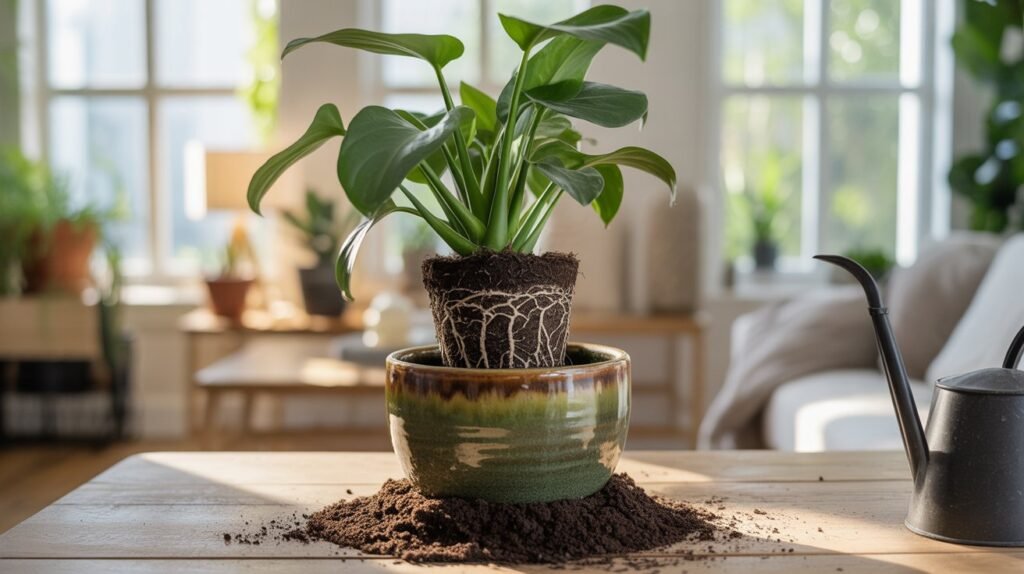
Repotting is more than just moving a plant to a bigger container—it refreshes the soil, encourages root development, and provides necessary nutrients for healthy foliage. Observing signs like roots growing out of drainage holes, slowed growth, or soil drying out too quickly can indicate that your plant is ready for a larger pot. Implementing Essential Houseplant Care Tips ensures that your plants remain happy and resilient while preventing common problems associated with improper potting.
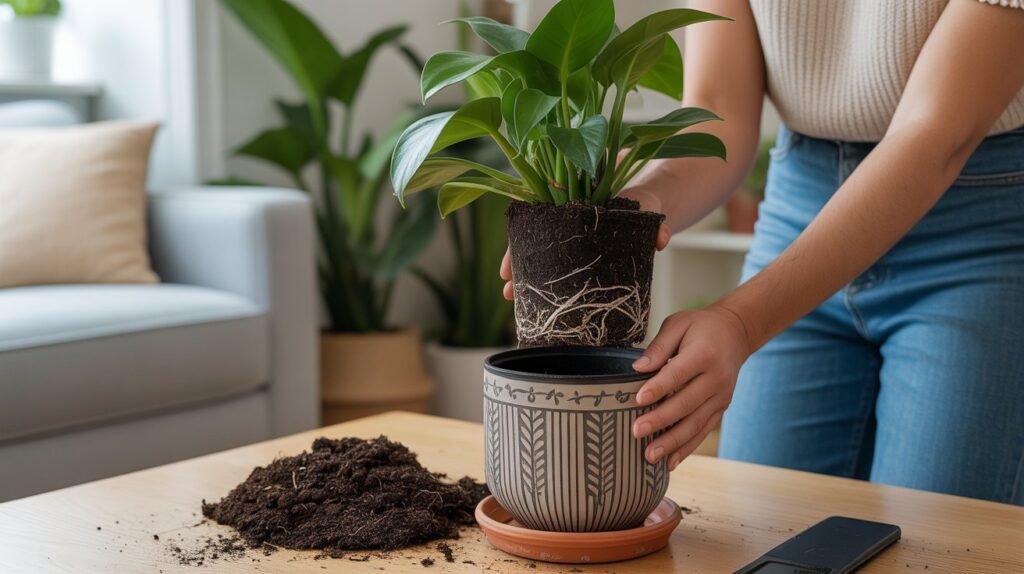
Additionally, selecting pots with proper drainage and using fresh, well-draining soil contributes to strong roots and vibrant growth. Combining smart pot choices with regular repotting, guided by Essential Houseplant Care Tips, helps your indoor plants thrive, maintain healthy foliage, and create a beautiful, low-maintenance indoor garden.
8: Ignoring Temperature and Seasonal Needs
Houseplants are sensitive to temperature changes, yet many indoor gardeners overlook this crucial factor. Exposure to cold drafts, sudden heat, or fluctuating temperatures can stress plants, causing leaf drop, discoloration, or slowed growth. By following Essential Houseplant Care Tips, you’ll understand the ideal temperature range for each plant and how to protect them from seasonal stressors.
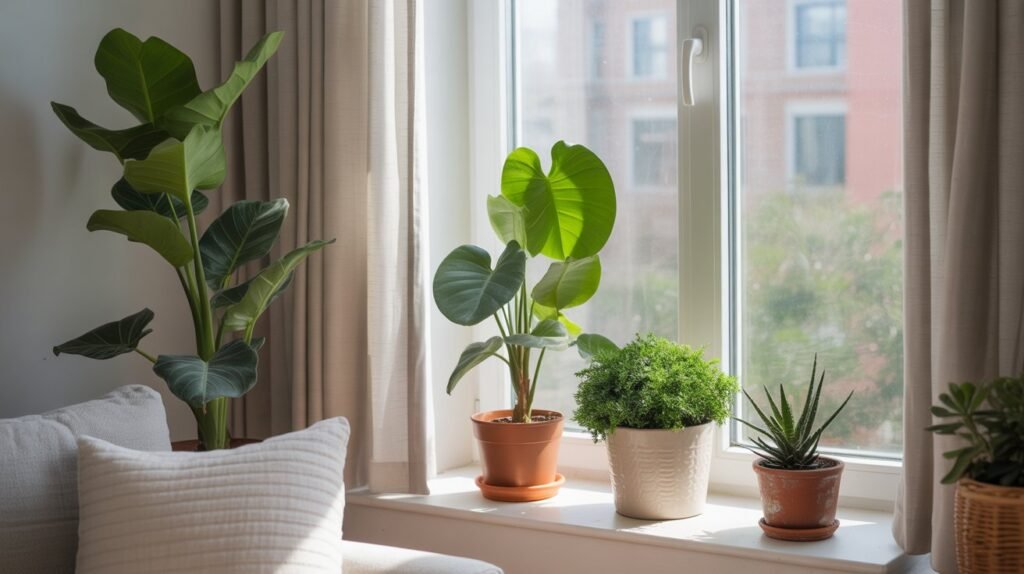
Seasonal adjustments are also important for maintaining plant health. During winter, some plants may require less water and indirect light, while tropical plants may benefit from increased humidity. In summer, bright light and consistent moisture become more critical. Implementing Essential Houseplant Care Tips ensures that you adjust care routines according to seasonal changes, preventing damage and supporting optimal growth year-round.
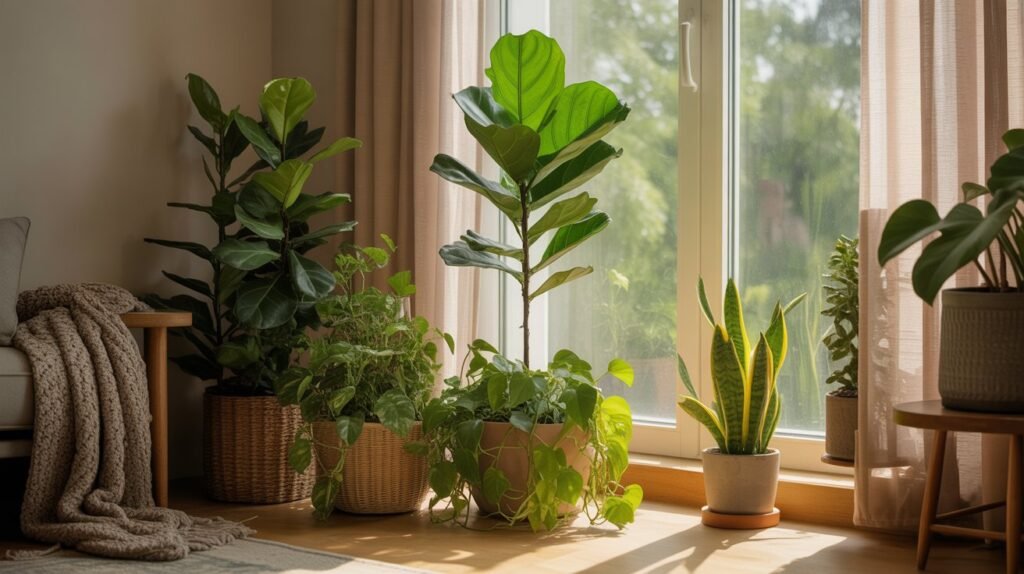
Observing your plants closely allows you to respond to temperature stress quickly. Signs like drooping leaves, brown edges, or slowed growth indicate that your plant may be in an unsuitable environment. By combining awareness with Essential Houseplant Care Tips, you can create a stable indoor environment, protecting your houseplants from temperature-related issues and keeping them lush, vibrant, and resilient.
9: Inconsistent Watering Habits
Inconsistent watering is a common mistake that can harm even the hardiest houseplants. Some plant owners alternate between overwatering and letting soil dry out completely, causing stress to the roots. By following Essential Houseplant Care Tips, you’ll learn to establish a reliable watering schedule that matches each plant’s specific needs, preventing both root rot and dehydration.
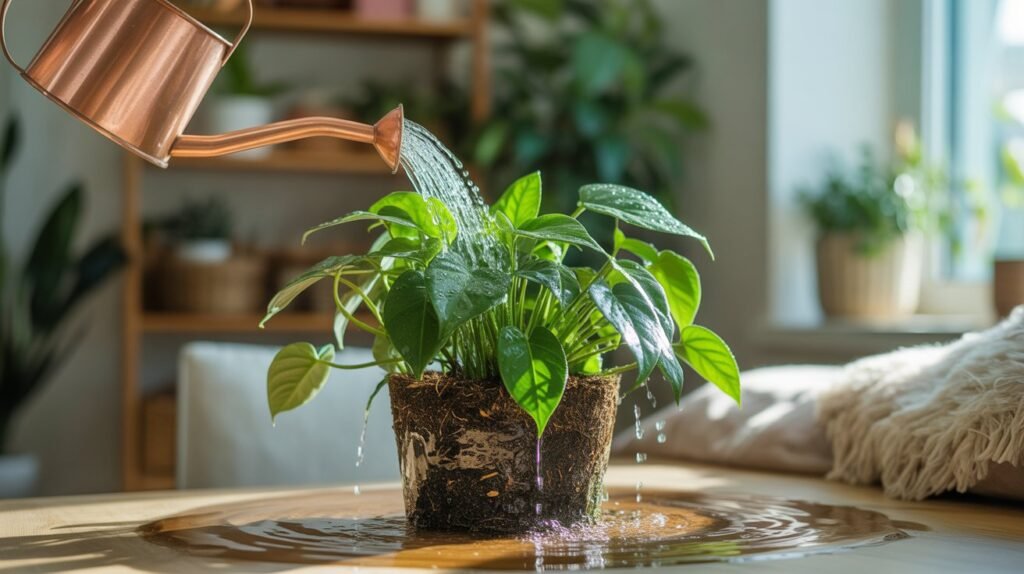
Understanding your plant’s hydration requirements is key. Different species require different moisture levels, from the consistently damp soil favored by ferns to the drier conditions preferred by succulents. Implementing Essential Houseplant Care Tips helps you tailor watering frequency and quantity, ensuring your indoor plants receive the perfect balance of moisture without risking stress or disease.
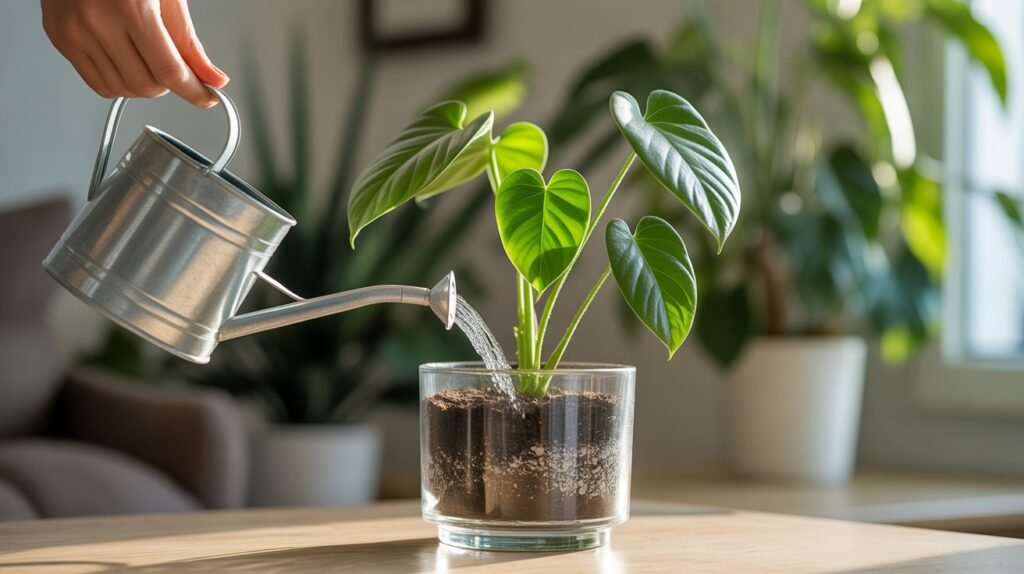
Monitoring soil moisture and plant response is essential for maintaining healthy growth. Signs like wilting, yellowing leaves, or dry, cracked soil indicate improper watering. By combining careful observation with Essential Houseplant Care Tips, you can keep your houseplants hydrated, vibrant, and thriving, creating a lush indoor garden that looks effortlessly cared for.
10: Ignoring Plant Health Signs
Failing to observe your plants closely is a common mistake that can lead to preventable problems. Houseplants communicate their needs through visual cues like leaf color, texture, and growth patterns. By following Essential Houseplant Care Tips, you’ll learn to interpret these signals early, allowing you to address issues such as nutrient deficiencies, pest infestations, or improper care before they escalate.
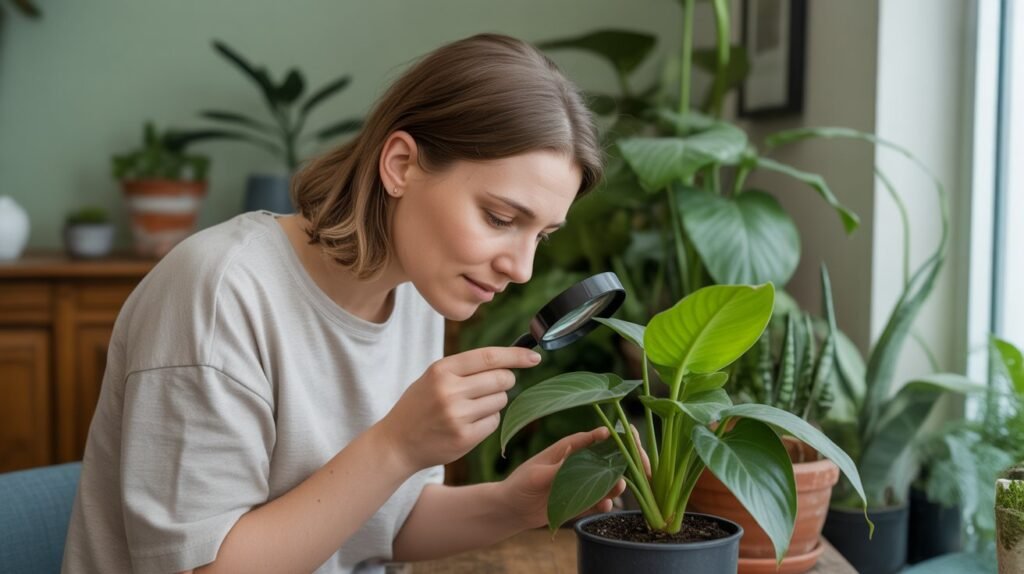
Recognizing stress signs is crucial for long-term plant health. Yellowing leaves, drooping stems, brown tips, or slow growth are indicators that something in your care routine needs adjustment. Implementing Essential Houseplant Care Tips ensures you can respond promptly, whether it’s adjusting watering, light exposure, humidity, or fertilization, keeping your indoor plants strong and thriving.
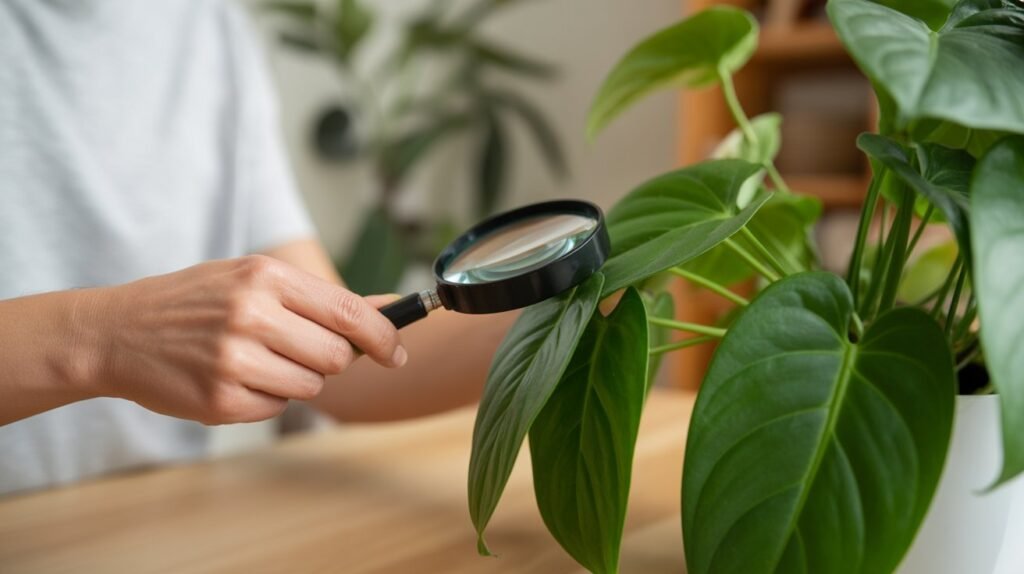
Regular monitoring and proactive care create a healthier indoor garden overall. By paying attention to your plants and applying Essential Houseplant Care Tips, you can prevent minor issues from becoming major problems, maintain vibrant foliage, and enjoy a lush, resilient indoor plant collection that enhances both your home’s aesthetic and air quality.
Final Thoughts
Caring for houseplants doesn’t have to be overwhelming, especially when you know the common mistakes to avoid. From overwatering and neglecting light requirements to skipping fertilization or ignoring plant health signs, each misstep can affect your indoor garden’s vitality. By consistently applying Essential Houseplant Care Tips, you can prevent these issues and create a thriving environment for your plants.
The key to a lush, healthy indoor garden lies in observation, consistency, and understanding each plant’s unique needs. Paying attention to watering schedules, light exposure, humidity, soil quality, and seasonal adjustments ensures your houseplants remain vibrant and resilient. Following Essential Houseplant Care Tips allows even busy plant lovers to maintain their greenery with minimal stress and maximum results.
Ultimately, nurturing houseplants is a rewarding experience that enhances your home’s aesthetic, improves air quality, and brings a sense of calm and connection to nature. Implementing Essential Houseplant Care Tips and avoiding these common mistakes will help you enjoy a thriving indoor garden, full of life and beauty, all year round.