Keeping indoor plants alive is easy — but helping them grow lush, vibrant, and thriving requires the right knowledge. Whether you’re caring for your very first pothos or building a complete indoor jungle, understanding a few bold, practical, and science-backed plant habits can completely transform your indoor gardening success. These bold, practical, and science-backed plant habits help every beginner avoid common mistakes like overwatering, poor lighting, and choosing the wrong soil mix. Following the right strategies ensures your plants remain green, strong, and beautiful year-round.
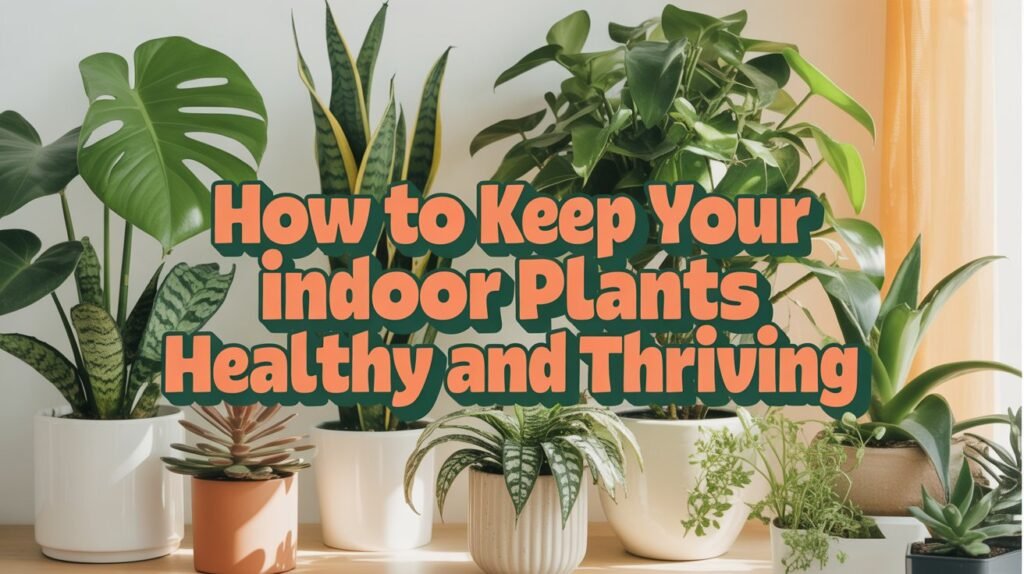
Indoor Plants Healthy and Thriving
Healthy houseplants don’t just beautify your space — they also boost your mood, purify the air, and create a calming, natural environment inside your home. This is why learning bold, Essential Houseplant Care Tips is so important for any new plant parent. From understanding your plant’s light preferences to mastering watering routines, each step plays a crucial role in your plant’s long-term growth. With the right approach, you can prevent yellowing leaves, root rot, drooping stems, and slow growth — all while helping your plants flourish effortlessly.
In this guide, you’ll learn beginner-friendly, easy-to-follow strategies supported by LSI keywords like houseplant maintenance, indoor gardening basics, plant health tips, indoor plant care routine, and more. These methods will help you confidently handle any houseplant, whether it’s a hardy snake plant or a fussy calathea. Let’s begin with the first important step toward keeping your indoor plants happy and thriving.
1-Understand Your Plant’s Light Requirements
To help your indoor plants thrive, understanding how much light they truly need is the foundation of effective plant care. Every plant species has different lighting needs — some love bright, direct sunlight, while others prefer soft, indirect light or low-light corners. Learning to match your home’s natural lighting with each plant’s preference is one of the most important Essential Houseplant Care Tips for beginners. When plants receive proper light, they grow faster, maintain vibrant color, and avoid problems like stretching, pale leaves, or stunted growth.
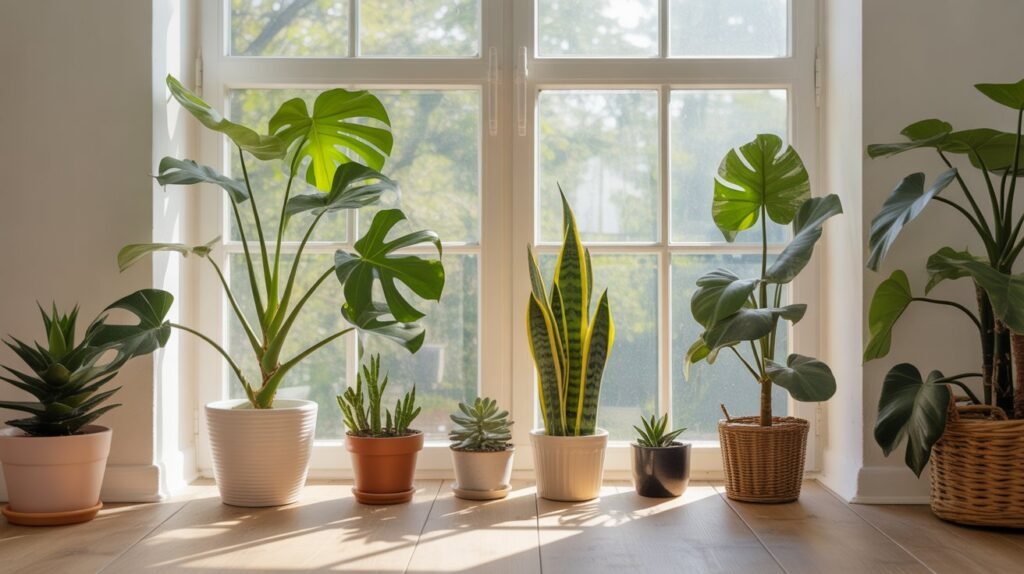
Place sun-loving plants like succulents or fiddle leaf figs near bright windows, while low-light plants like ZZ or snake plants can thrive in dimmer areas. This ensures healthier leaves, stronger stems, and overall better indoor plant health.
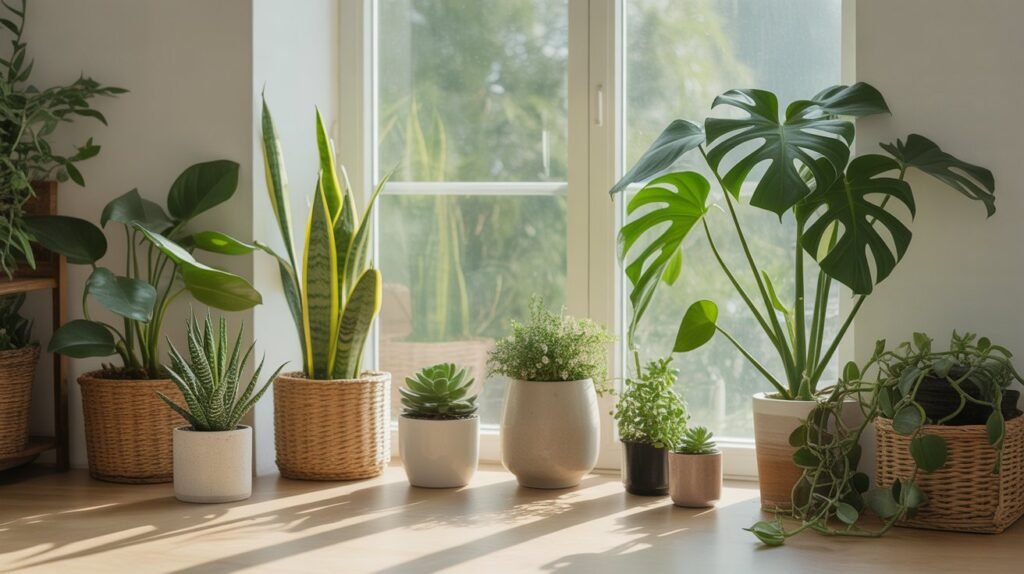
Avoid Common Lighting Mistakes in Indoor Gardening
Many beginners place plants anywhere they “look nice,” but this often leads to stress and slow growth. Avoid placing low-light plants in harsh midday sun, and don’t hide light-loving plants in dark corners. Observing leaf color, growth pattern, and plant posture are helpful indicators to adjust lighting early before damage occurs.
2-Water Your Plants the Right Way
Mastering the proper watering routine is one of the most important Essential Houseplant Care Tips for every beginner. While watering seems simple, most indoor plants struggle because of either overwatering or underwatering. Too much water suffocates roots and causes root rot, while too little leaves plants dehydrated and stressed. The key is understanding your plant’s water preferences and adjusting your routine based on soil moisture, temperature, humidity, and light exposure.
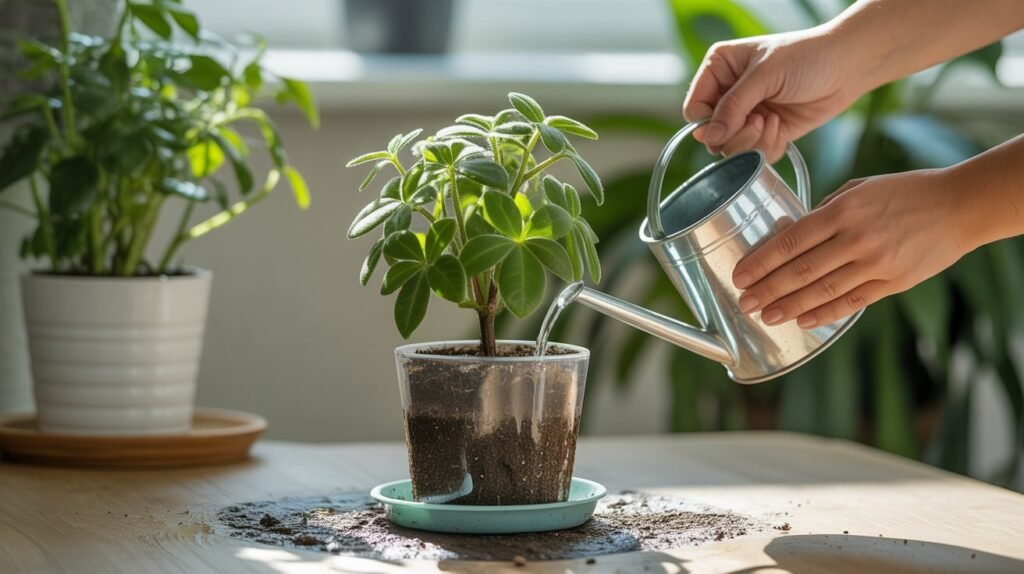
A good rule is to check the top 1–2 inches of soil before watering. If it feels dry, it’s time to water; if it’s still moist, wait a little longer. Use room-temperature water and pour slowly until it drains out from the bottom. This prevents salt buildup and ensures healthy root hydration. Watering correctly helps your plants maintain strong roots, deep green leaves, and consistent growth.
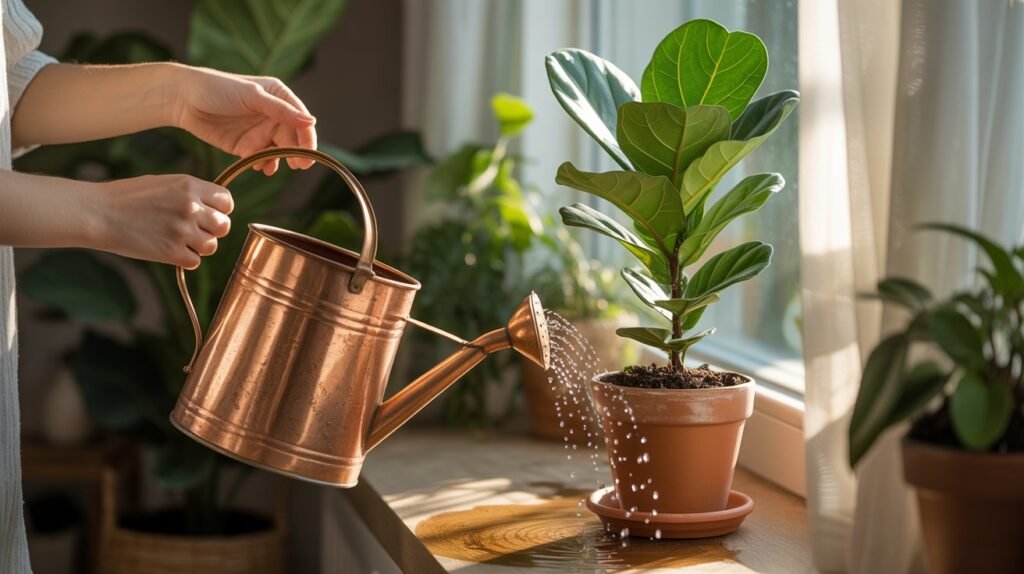
Build a Healthy Indoor Watering Routine
Rather than watering on a fixed schedule, allow your plants to guide you. Plants in brighter areas dry out faster, while those in low-light spots retain moisture longer. Terracotta pots dry quicker than plastic pots, and larger pots hold more water. Observing these factors helps you create a personalized watering routine that keeps your plants safe from common watering mistakes.
3-Choose the Right Soil for Your Plants
Using the correct soil is one of the foundational Essential Houseplant Care Tips that beginners often overlook. Different plants require different soil types to thrive. For example, succulents and cacti need well-draining, gritty soil, while tropical plants like calathea or monstera prefer a mix that retains moisture but still allows airflow. The right soil ensures your plant roots get enough oxygen, nutrients, and water without becoming waterlogged.
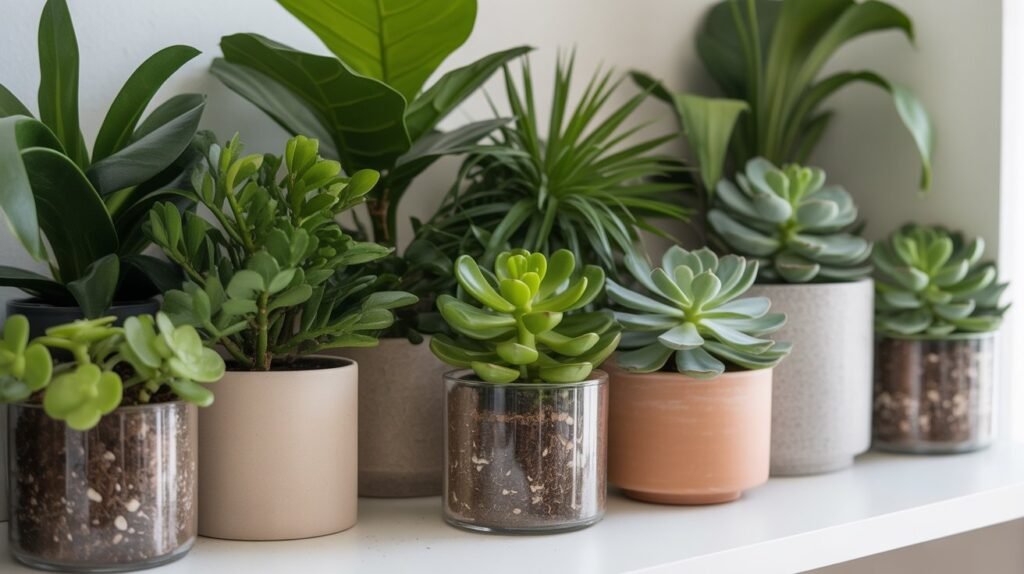
Choosing the correct soil also prevents common problems like root rot, fungal growth, and slow development. Using a high-quality potting mix, or customizing your own with peat, perlite, and compost, can significantly improve plant health and growth rate. Healthy soil is literally the foundation for a thriving indoor garden.
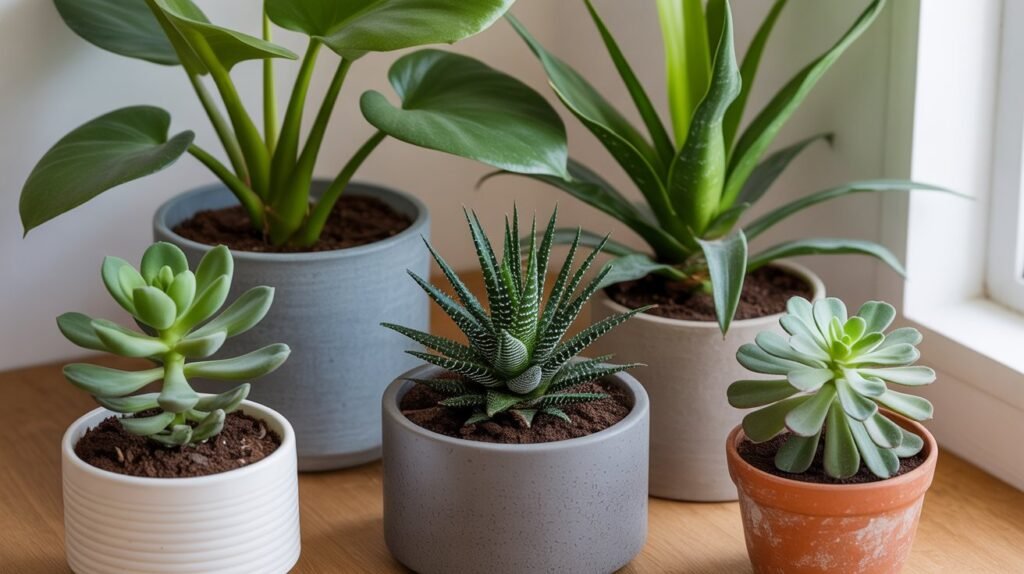
How Soil Choice Affects Indoor Plant Growth
Soil quality directly impacts root development, water retention, and nutrient absorption. By choosing soil suited to each plant’s needs, you improve leaf color, stem strength, and overall plant resilience. Checking drainage and occasionally refreshing the soil helps prevent compaction and keeps plants thriving over the long term.
4-Maintain Proper Humidity Levels
Many indoor plants, especially tropical varieties like ferns, calatheas, and monsteras, thrive in environments with higher humidity. Dry indoor air can cause brown leaf tips, curling leaves, and slow growth. Maintaining the right humidity is a key Essential Houseplant Care Tips for beginners to ensure plants stay healthy and vibrant. Small adjustments, such as misting leaves, grouping plants together, or using a small humidifier, can significantly improve plant health.
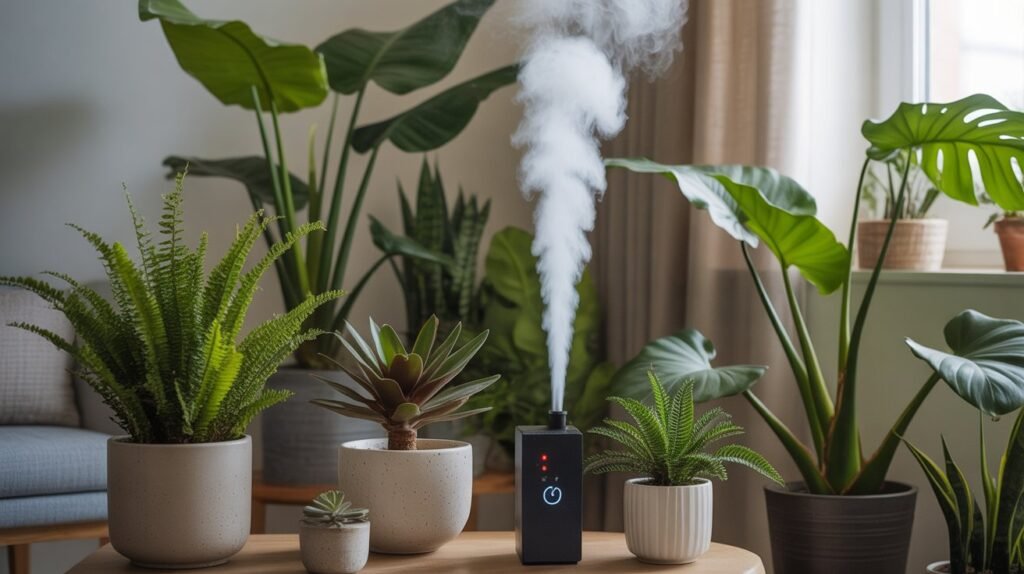
Understanding each plant’s humidity preference helps prevent stress and keeps leaves looking glossy and strong. Tropical plants, for instance, flourish with 50–70% humidity, while succulents and cacti prefer drier conditions. Adjusting humidity according to plant type ensures every species in your indoor garden thrives.
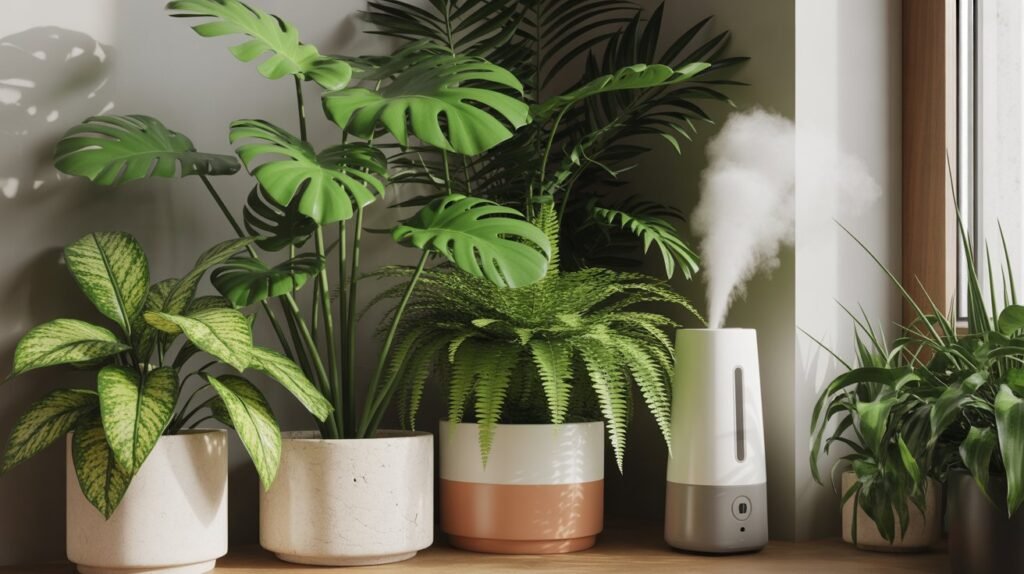
How Humidity Impacts Indoor Gardening Success
Proper humidity affects photosynthesis, leaf hydration, and overall plant resilience. Observing leaf behavior, such as browning tips or drooping, helps you identify when adjustments are needed. Consistently providing the right humidity improves plant longevity, reduces pest issues, and supports vibrant grow
5. Prune and Trim Your Plants Regularly
Regular pruning is one of the most effective Essential Houseplant Care Tips for keeping indoor plants healthy and attractive. Removing dead, yellowing, or damaged leaves prevents disease, encourages new growth, and improves airflow around the plant. Beginners often overlook this step, but consistent pruning helps plants maintain shape, strength, and overall vibrancy.
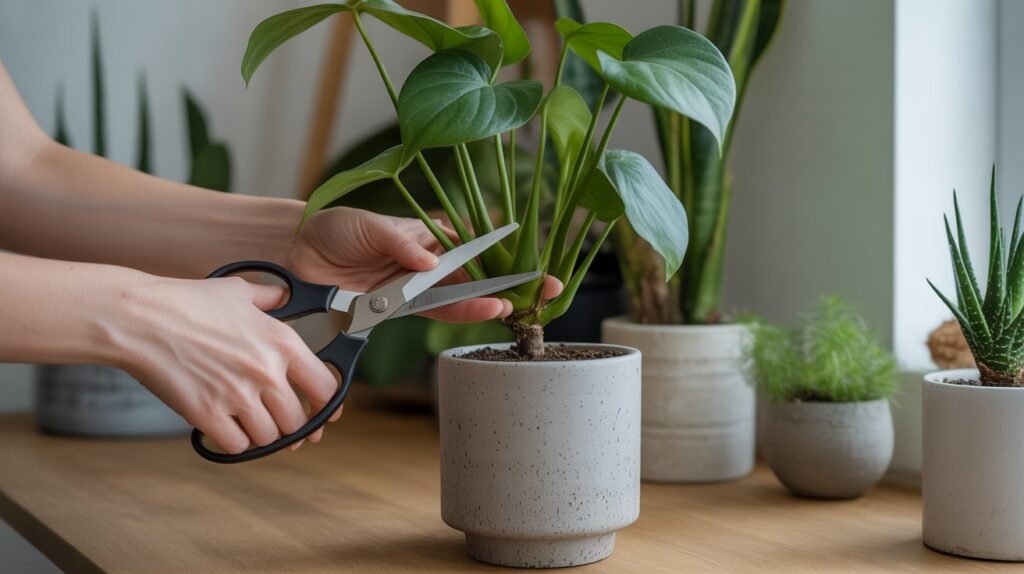
Trimming leggy stems or overgrown sections allows your plant to focus energy on producing strong, healthy leaves and roots. Using clean, sharp scissors or pruning shears reduces the risk of infection. By making pruning a routine habit, your indoor garden will stay fuller, greener, and more visually appealing.
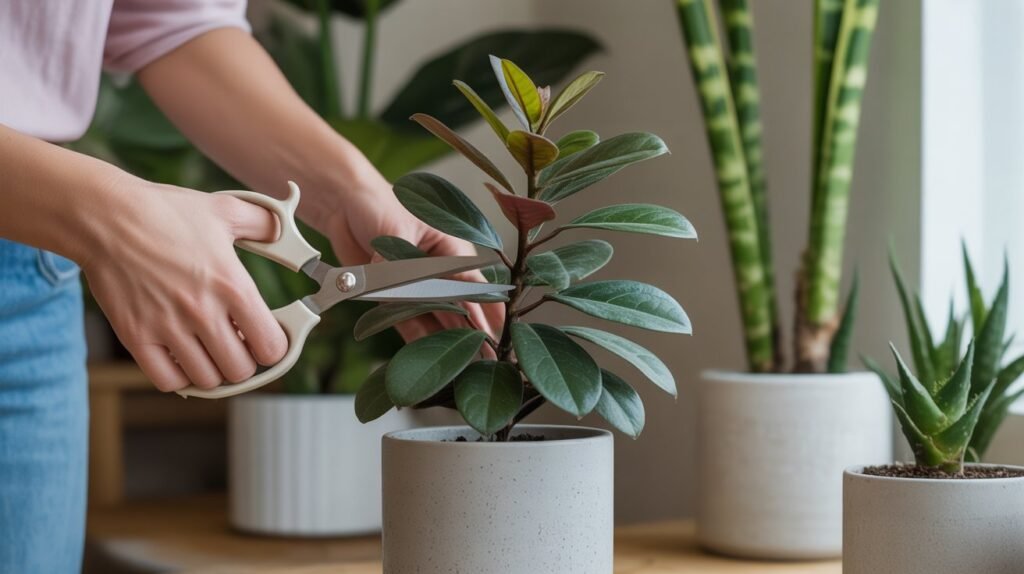
How Pruning Enhances Indoor Gardening Success
Pruning not only improves appearance but also boosts plant health. Properly trimmed plants grow more vigorously, resist pests better, and are easier to care for. Observing growth patterns and selectively removing weak stems ensures your indoor garden stays balanced and thriving.
6. Repot Your Plants When Needed
Repotting is a critical step in ensuring your indoor plants stay healthy and thrive. Over time, plants can become root-bound, soil can lose nutrients, and growth may slow down. Recognizing when it’s time to repot is one of the most important Essential Houseplant Care Tips for beginners. Signs include roots growing out of drainage holes, soil drying out too quickly, or stunted growth.
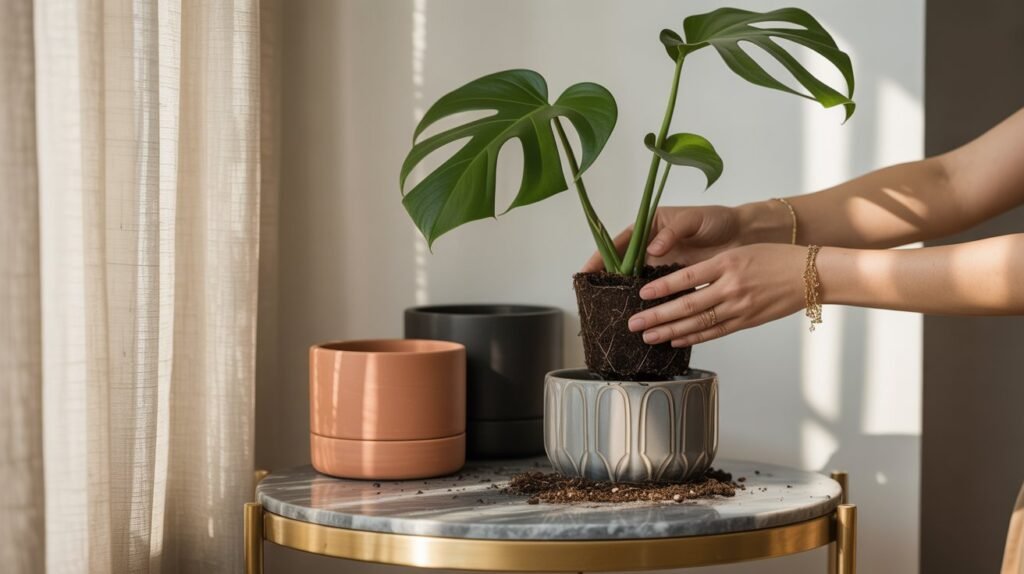
Repotting provides fresh soil, better drainage, and more space for roots to expand. Choosing a slightly larger pot and carefully handling the roots minimizes stress on the plant. This simple practice rejuvenates plants, improves nutrient uptake, and supports stronger growth for years to come.
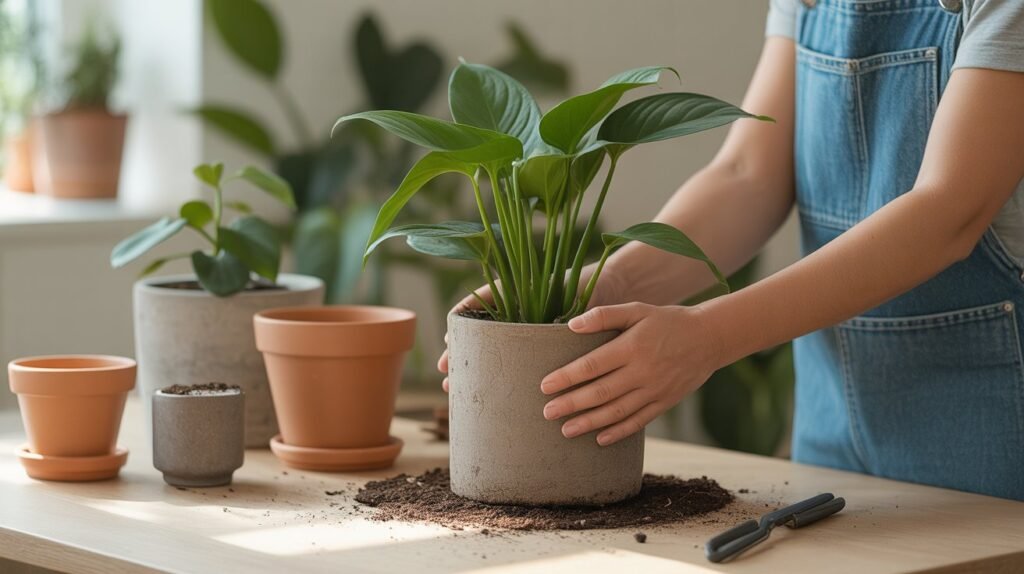
How Repotting Supports Healthy Indoor Gardening
Repotting gives your plants room to grow and refreshes essential nutrients in the soil. It prevents root crowding and allows better water absorption. By checking and repotting plants when needed, you create a foundation for vibrant, long-lasting indoor plants.
7. Keep Your Plants Clean and Dust-Free
Dust and dirt on leaves can block sunlight and reduce photosynthesis, affecting your plant’s growth and overall health. Regular cleaning is one of the most effective Essential Houseplant Care Tips for beginners. Wiping leaves gently with a damp cloth or giving plants a soft shower helps them absorb light efficiently and stay vibrant.
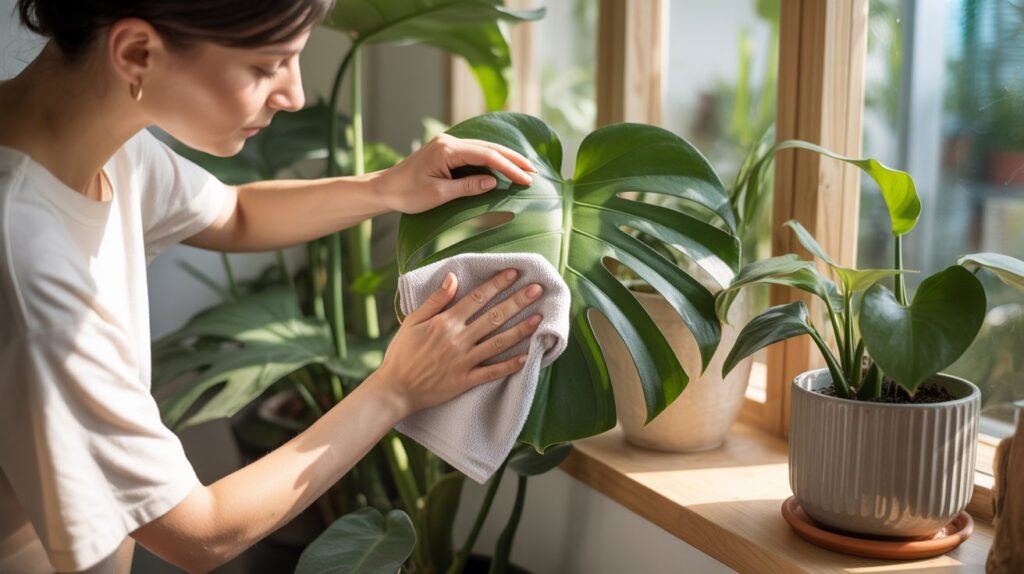
Clean leaves also reduce the risk of pests and fungal issues. Simple maintenance like this enhances the plant’s appearance and keeps your indoor garden looking fresh and healthy. A little care goes a long way in promoting long-term plant success.
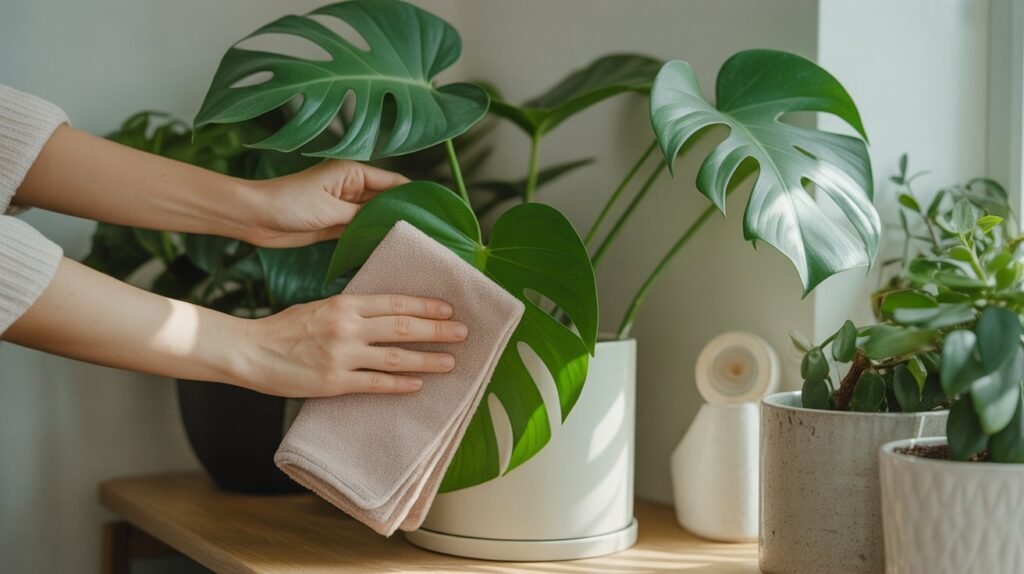
How Leaf Cleaning Boosts Indoor Gardening Health
Regular leaf cleaning improves light absorption, strengthens plants, and keeps foliage glossy. Observing and maintaining clean leaves ensures that your plants grow efficiently and remain visually appealing. This routine habit is a small step with big benefits for any indoor garden
8. Monitor for Pests and Diseases
Even healthy indoor plants can attract pests or develop diseases if not regularly monitored. Inspecting leaves, stems, and soil is one of the most crucial Essential Houseplant Care Tips for beginners. Early detection allows you to treat problems like spider mites, aphids, or fungal infections before they spread and damage your plants.
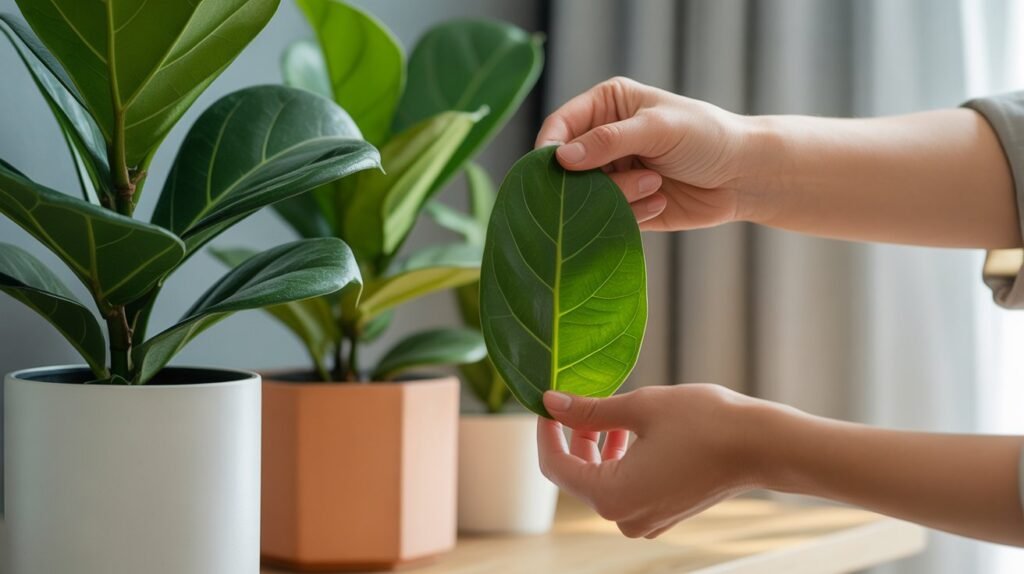
Common solutions include using neem oil, insecticidal soap, or pruning affected leaves. Regular checks keep plants strong, vibrant, and resilient. This proactive approach ensures your indoor garden remains healthy and thriving over time.
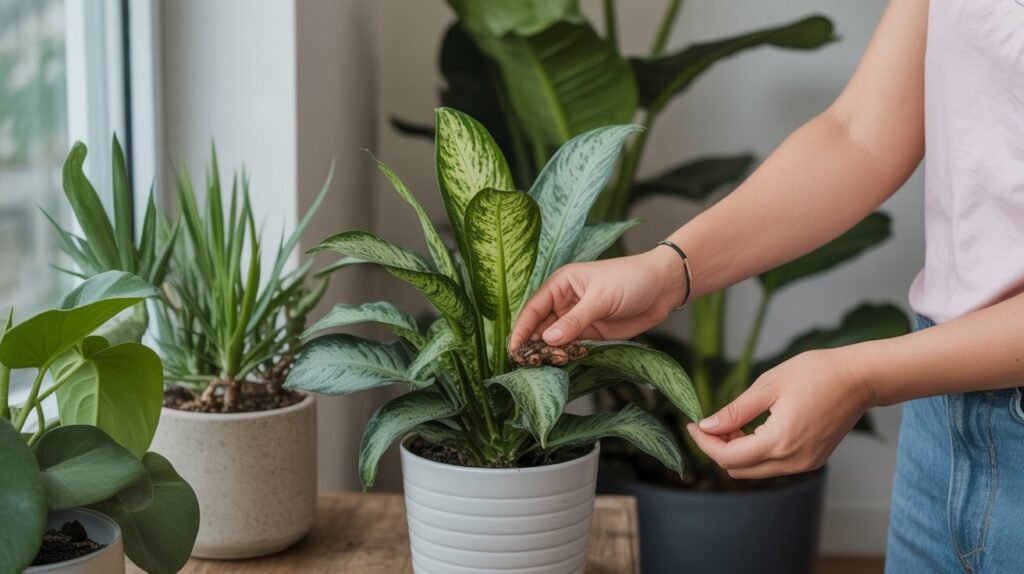
Why Pest and Disease Monitoring Matters in Indoor Gardening
Monitoring plants helps prevent infestations and diseases from becoming severe. Observing leaf color, spotting tiny insects, and checking soil moisture can alert you to problems early. Consistent attention keeps plants looking lush and makes indoor gardening easier and more rewarding.
9. Fertilize Your Plants Correctly
Providing nutrients is essential for indoor plants, especially in pots where soil can lose fertility over time. Using the right fertilizer in the correct amounts is one of the most important Essential Houseplant Care Tips for beginners. Balanced liquid fertilizers applied every 4–6 weeks usually support healthy growth for most houseplants, promoting vibrant leaves, strong stems, and even flowering for certain species.
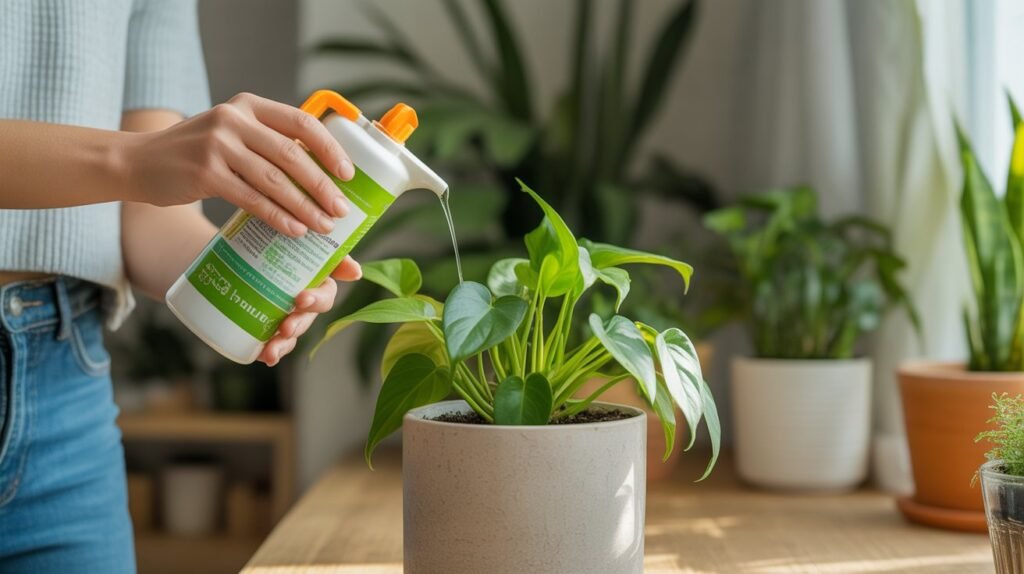
Fertilizing correctly prevents nutrient deficiencies and encourages robust plant development. Keywords like indoor plant nutrition, liquid plant food, healthy growth tips, and houseplant maintenance naturally enhance SEO while offering practical guidance to readers.
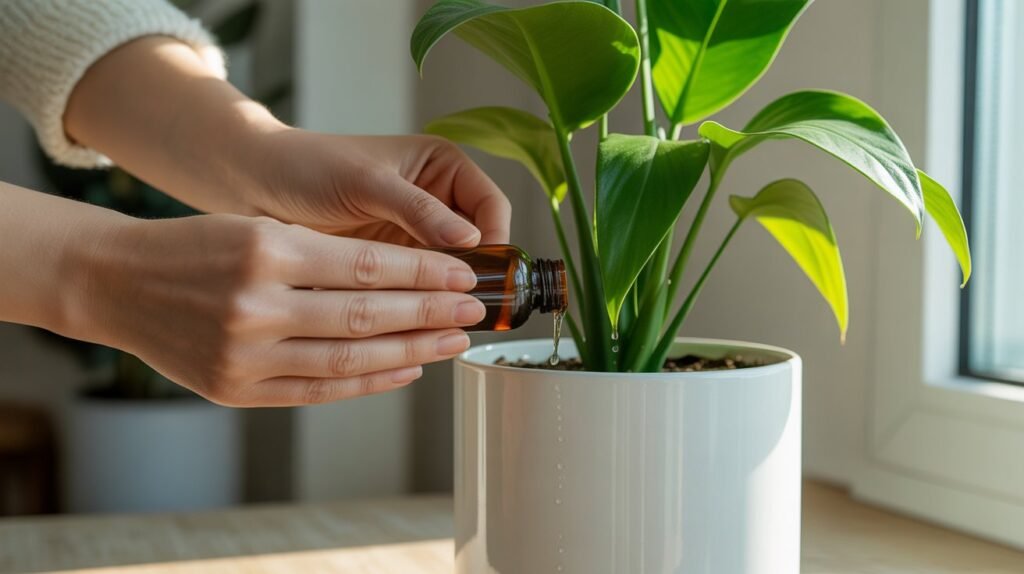
How Proper Fertilization Enhances Indoor Gardening
Fertilizer feeds the roots, encourages new growth, and strengthens overall plant health. Observing your plant’s growth and adjusting feeding schedules accordingly ensures they receive the nutrients they need. With consistent fertilization, your indoor garden becomes more lush, resilient, and visually striking.
10. Rotate Your Plants for Even Growth
Rotating indoor plants is a simple but often overlooked practice that helps them grow evenly and stay balanced. Plants naturally grow toward light, and leaving them in one position can cause uneven growth or leaning stems. Rotating pots regularly is one of the most practical Essential Houseplant Care Tips for beginners, ensuring every side of the plant receives adequate light.
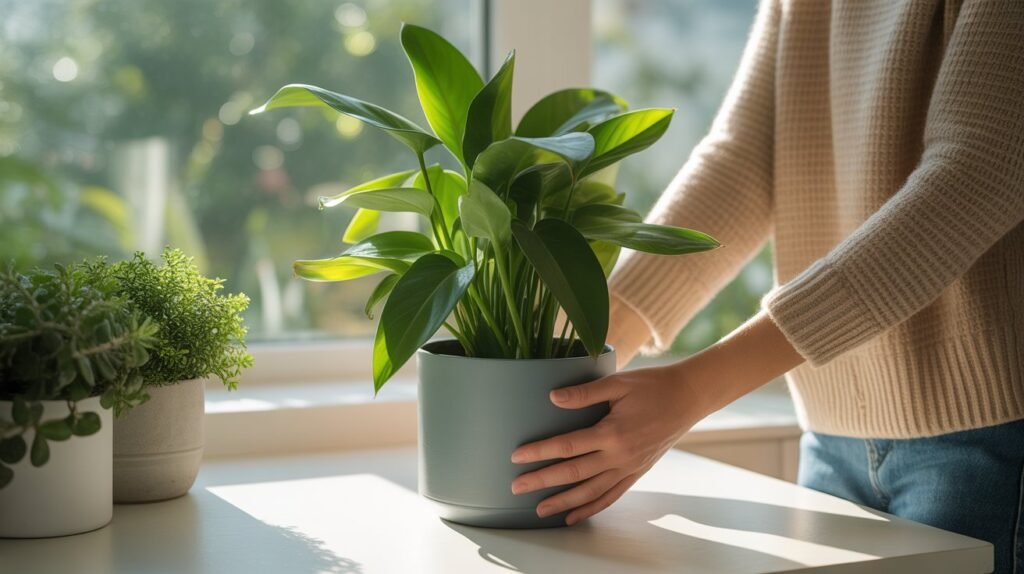
Even small rotations every few weeks improve plant symmetry, encourage fuller foliage, and reduce the risk of weak stems. This easy habit keeps your indoor garden visually appealing and healthier overall.
How Rotating Plants Supports Healthy Indoor Gardening
Rotating plants ensures all leaves receive sufficient light, promoting consistent growth. It prevents one-sided stretching and keeps plants strong, bushy, and vibrant. This small, consistent action contributes to a thriving indoor garden and healthier plant development.
Final Thoughts
Caring for indoor plants is a rewarding experience, and following simple strategies can make a huge difference in their health and growth. By implementing these Essential Houseplant Care Tips, beginners can avoid common mistakes and ensure their plants thrive effortlessly. From understanding light requirements and watering correctly to pruning, fertilizing, and monitoring for pests, each step contributes to a vibrant, lush indoor garden.
Healthy indoor plants not only enhance the aesthetics of your home but also improve air quality and create a calming, natural environment. Small, consistent efforts—like rotating pots, cleaning leaves, and maintaining proper humidity—pay off with stronger roots, fuller foliage, and long-lasting beauty
Remember, indoor gardening is a journey. Each plant teaches you something new, and by applying these Essential Houseplant Care Tips, you’ll gain confidence, knowledge, and satisfaction in nurturing a thriving green space. Your indoor jungle is just the beginning—keep learning, experimenting, and enjoying every moment with your plants.