Starting your indoor plant journey is exciting, but it can feel confusing when every plant seems to need different care. The good news? Once you understand a few basic principles, caring for houseplants becomes simple, enjoyable, and incredibly rewarding. In this blog, we’ll walk through the most practical and beginner-friendly advice to help you grow healthy plants with confidence. These Essential Houseplant Care Tips are easy to follow and perfect for anyone just starting out.
10 Essential Houseplant Care Tips Every Beginner Should Know
Indoor plants thrive when their fundamental needs—light, water, soil, and airflow—are met. Small adjustments, such as choosing the right pot, placing plants in the correct light, or learning the right watering routine, can dramatically improve plant health. This blog naturally focuses on important keywords like indoor plant care, beginner plant tips, houseplant maintenance, healthy indoor plants, and low-maintenance plants, helping your content rank better on Pinterest and Google without feeling forced or unnatural.
Whether your goal is to keep a single plant alive or to build a full indoor jungle, these Essential Houseplant Care Tips will guide you step-by-step toward becoming a confident plant parent. Let’s begin your journey with knowledge that sets you up for long-term success.
1. Choose Beginner-Friendly Houseplants
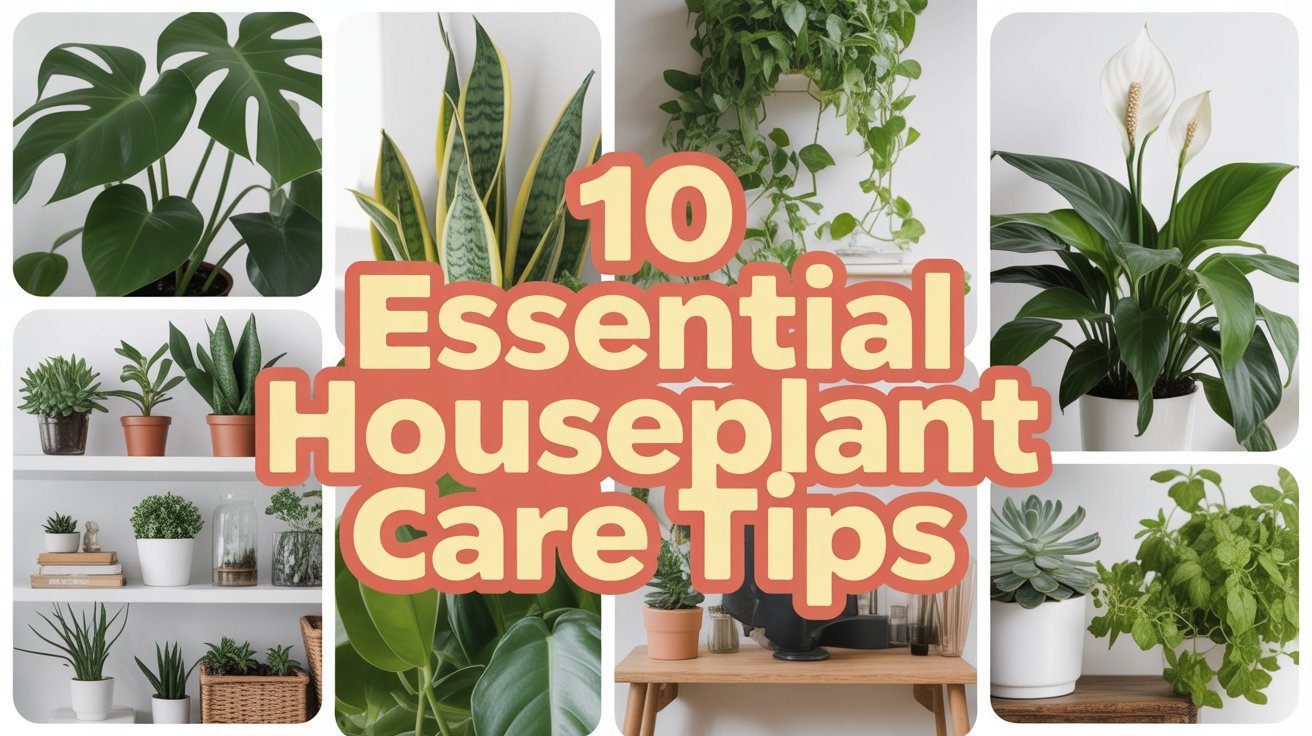
The best way to start with indoor gardening is by choosing plants that naturally adapt well to different home environments. Beginner-friendly plants like pothos, snake plants, ZZ plants, and spider plants are known for thriving with minimal effort. They tolerate low light, occasional underwatering, and inconsistent care—making them ideal for anyone still learning. Selecting these plants early on is one of the smartest Essential Houseplant Care Tips, as it increases your chances of success and avoids early plant frustration.
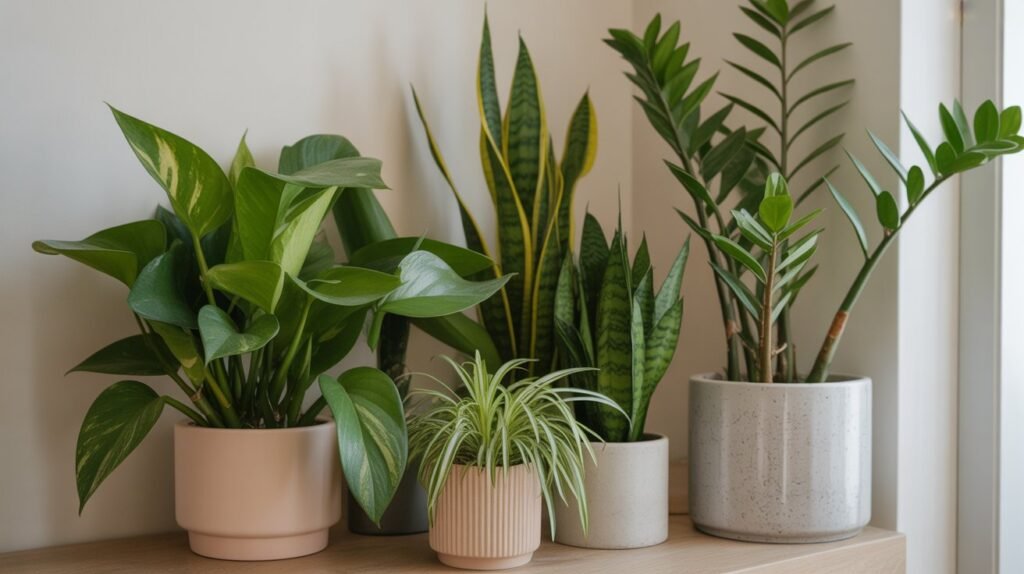
Using simple and clear choices like these also supports strong SEO, thanks to related keywords like easy indoor plants, best beginner plants, low-maintenance houseplants, and hard-to-kill plants. These varieties not only survive but also add beauty and freshness to your home effortlessly.
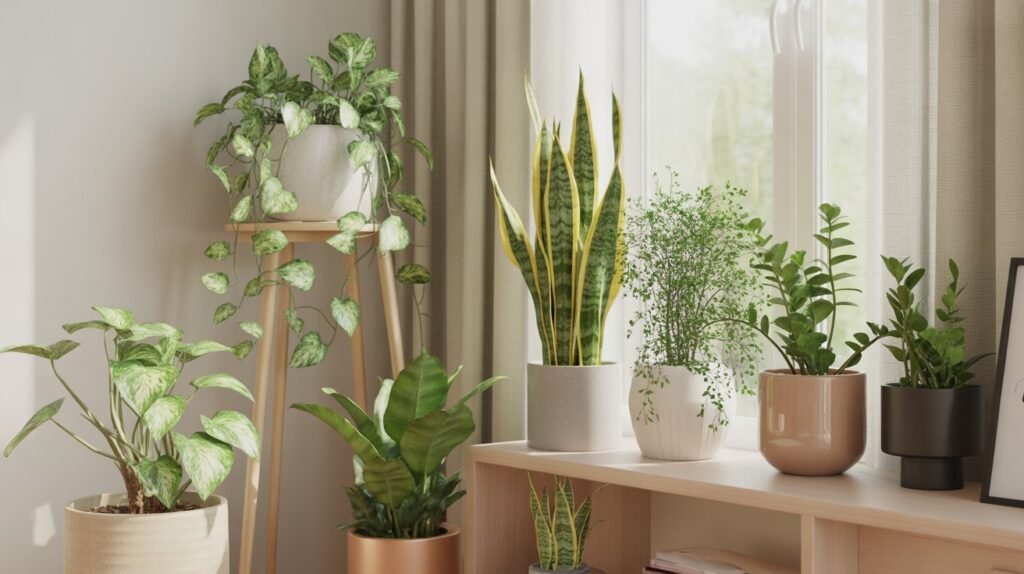
Why Beginner-Friendly Plants Make Gardening Easier
Starting your indoor gardening journey with easy-care plants reduces the pressure of strict routines and helps you understand plant behavior slowly. These resilient plants give you time to learn how watering, light, and soil work—allowing you to develop natural gardening instincts without fear of losing your plants. As you gain confidence, you can gradually expand to more sensitive or exotic houseplants.
2. Understand Your Plant’s Light Requirements
Light is one of the most important factors in plant growth, and understanding it early will save you from many beginner mistakes. Some houseplants love bright indirect light (like monstera and rubber plants), while others thrive in low-light corners (like snake plants and ZZ plants). Matching each plant with the right light level is one of the key Essential Houseplant Care Tips because it directly affects how fast your plants grow, how healthy their leaves stay, and whether they survive long-term
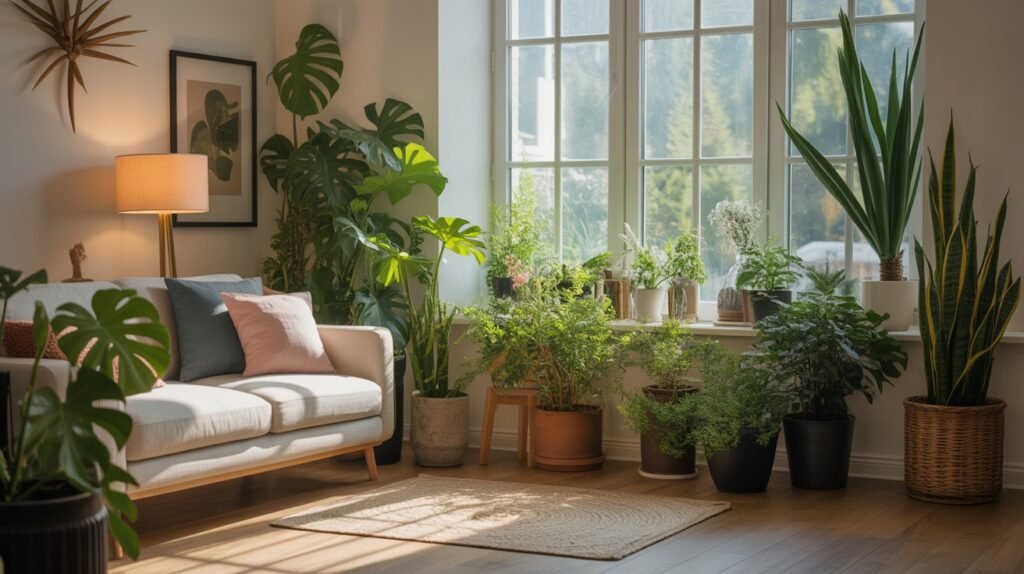
This step also supports better ranking through search-friendly terms like bright indirect light plants, low-light houseplants, indoor sunlight guide, home gardening basics, and plant light levels. Once you understand light requirements, you’ll be able to place your plants correctly and avoid issues like leaf burn, yellowing, or slow growth.
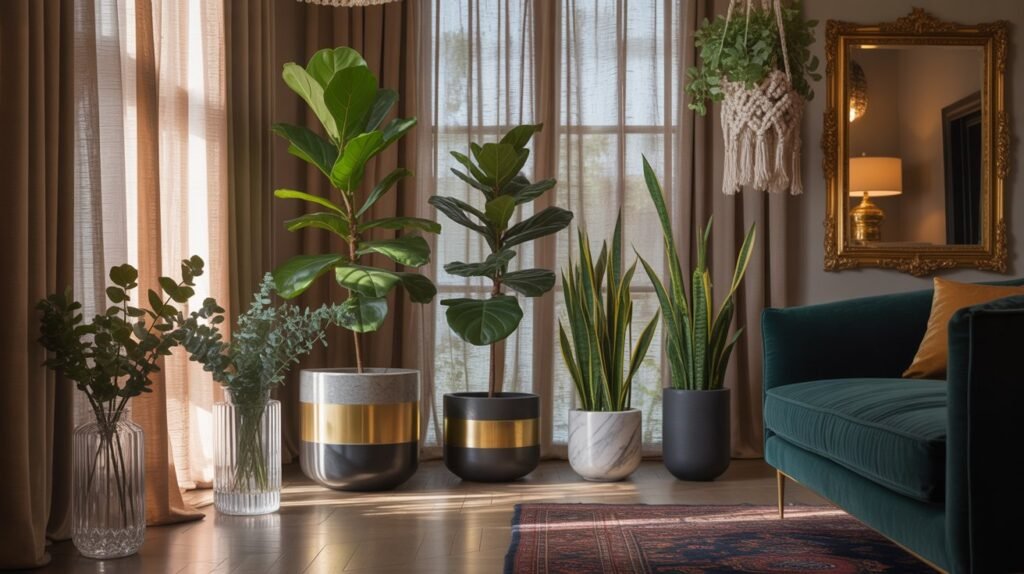
How Proper Lighting Helps Your Indoor Gardening Thrive
Correct lighting doesn’t just keep plants alive—it helps them flourish. Bright, filtered light boosts photosynthesis, encourages new leaves, and keeps colors vibrant. When you understand light intensity, direction, and duration, your indoor garden becomes healthier and easier to maintain. This knowledge also helps you confidently choose the right spot for every new plant you bring home.
3. Water Your Plants the Right Way
Watering is where most beginners struggle—either too much or too little. The truth is, every plant has its own watering needs, and learning them early will save you from common issues like root rot, yellow leaves, or drooping growth. A good starting point is to check the top 1–2 inches of soil; if it’s dry, it’s time to water. This simple habit is one of the most reliable Essential Houseplant Care Tips, especially for plants that prefer moderate moisture. Overwatering remains the number one reason beginners lose plants, so mastering proper watering can instantly improve your success rate.
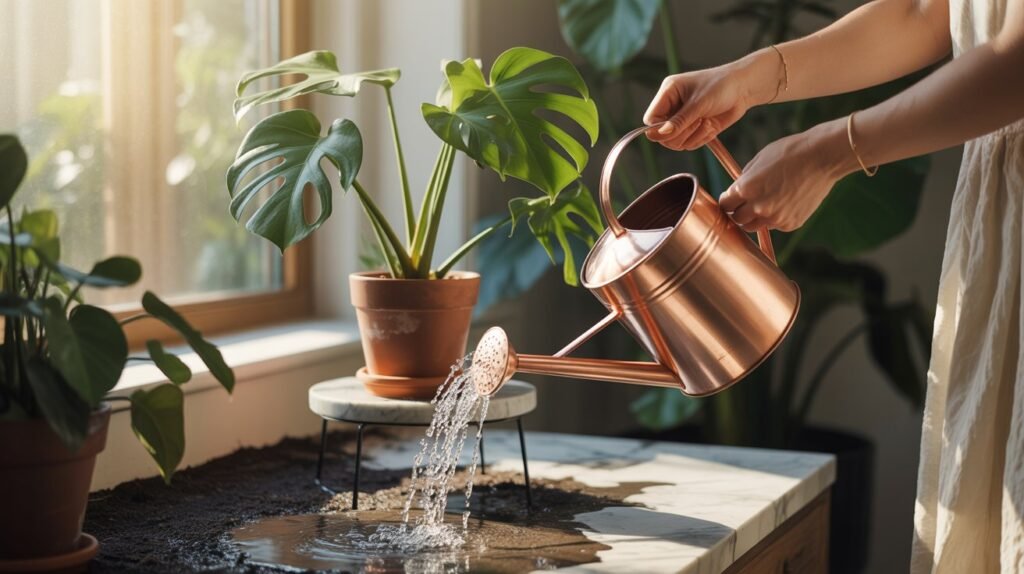
Related search-friendly terms like watering schedule for plants, how to water houseplants, plant moisture needs, beginner watering guide, and healthy indoor plants help your content rank naturally while keeping the explanation clear and helpful. Once you understand when and how much to water, your plants will stay healthier, greener, and more vibrant.
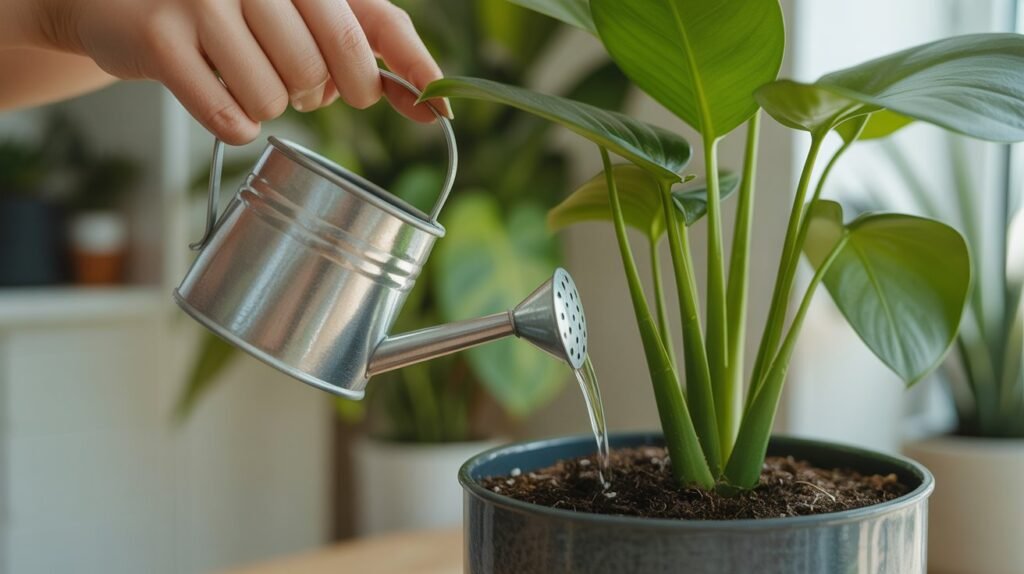
Why Smart Watering Matters in Indoor Gardening
Watering affects everything—root strength, leaf color, growth speed, and overall plant survival. Proper watering encourages deep root formation and prevents fungal issues, making your indoor garden far easier to maintain. By observing soil texture, pot weight, and plant signals, you’ll gradually develop a natural watering rhythm that keeps your plants healthy year-round.
4. Use the Right Soil Mix for Healthy Growth
Soil is the foundation of a healthy plant, and choosing the right mix can make all the difference in how your houseplants grow. Different plants need different soil textures—succulents and cacti need fast-draining gritty mixes, while tropical plants prefer a blend of peat, perlite, and bark that retains moisture while still allowing airflow. Selecting the proper soil supports root health, prevents overwatering problems, and provides essential nutrients. This makes it one of the most practical Essential Houseplant Care Tips every beginner should learn when growing plants indoors.
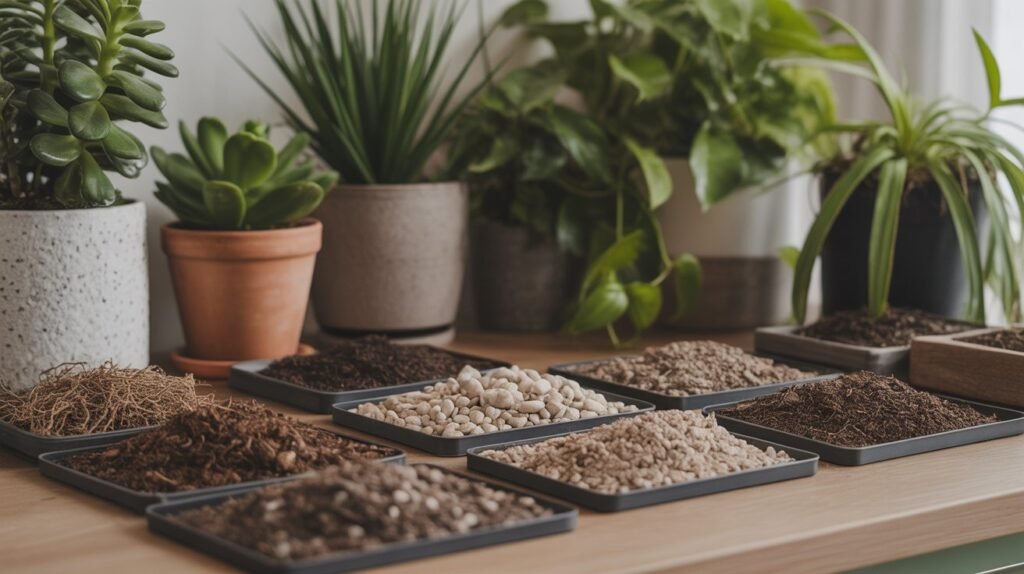
This section also aligns with helpful search-friendly phrases such as best soil for houseplants, indoor potting mix, well-draining soil, DIY soil mix, and root health tips, helping your content gain better visibility while providing real value. The right soil ensures your plant roots can breathe, absorb water efficiently, and grow stronger over tim
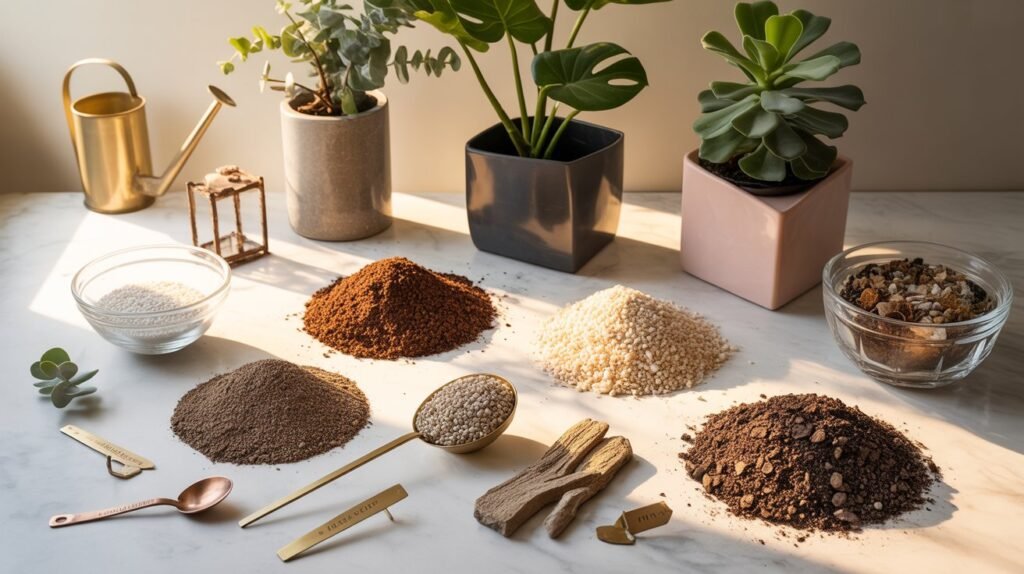
How Choosing the Right Soil Improves Your Indoor Gardening Success
Using the correct soil mix gives your plants everything they need to thrive. It prevents compacted roots, reduces the risk of fungal growth, and ensures moisture is distributed evenly. When you start paying attention to soil quality, your indoor gardening becomes more predictable, easier, and far more rewarding. Healthy soil equals healthier plants—every single time.
5. Fertilize Your Plants Properly
Fertilizing is essential for indoor plants because potted soil eventually loses nutrients over time. Using the right fertilizer in the correct amount encourages strong growth, vibrant leaves, and healthy flowers. For beginners, a balanced liquid fertilizer every 4–6 weeks is usually enough for most houseplants. This step is one of the most important Essential Houseplant Care Tips, as plants can survive without fertilizer but will thrive and grow faster when given proper nutrients.
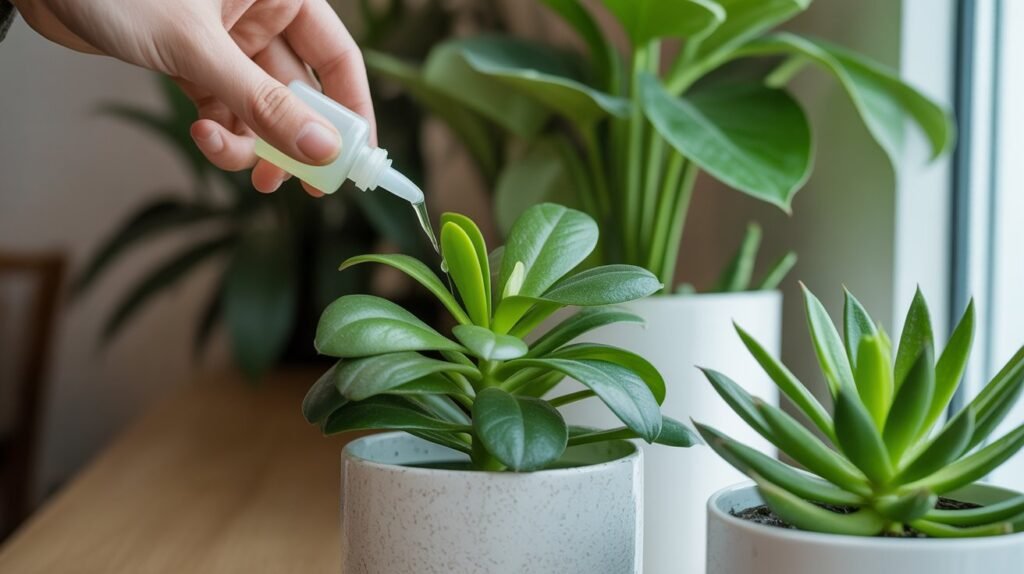
In addition, including helpful terms like best fertilizer for houseplants, indoor plant nutrition, liquid plant food, and plant growth tips naturally supports your SEO while providing actionable advice. Proper fertilization ensures your indoor garden stays lush and vibrant without overwhelming beginner gardeners.
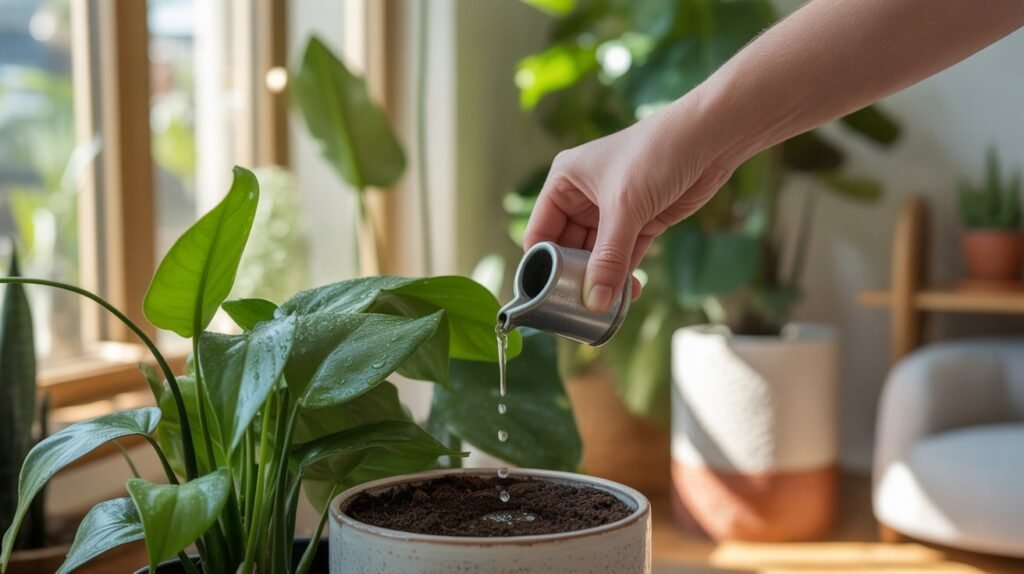
How Fertilizer Boosts Your Indoor Gardening Results
Fertilizing your plants feeds their roots, promotes strong leaf development, and increases overall resilience. When you understand what nutrients your plant needs—nitrogen for leaves, phosphorus for roots, and potassium for flowers—you can maintain a healthy indoor garden effortlessly. Regular feeding makes your plants stronger, more beautiful, and easier to care for in the long run.
6. Keep Your Plants Clean and Dust-Free
Dust and dirt on leaves can block sunlight and reduce a plant’s ability to photosynthesize, which affects growth and overall health. Regularly wiping leaves with a damp cloth or giving plants a gentle shower is one of the simple yet crucial Essential Houseplant Care Tips that beginners often overlook. Clean leaves not only allow your plant to absorb light efficiently but also keep them looking vibrant and attractive in your home.
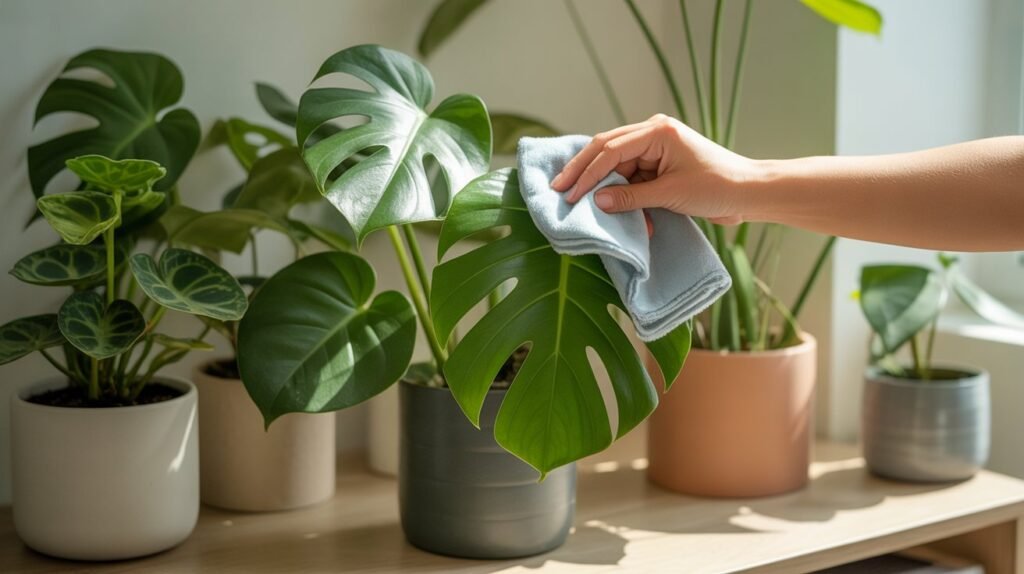
Using related terms like cleaning houseplants, dust-free leaves, plant care maintenance, and healthy indoor plants helps this section rank naturally while giving readers actionable advice. A little regular care goes a long way in ensuring your indoor garden stays lush and thriving.
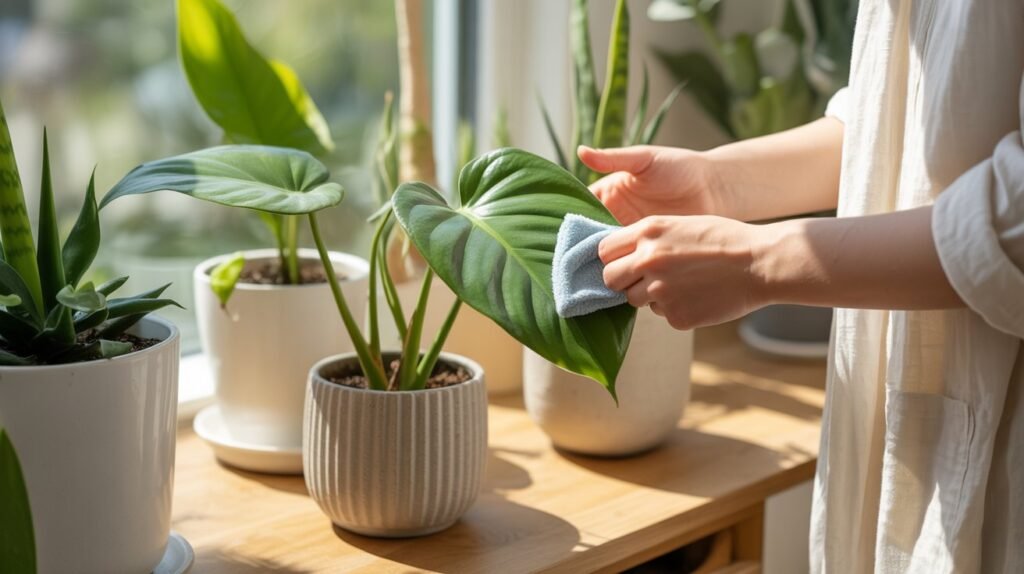
How Leaf Cleaning Improves Your Indoor Gardening Success
Regular leaf cleaning prevents pests, enhances light absorption, and keeps your indoor plants looking their best. When you make it a routine part of your gardening habits, plants stay healthier, grow faster, and become more resistant to stress. Even simple methods like misting or wiping leaves can make a noticeable difference in the long-term care of your indoor garden.
7. Monitor Humidity Levels for Healthier Plants
Many indoor plants, especially tropical varieties like ferns, monstera, and calatheas, thrive in higher humidity. Dry indoor air can lead to brown leaf tips, slow growth, and drooping leaves. Using a small humidifier, misting leaves, or placing plants in naturally humid areas is one of the most effective Essential Houseplant Care Tips for beginners. Understanding and adjusting humidity helps your plants look healthier and grow more vigorously.
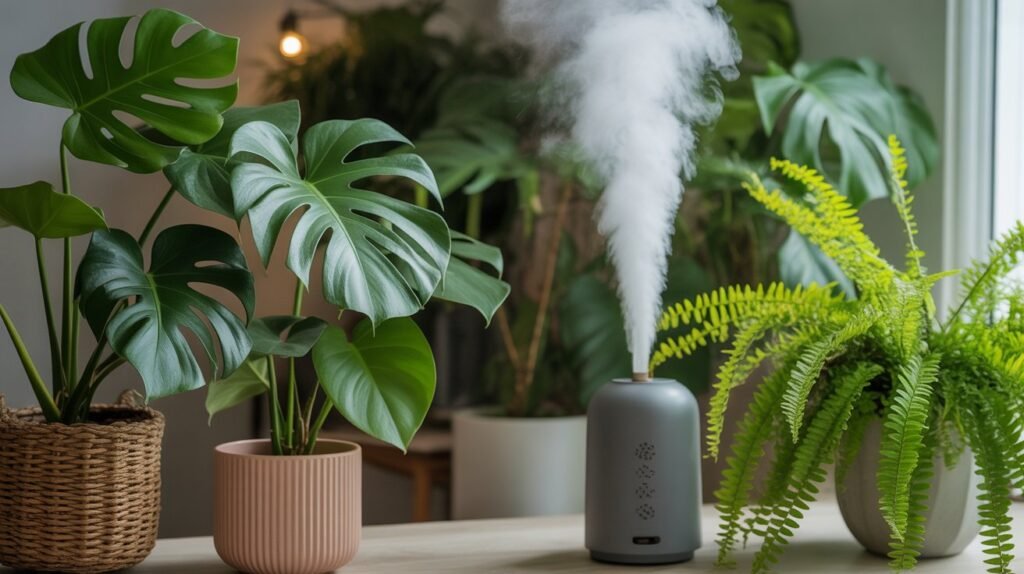
Including terms like indoor plant humidity, tropical plant care, preventing leaf browning, and healthy houseplants improves your content’s visibility while offering readers practical guidance. When you control humidity, your indoor garden becomes more resilient and visually appealing.
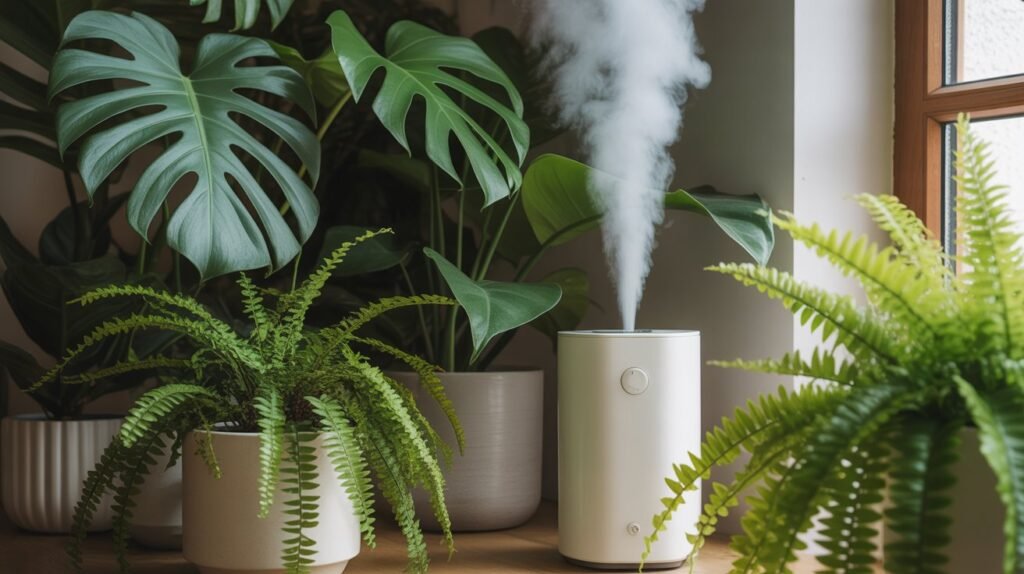
Why Maintaining Proper Humidity Enhances Indoor Gardening
Plants absorb moisture through their leaves, and consistent humidity prevents stress, leaf damage, and slowed growth. By keeping humidity at optimal levels for each plant, you reduce the risk of common indoor plant problems. Even small adjustments like grouping plants together or using a pebble tray can significantly improve their health.
8-Prune Your Plants Regularly
Pruning is a simple yet powerful way to keep houseplants healthy and looking their best. Removing dead leaves, yellowing foliage, or leggy growth encourages new shoots and stronger stems. Regular pruning is one of the most important Essential Houseplant Care Tips for beginners because it prevents overcrowding, promotes airflow, and maintains a clean, attractive appearance.
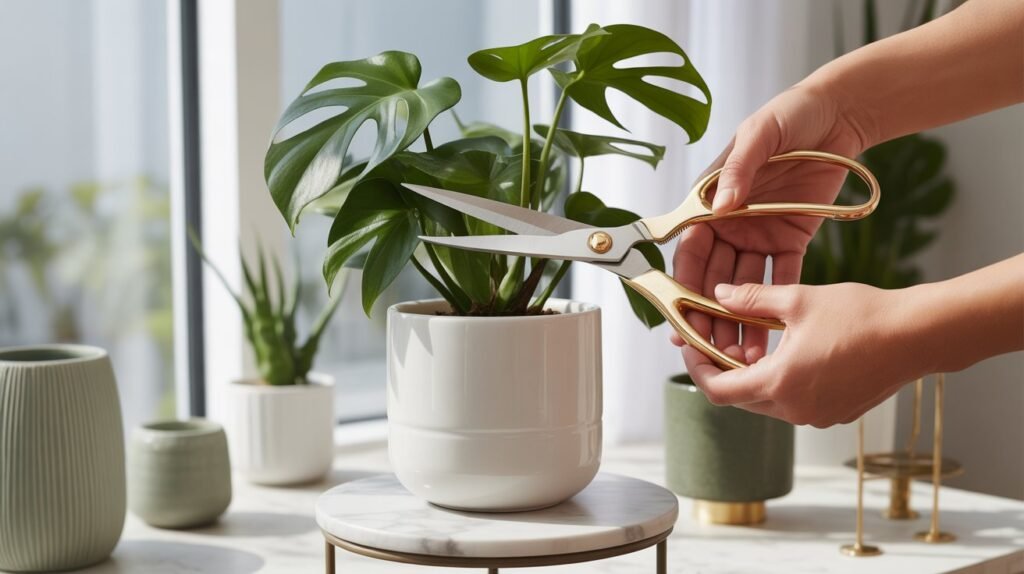
Using related phrases like houseplant pruning tips, trimming indoor plants, healthy growth techniques, and plant maintenance guide helps your blog stay relevant while giving readers actionable advice. With consistent pruning, your indoor garden becomes fuller, healthier, and more vibrant.
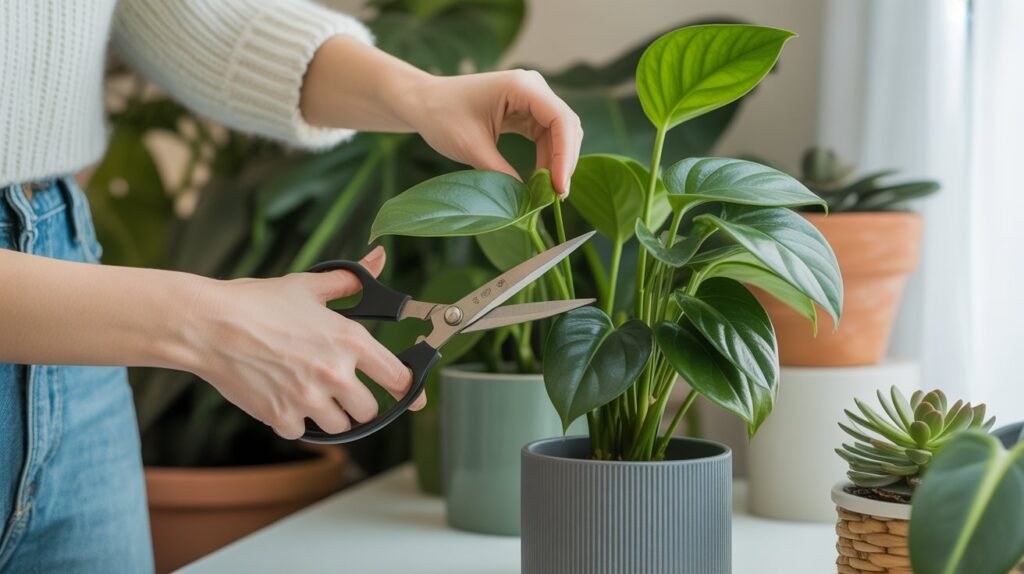
How Pruning Supports Indoor Gardening Success
Pruning not only enhances a plant’s appearance but also improves its overall health. By cutting away old, damaged, or excessive growth, you allow the plant to focus energy on developing new leaves and stronger stems. Over time, this simple practice results in a more lush and balanced indoor garden.
9. Repot Your Plants When Needed
Repotting is crucial for houseplants as they grow and their roots fill the container. Signs like roots growing out of drainage holes, slow growth, or water not soaking in properly indicate it’s time to repot. Doing this carefully is one of the most effective Essential Houseplant Care Tips for beginners because it refreshes soil, provides more space for roots, and supports healthy growth.
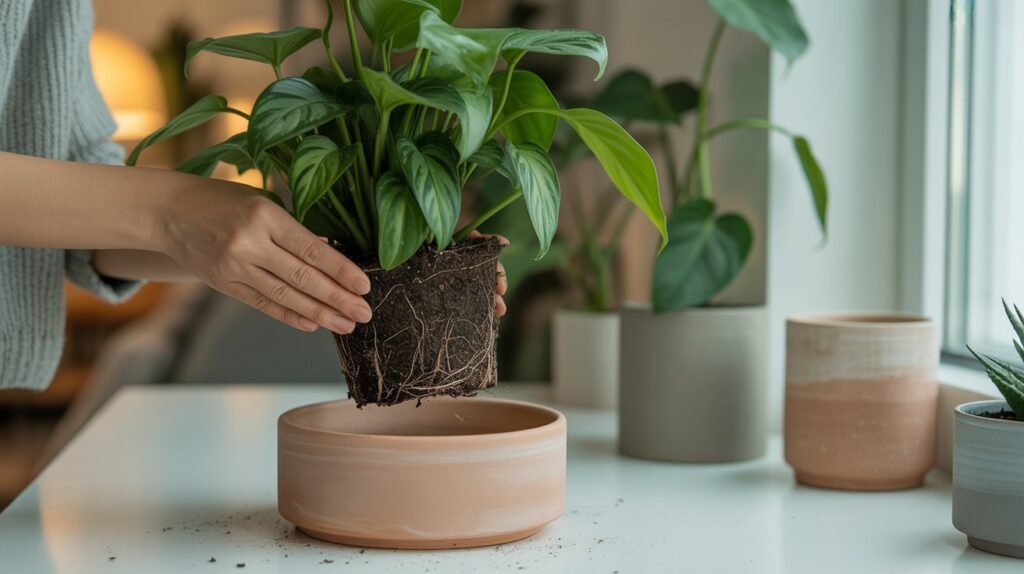
SEO-friendly terms like repotting houseplants, when to repot indoor plants, healthy plant roots, and potting tips for beginners naturally boost your blog’s visibility while giving readers actionable steps. Repotting prevents root-bound issues and ensures your plants continue thriving over the long term.
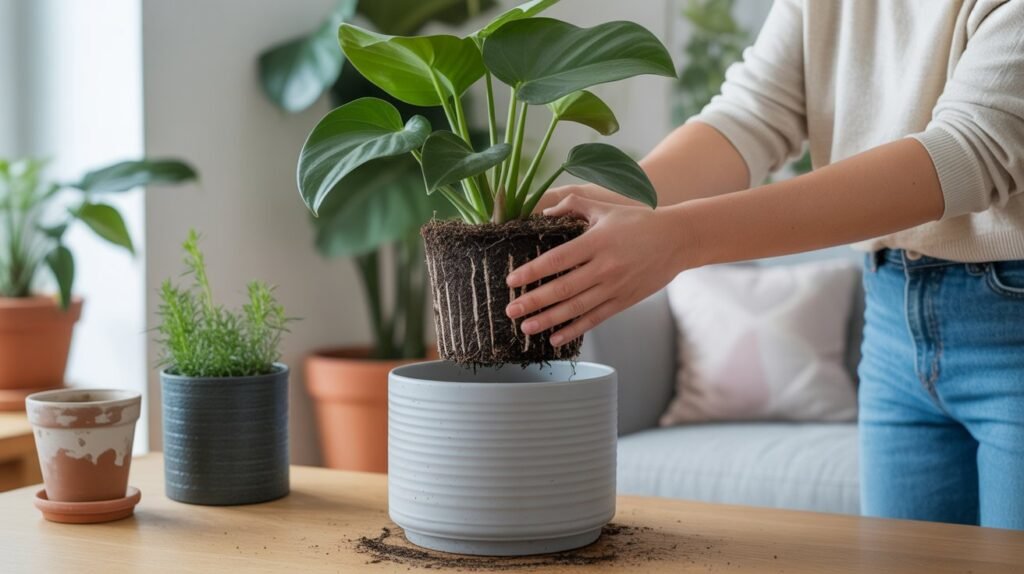
How Repotting Improves Your Indoor Gardening Success
Repotting provides your plants with fresh nutrients, better drainage, and more room to grow. It also reduces stress caused by compacted soil or overcrowded roots. With proper repotting practices, your indoor garden becomes healthier, easier to manage, and more visually appealing.
10. Keep an Eye Out for Pests and Diseases
Even the healthiest indoor plants can attract pests or develop diseases. Regularly inspecting leaves, stems, and soil helps you catch issues early before they become serious. This is one of the most important Essential Houseplant Care Tips for beginners because early detection makes treatment easier and prevents damage to other plants in your home. Common problems include spider mites, aphids, and fungal infections, all of which can be managed with simple solutions like neem oil, insecticidal soap, or pruning affected areas.
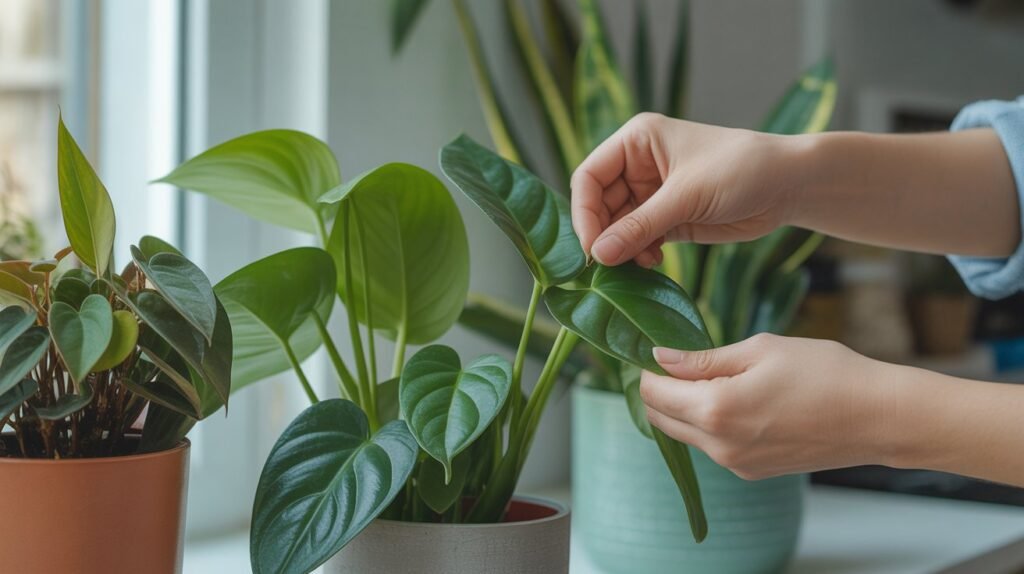
Including search-friendly phrases like indoor plant pest control, houseplant disease prevention, treating common plant pests, and healthy plant maintenance supports your blog’s SEO while offering actionable advice. Monitoring for problems regularly ensures your indoor garden remains lush, healthy, and beautiful.
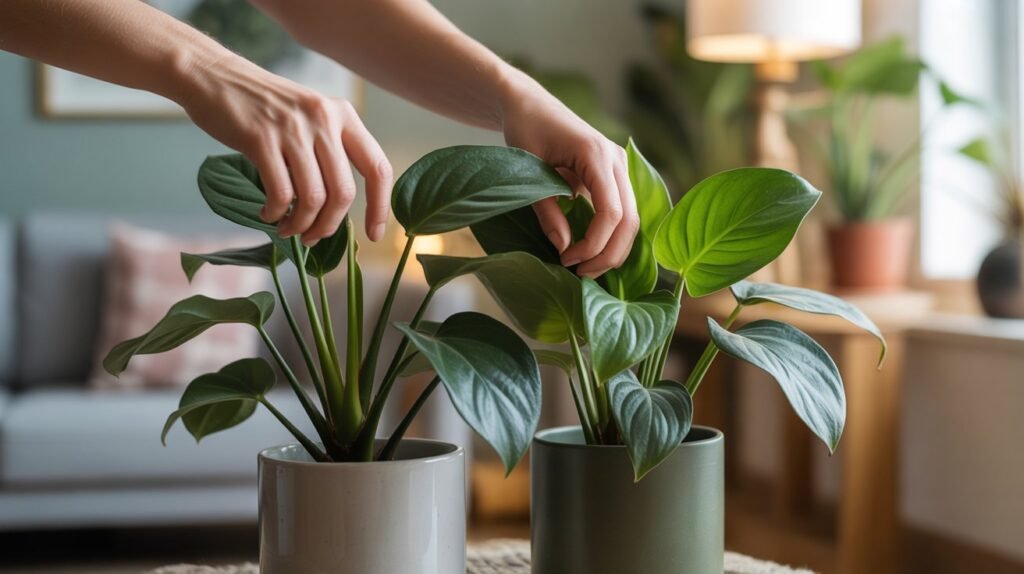
How Pest and Disease Monitoring Supports Indoor Gardening Success
Proactive monitoring helps prevent the spread of pests and keeps your plants thriving. By observing changes in leaf color, spotting tiny insects, or checking soil moisture, you can intervene early. A few minutes each week keeps your plants strong, vibrant, and resistant to stress—making your indoor gardening experience smoother and more enjoyable.
Final Thoughts
Caring for houseplants doesn’t have to feel overwhelming or complicated. With the right knowledge and simple habits, anyone can create a thriving indoor garden filled with lush, healthy greenery. These Essential Houseplant Care Tips are designed to guide beginners step-by-step, helping you understand the core needs of your plants—from lighting and soil to watering, pruning, and repotting. When you focus on these fundamentals, your plants reward you with stronger growth, brighter leaves, and long-lasting beauty.
Every small effort you make—whether cleaning leaves, checking for pests, or adjusting humidity—helps your plants grow happier and healthier over time. Indoor gardening is a journey, and each plant teaches you something new. With patience, consistency, and the right care techniques, your home can transform into a calming, vibrant space full of life.As you continue exploring the world of indoor plants, remember that every gardener starts somewhere. Keep learning, stay curious, and enjoy the process. Your indoor jungle is just beginning